

Audio By Carbonatix
Ghana recorded a total of 3,745,398 confirmed malaria infections from January to September 2022 out of 7,749,627 tests conducted, data from the National Malaria Elimination Programme (NMEP) has shown.
The figure shows a decrease in malaria infection as compared to 4,133,020 malaria cases recorded in the same period in 2021.
The country has also seen a reduction in malaria deaths from 196 in 2021 to 120 in 2022.
Dr Keziah Malm, Programme Manager of the National Malaria Elimination Programme (NMEP), told the Ghana News Agency (GNA) that more people were testing for malaria before treatment with testing rate at 97.6 per cent presently.
She said the decline in malaria infections could be attributed to the use of effective malaria prevention interventions such as the use of Insecticide Treated Nets (ITN), Indoor Residual Spraying (IRS), larva source management, Seasonal Malaria Chemoprevention (SMC), malaria vaccine pilot and case management in the country.
Dr Malm said the fight against malaria, which started from the control phase had moved to the elimination stage.
“Ghana has made strides in the fight against malaria, this year we hope to see a significant decrease in the number of suspected cases recorded at the Outpatient Department in health facilities.”
She stated that the Global Fund had provided a sum of $47 million to fund activities of the programme this year in addition to funding from the government and other organisations.
The Programme Manager stated that this year, the NMEP would embark on ITNs distribution through antenatal care and child welfare in schools, especially in rural areas.
She said the NMEP target for 2025 was to ensure that all get tested for malaria and were pushing to ensure that persons who had not tested for Malaria would not have access to malaria treatment using the National Health Insurance card.
Dr Malm assured Ghanaians that the change of name from National Malaria Control Programme to National Malaria Elimination Programme would be backed by concrete actions and activities to help push the vision of eliminating malaria in Ghana.
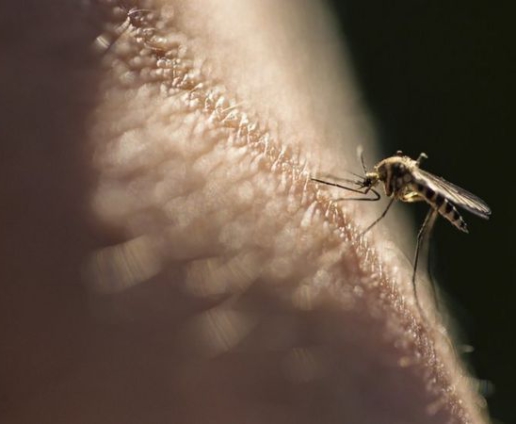
Malaria is a life-threatening disease caused by parasites that are transmitted to people through the bites of infected female Anopheles mosquitoes.
The severity of malaria varies based on the species of plasmodium.
The symptoms are chills, fever and sweating, usually occurring a few weeks after being bitten.
Latest Stories
-
Apples versus Pears: Which fruit is better for blood sugar?
29 seconds -
‘Ghana believes in you’ – Sports Minister sends goodwill message to Black Princesses ahead of World Cup
2 minutes -
Improper EV home charging can overload circuits and cause fires – Ing. Ato Roberts
8 minutes -
Why dieting alone may not be enough for weight loss – experts explain obesity complexities
17 minutes -
‘Layer upon layer of miracles’: How Nepal flood survivors were rescued from tunnel
20 minutes -
Roads Minister praises Astee and P&W Ghanem for quality work on Upper West Big Push road projects
22 minutes -
Chief Justice spoke the truth at the wrong place -Dr Jabir Mohammed
25 minutes -
51-year-old drug ‘pusher’ in Accra and his 42-year-old wife arrested by NACOC
27 minutes -
NADMO intensifies monitoring in Daboya as Bagre Dam spillage raises flood fears
28 minutes -
8 Foods that can help you sleep better at night, according to nutrition experts
31 minutes -
JoyNews Republic Bank Habitat Fair clinic set for September 11–13 at Marina Mall
32 minutes -
Parents troop to Joy FM Back-to-School Fair for school deals and discounts
34 minutes -
Government brings home remains of Ghanaian killed in alleged South Africa mob attack
36 minutes -
41 more Ghanaians return home from South Africa after xenophobic attacks
39 minutes -
GH¢70,000 gift allegation gives Parliament chance to clean up vetting process – Dr Dramani
40 minutes