

Audio By Carbonatix
The Head of Africa for petroleum Giant PUMA Energy, Fadi Mitri has argued that to ensure the constant supply of petroleum products on the Ghanaian market, consumers must be made to pay the fair market prices.
The Government of Ghana in the wake of liquidity challenges and the depleting foreign reserves of the country is resorting to policy measures such as the gold for oil deal to enhance Ghana’s energy security.
However, given that such measures are woefully inadequate to deal with all of Ghana’s petroleum needs, there are fears of a possible disruption in fuel supply if measures are not taken to provide forex to bulk oil distributors to import more petroleum products.
Speaking on the sidelines of his country visit to Ghana, the Head of Africa for PUMA Energy, Fadi Mitri told JoyNews that “we've been in Ghana for over 15 years and we are certainly one of the largest energy investors in the country.
"We've invested over the last ten years $450 Million. That puts us in a situation where in the current environment we are in, we have our hand on the pulse of the economy and on the crisis that is actually affecting Ghana today. We import a lot of gas oil and gasoline with our bulk distribution company. We are exposed to the liquidity, the dollar liquidity issues that we have that the country is facing”.
Touching on how the problem could be addressed, Fadi Matri indicated that “the answer to that from PUMA's perspective is that what can ensure that supplies reliably arrive in Ghana is that Ghanaians are always able to pay the fair market price for the supplies.
"Now, Ghana is a deregulated market, which means that the price at the pump can move. But the price is in cedi. So if the foreign exchange is not allowed to move based on the market, then there will be problems.” he said.
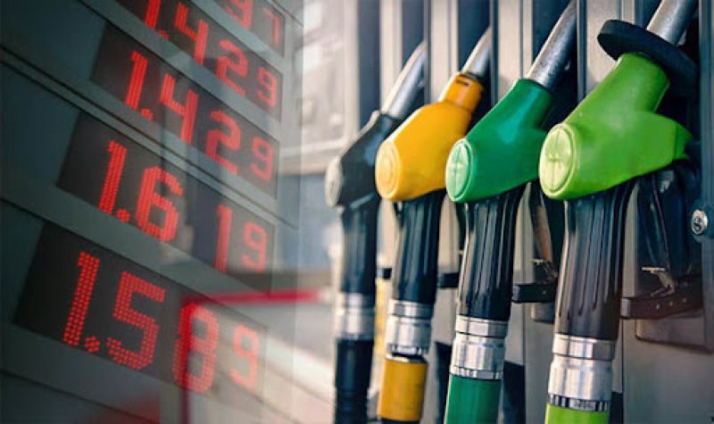
Already, the Institute for Energy Security (IES) is predicting between seven per cent and 13 per cent jump in the prices of petrol, diesel and Liquefied Petroleum Gas (LPG), from February 1, 2023, for the next two weeks.
This means petrol will sell at about GH¢15 per litre, whilst diesel will go for over GH¢17 per litre. According to the IES, the rise in domestic fuel prices is due to the sharp depreciation of the cedi during the last two weeks and the rising international fuel prices as observed on the global S&P Platts platform.
Latest Stories
-
BoG to introduce new Heritage Series banknotes in November 2026
19 seconds -
Mahama warns against weaponising identity to fuel exclusion and conflict
2 minutes -
Mahama calls for global equality, says “no race is superior, no nation is inferior”
2 minutes -
24-Hour Economy will transform Ghana into industrial hub – Mahama
3 minutes -
Mahama highlights MahamaCare, Free Primary Health Care at UN
5 minutes -
Mahama says Big Push will bridge Ghana’s rural-urban infrastructure gap
6 minutes -
MPC maintains policy rate at 14% for third consecutive meeting amid inflation risks
10 minutes -
Freedom of any nation is insecure unless linked to freedom of all humanity – Mahama
11 minutes -
Mahama backs stronger global action to lift Cuba embargo
12 minutes -
Full Text: President Mahama’s speech at 81st Session of the United Nations General Assembly
14 minutes -
Climate finance must come as grants, not loans – Mahama
15 minutes -
Mahama demands climate finance as he recounts Ghana’s deadly June floods
17 minutes -
Mahama outlines Ghana’s priorities ahead of 2027 AU chairmanship
18 minutes -
Mahama urges world leaders to build bridges instead of walls
21 minutes -
Mahama highlights Ghana’s economic recovery, healthcare expansion at UN
21 minutes