

Audio By Carbonatix
Some manufacturing firms in Ghana have started downsizing their businesses, whiles others are also laying off some workers due to the high cost of doing business in Ghana.
This has been compounded by the rising utility tariffs and high tax levels for most firms operating in the country.
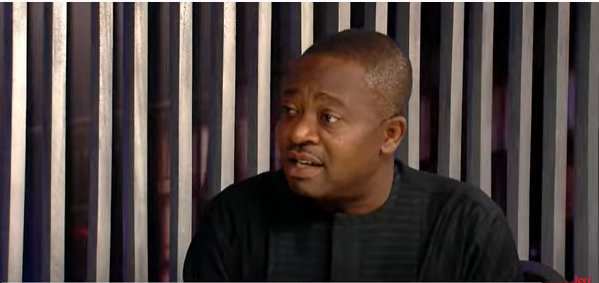
The Chief Executive Officer of the Association of Ghana Industries (AGI) Seth Twum Akwaboah disclosed this on PM Express Business Edition on the Joy News Channel on February 9, 2022 with host, George Wiafe.
He is of the view that it is time for government to review its tax and utility tariff regime.
“There is a lot of pressure on some of the firms by their foreign shareholders to even shutdown their operations”, said.
Mr. Akwaboah rejected suggestions that companies facing challenges have not been innovative to remain competitive.
He cited for example that it is less expensive to operate similar businesses in other countries in West Africa.
Capital and credit extension concerns for industry
Mr. Akwaboah expressed worry that the current challenges with access to credit could worsen in the year.
He warned that the Domestic Debt Exchange Programme could impact capital and liquidity of the commercial banks in the country.
Mr. Akwaboah was however hopeful that the Financial Stability Fund that the Bank of Ghana plans to established could cushion financial institutions.
“It may help address the concerns and fears of the industry about the challenge with access to credit and issue about the cost of credit in the country”.
He added that manufacturers could also be impacted if special attention is not directed at players in that area.
Government’s Intervention
Making some recommendations, Mr. Akwaboah appealed to government to do more to protect local industries.
“We can look at the regulatory regime for industries and how the required policies can be instituted to aid their growth in the country”, he suggested.
Mr. Akwaboh stated that it is not right for industries to pay more for utility tariffs, when in some countries tariffs are subsidized for industries.
“We just cannot leave our industries alone in these challenging times, they must be given the needed support”.
Latest Stories
-
WAFU B WCLQ: Ampem Darkoa Ladies thrash Dynamique FC to reach final
12 minutes -
Chief Justice should avoid partisan political arena – Prof Kwaku Asare
17 minutes -
GMTF Administrator hails Mintah Akandoh’s support as Fund marks first year
25 minutes -
GPHA honours 410 staff for outstanding service
38 minutes -
BoG slashes September FX support to $500m as GoldBod boosts dollar supply
42 minutes -
GNFS rolls out automated fire compliance system
44 minutes -
SOE profit at GH¢19.8bn: I call it a miracle, but it’s not operational efficiency – Dr Atuahene
46 minutes -
SHS violence: Government must review discipline policy – IFEST
54 minutes -
Nana Akomea leads NPP First Vice Chairman race in new poll
59 minutes -
Ato Forson begins groundwork for Mahama’s $10bn New Economy agenda
1 hour -
SHS violence: Peter Anti demands intelligence-led security in schools
1 hour -
‘Presidents can’t have unfettered powers’ – Sophia Akuffo
1 hour -
Kwame Agbodza cuts Wenchi-Bole road contracts by 25km over slow work
1 hour -
Ghana’s borrowing costs plunge as inflation eases sharply – World Bank
1 hour -
Unnecessary appeals delaying justice – Sophia Akuffo calls for tighter Supreme Court limits
1 hour