

Audio By Carbonatix
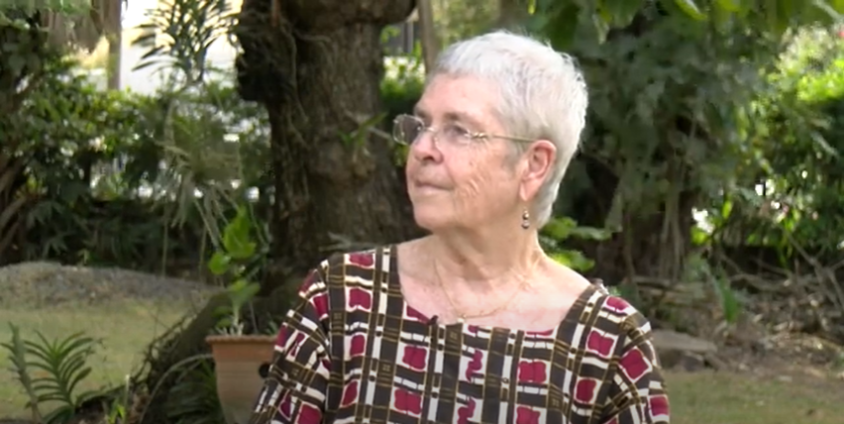
Former Head of the Child Health Unit at the University of Ghana Medical School and Korle Bu Teaching Hospital, Professor Janet Neequaye, says the worst period in her time as a healthcare provider in Ghana was during the 1983 drought.
Ghana experienced its worst drought in modern history from 1981 to 1983. The drought peaked in 1983 and was compounded by substantial bush fires and the expulsion of large number of Ghanaians from Nigeria in the same year. Food production dropped dramatically in 1983 leading to widespread food shortages.
According to Prof. Neequaye, for hospitals and other healthcare centres, essential drugs for treatment were in dire shortage thus putting the lives of patients at risk of death.
“Well, the worst period was in 1983 round about there, 1984, after the military coups when everything was very very bad in Ghana. There were severe shortages of medical equipment, drugs, food, even kenkey you couldn’t buy,” she said.
The situation was further compounded by long power outages due to the failure of the Akosombo Dam to produce enough electricity to power the nation as a result of the low water levels from the drought.
“At the same time there was shortage of water, in this area you couldn’t get water, shortages of petrol, and then because of lack of rainfall the Akosombo Dam, the lake, run out of water so they couldn’t power the electricity generators properly. So we had prolonged electricity blackouts. Sometimes we were on for 12 hours and off for 24 hours, it was even worse than dumsor.
“So at times, in those days people didn’t have generators, so at times I had to send the mothers from Korle Bu back home to bring in kerosene lamps so we could work. It was very bad. And because there was a shortage of medicines, it was very hard to actually treat patients.
“Sometimes they had to go to town to buy penicillin or even anti-malarials. And around that time the government brought in cash and carry. If you didn’t have any money, it was difficult to buy anything in the hospital,” she said.
Prof. Neequaye said some reprieve came when the British High Commission flew in essential drugs from the UK to Ghana.
The drugs were meant to support the influx of returning Ghanaian immigrants from Nigeria following their expulsion. It was thought then that they would be housed in a refugee camp, however, upon arrival, most of them moved back to their villages.
"So we had a lot of drugs and so on which kept us running for about a year," she said.
Latest Stories
-
Algeria claim first-ever podium finish after penalty shootout win over hosts Morocco
48 minutes -
NPP struggled even in traditional strongholds in 2024 – Annoh-Dompreh
56 minutes -
NPP must elect strong parliamentary candidates to reclaim Greater Accra seats – Patrick Boamah
1 hour -
Abdul-Aziz Abdu-Rahaman elected NPP Upper West Regional Chairman
1 hour -
Iddrisu Sulemana edges Clifford Braimah to become NPP Savannah Regional Chairman
1 hour -
‘Arrogance of power’ is driving voters back to NPP in Ashanti Region – Paul Adom-Otchere
1 hour -
They demolish buildings and tell us they’re building 24-hour markets – Paul Adom-Otchere
2 hours -
NPP’s 2024 Bolgatanga Central Parliamentary Candidate elected Upper East Regional Chairman
2 hours -
Incumbent Northern NPP Chair wins as new faces break through in party executive elections
2 hours -
Former Health Minister Okoe Boye elected NPP Greater Accra Regional Chair
2 hours -
Joseph Kobinah Esibu elected NPP Central Regional Chairman
2 hours -
Fernandez booed by Chelsea fans as Alonso offers glimpse of blueprint
2 hours -
PSG sign World Cup winner Torres from Barcelona
3 hours -
Odeneho Kwaku Appiah beats former EPA boss Kokofu, to emerge NPP Ashanti chair
3 hours -
TDC defends statutory mandate, says its authority to develop Tema predates TMA
3 hours