

Audio By Carbonatix
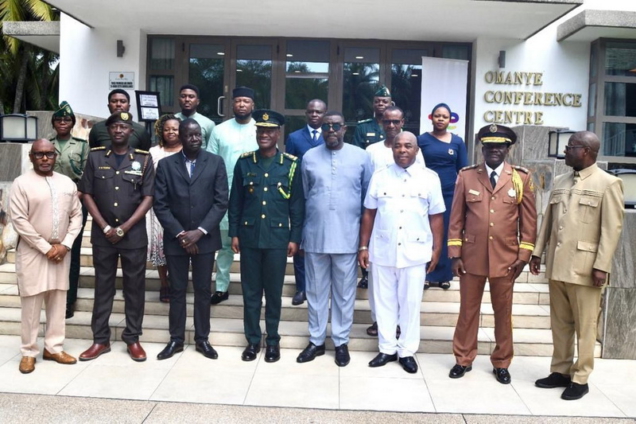
The realisation of ECOVISA, a single visa system akin to the Schengen model, took a significant step forward as ECOWAS experts and heads of immigration convened in Accra for the Seventh Heads of Immigration Meeting.
With the goal of promoting foreign investments, tourism, and facilitating access to abundant opportunities in the ECOWAS region, the meeting focused on the implementation of ECOVISA for migrants from third countries.
Organised by the Directorate of Free Movement of Persons and Migration of the ECOWAS Commission, the meeting brought together representatives from national immigration services of ECOWAS member states. Their collective aim was to foster cooperation and coordination on border and migration management, while also addressing challenges related to mobility within the region. The Heads of Immigration Meeting serves as a crucial platform for engaging in fruitful discussions and working towards a unified approach.
Key discussions at the Accra meeting revolved around conducting a comprehensive comparative analysis of visa regimes in other continents. This analysis would ensure that the implementation of ECOVISA adheres to global best practices. Moreover, the heads of immigration recognized the need for ongoing dialogue to discuss modalities and assess the progress of ECOVISA implementation at various stages.
The recommendations and decisions made during the meeting were informed by the report presented by ECOVISA experts, who had convened in Accra on May 22 and 23, 2023. These experts delved into crucial aspects such as visa design, visa regime, visa costs, and other technical considerations essential for the seamless implementation of ECOVISA.
It is worth noting that the ECOWAS community has long been committed to adopting a harmonized approach to the Protocol of Free Movement of Persons. Member states prioritize the creation of a secure environment for migrants and strive to eliminate barriers that hinder mobility, particularly for community citizens. Achieving these objectives necessitates the collaborative efforts of stakeholders and key actors involved in migration management within their respective countries.
Latest Stories
-
Hawa Koomson pledges experienced and mature leadership of NPP women’s wing
46 minutes -
Young woman found dead at Kasoa Peace Town
1 hour -
Playback: The Law examined lawful arrest in Ghana
2 hours -
Mahama urges African governments to treat healthcare as an investment, not budget cost
2 hours -
Bawumia congratulates John Boadu and new NPP executives, pledges support ahead of 2028
2 hours -
‘No talent should be left out’ – Bawumia pledges inclusive NPP campaign for 2028
2 hours -
Prof. Mike Oquaye recounts how he blocked the Special Prosecutor’s attempt to arrest Bawku Central MP
3 hours -
Make health sovereignty a priority for Africa – Mahama
3 hours -
Dorimon Naa, Wa West DCE lead massive clean-up exercise; threaten sanctions against recalcitrant residents
3 hours -
Photos from Adom FM Y2K Jam
3 hours -
Praye Tiatia steals the show at Adom FM Y2K Jam [Watch]
3 hours -
Boakye Agyarko congratulates John Boadu, pledges support for NPP leadership
4 hours -
Antwi HiMight thrills fans with Antwi ne Antwi hits at Adom FM’s Y2K Jam [Video]
4 hours -
Amb. Edward Boateng congratulates Boadu, Kodua on election wins
4 hours -
John Boadu pledges to rebuild NPP from grassroots and restore ‘winning machinery’
4 hours