

Audio By Carbonatix
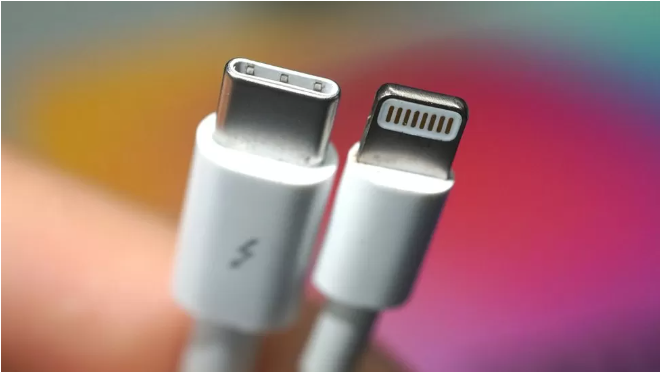
Apple's latest iPhone will almost certainly feature a USB-C charge point when it is unveiled on 12 September.
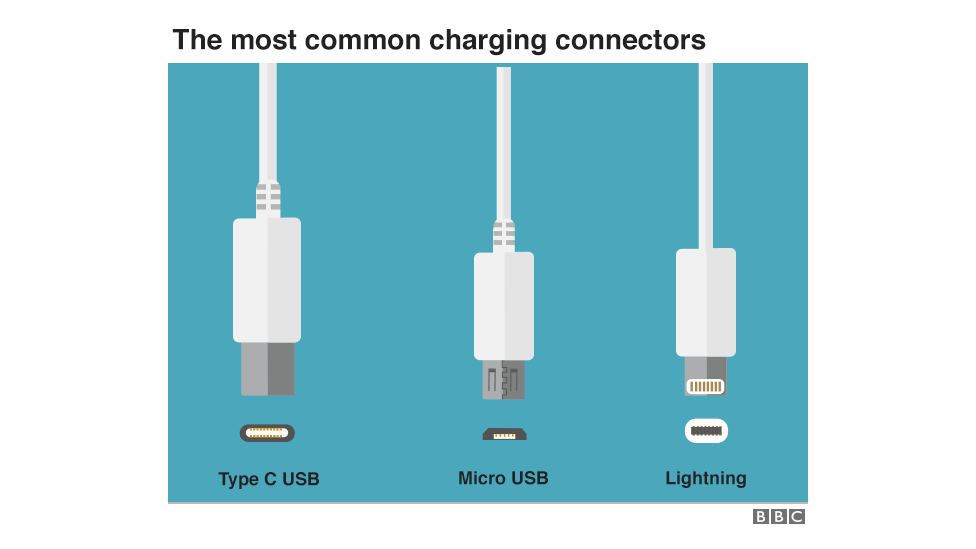
The firm's phones currently use its proprietary Lightning adaptor, unlike rivals, including Samsung.
A European Union law requires phone manufacturers to adopt a common charging connection by December 2024 to save consumers money and cut waste.
Most new Apple products such as the latest iPads already use USB-C, but the firm had argued against the EU rule.
When it was introduced in September 2021, an Apple representative told BBC News: "Strict regulation mandating just one type of connector stifles innovation rather than encouraging it, which in turn will harm consumers in Europe and around the world."
Lightning to USB-C adaptors are already available from other electronics brands including Amazon, and all iPhones since the iPhone 8 which launched in 2017 have supported wireless charging.
As the current iPhone 14 now looks to be the last Apple device to exclusively use it, this could mark the beginning of the end of the Lightning cable - which retails on the Apple store for £19.
It's unclear whether this will be a global change to the product, although the tech giant is less likely to make a different version of the handset for the European market alone.
The changes are anticipated in the new iPhone 15 and iPhone 15 Pro devices which are set to be unveiled next week at the firm's annual autumn event.
According to a report by Bloomberg news, benefits of the switch for users will include customers being able to use a single charger for iPads, Macs and iPhones, as well as faster download speeds.
The EU common-charger rule covers a range of "small and medium-sized portable electronics", according to the EU, including:
- mobile phones
- tablets
- e-readers
- mice and keyboards
- GPS (global positioning system) devices
- headphones, headsets and earphones
- digital cameras
- handheld videogame consoles
- portable speakers.
Any of these charged using a wired cable will have to have a USB Type-C port, regardless of who makes the devices.
Laptops will also have to abide by the rules but manufacturers have longer to make the changes.
According to the EU, it will save consumers "up to €250m [£213m] a year on unnecessary charger purchases" and cut 11,000 tonnes of waste per year.
Latest Stories
-
AG to introduce Legal Practitioners Standard Board Bill in Parliament
3 minutes -
AG proposes Bar Welfare Fund to provide social protection for lawyers
7 minutes -
No conditions attached: Rethinking Ghana’s duty of care for citizens in crisis abroad
8 minutes -
GES opens applications for non-teaching staff promotion; here’s who qualifies
22 minutes -
What Is Wrong With Us: We fly halfway around the world to admire discipline, then fly home to tolerate chaos
25 minutes -
Discipline must not become abuse in raising children – ARK Foundation
32 minutes -
Photos: Culture, technology and cuisine take centre stage at Russia’s youth festival
33 minutes -
‘Who approved Laboma structures?’ – Victoria Bright calls for review of permitting system
39 minutes -
“The Darkest Chapter”: Latif Abubakar’s 21st production brings President Mahama’s UN reckoning to the National Theatre stage
43 minutes -
Teacher, three others investigated over alleged kidnapping of suspected MoMo fraudster in Kumasi
43 minutes -
Afenyo-Markin mourns Bernice Offei, describes her songs as ‘sermons set to music’
44 minutes -
Don’t just learn AI tools, use them to improve productivity – ALX Enterprise
51 minutes -
Free rabies vaccination campaign targets 25,000 dogs and cats nationwide
57 minutes -
Ghana needs a system to track child protection funding to where risks are highest – ARK Foundation
59 minutes -
AI may not replace humans, but workers who fail to adapt could lose jobs – ALX Enterprise
1 hour