

Audio By Carbonatix
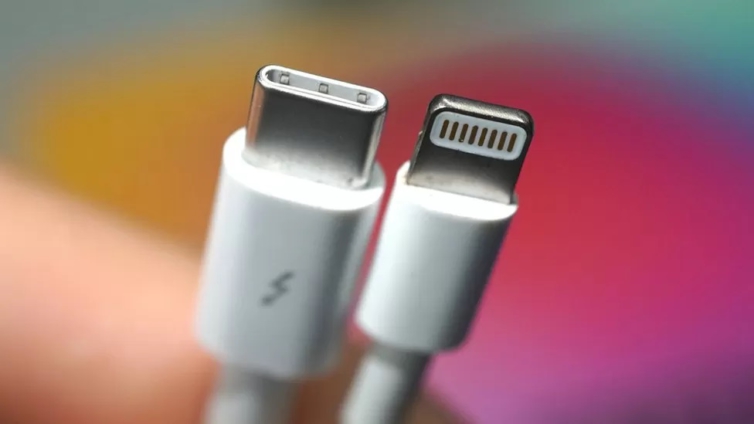
Apple's latest iPhone will almost certainly feature a USB-C charge point when it is unveiled on 12 September.
The firm's phones currently use its proprietary Lightning adaptor, unlike rivals, including Samsung.
A European Union law requires phone manufacturers to adopt a common charging connection by December 2024 to save consumers money and cut waste.
Most new Apple products such as the latest iPads already use USB-C, but the firm had argued against the EU rule.
When it was introduced in September 2021, an Apple representative told BBC News: "Strict regulation mandating just one type of connector stifles innovation rather than encouraging it, which in turn will harm consumers in Europe and around the world."
Lightning to USB-C adaptors are already available from other electronics brands including Amazon, and all iPhones since the iPhone 8 which launched in 2017 have supported wireless charging.
As the current iPhone 14 now looks to be the last Apple device to exclusively use it, this could mark the beginning of the end of the Lightning cable - which retails on the Apple store for £19.
It's unclear whether this will be a global change to the product, although the tech giant is less likely to make a different version of the handset for the European market alone.

The changes are anticipated in the new iPhone 15 and iPhone 15 Pro devices which are set to be unveiled next week at the firm's annual autumn event.
According to a report by Bloomberg news, benefits of the switch for users will include customers being able to use a single charger for iPads, Macs and iPhones, as well as faster download speeds.
The EU common-charger rule covers a range of "small and medium-sized portable electronics", according to the EU, including:
- mobile phones
- tablets
- e-readers
- mice and keyboards
- GPS (global positioning system) devices
- headphones, headsets and earphones
- digital cameras
- handheld videogame consoles
- portable speakers.
Any of these charged using a wired cable will have to have a USB Type-C port, regardless of who makes the devices.
Laptops will also have to abide by the rules but manufacturers have longer to make the changes.
According to the EU, it will save consumers "up to €250m [£213m] a year on unnecessary charger purchases" and cut 11,000 tonnes of waste per year.
Latest Stories
-
Foreign capital no passport to Ghana’s informal retail market – GIPA CEO
8 minutes -
E&P model should be seen as a blueprint for building local mining giants – GIPA Boss
15 minutes -
Govt’s decision to reduce nurse training long overdue – GRNMA
17 minutes -
Ghana needs emergency health fund to respond swiftly to outbreaks – SEND Ghana
24 minutes -
Gov’t must prioritise local vaccine manufacturing for future outbreaks – SEND Ghana
25 minutes -
Salomey Awiti Baffoe reunites with family and colleagues after release
30 minutes -
Fumigation must begin immediately to contain suspected yellow fever – SEND Ghana
32 minutes -
Yellow fever response too slow; govt must cut bureaucracy – SEND Ghana
34 minutes -
National Security Implications of the Security and Intelligence Agencies Act, 2026 (Act 1168) of Ghana
42 minutes -
NACOC, INL deepen cooperation to combat drug trafficking and organised crime
1 hour -
GEPA CEO calls for investment to transform Ghana’s economic opportunities
1 hour -
Photos: Antoine Semenyo says ‘I do’ to longtime partner Jordeen Buckley
2 hours -
Gender Minister visits Nana Akua Addo, assures family of support
2 hours -
You need to fake it sometimes to make it fun – Stephanie Benson tells couples
2 hours -
Mahama Cares says political affiliation will not determine access to medical support
2 hours