

Audio By Carbonatix
There are doubts about Ghana’s ability to attain its 10% renewable energy target in the national energy supply mix by the end of 2030.
Ghana’s Renewable Energy Master Plan anticipates offsetting carbon emissions through the adoption of cleaner energy sources like solar and biofuels.
But some clean energy advocates want expedited actions and investments for sustainable economic growth, improved social life and reduced effects of climate change.
In recent times, Ghana has been plunged into unplanned power outages, impacting negatively on households and businesses.
The erratic supply of power has necessitated calls for increased investment in alternative energy sources like renewable energy as the country’s sole dependence on hydro-electric power and fossil fuel are insufficient and detrimental.
President of the Ashanti chapter of the Certified Electricians, Ing Amponsah Ababio stressed the harnessing of solar energy to complement the energy mix.

He believes not only would it help resolve power shortages but also help decarbonize the atmosphere.
“We are thinking that the primary source of energy God gave us is oil but we are getting to see that it is in the sun. It’s for us to harness it appropriately to use it. If we can go to the sun and depend on it solely, it can help us. There’s no way it will get finished,” he stressed.
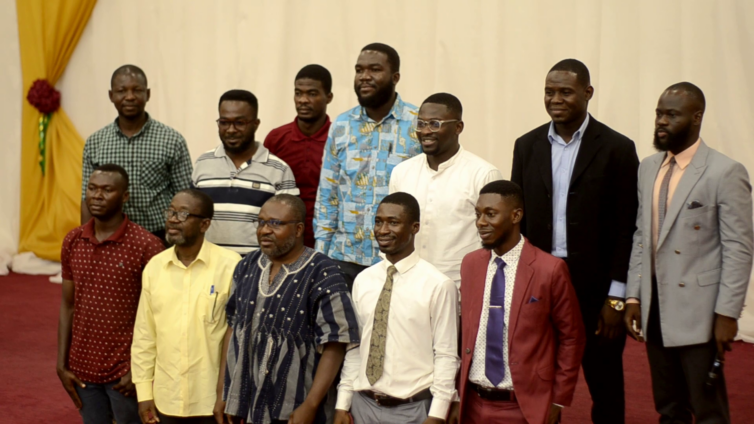
He spoke during a workshop on Energy Citizenship at the Akenten Appiah Menkah University of Skills Training and Entrepreneurial Development.
The programme is part of the University’s effort to create awareness on the importance of climate change and transitioning to low-carbon energy sources through inclusive energy citizenship.
With the country transitioning its energy supply to include cleaner sources, it has become imperative to initiate conversations on conserving energy.
A study conducted at Pungu, a farming community in the Upper East region with strategic location of a VRA solar plant, revealed residents were unaware of the essence of the national energy transition plan.
Lead researcher, Abdul Latif says the low awareness creation about energy in host community is not appropriate.
He wants the government to engage indigenous people to safeguard the environment and also conserve energy.
“I realized the awareness was very low. When such happens about any energy project, people will not care to engage in anything of the sort,” he said.
Senior Lecturer at the Electrical and Electronics Department of the University, Ing Dr. Albert Awopone, says the country is not pushing in enough to curb power losses.
“50% of our consumption goes to domestic consumers. Studies show that we can reduce between 20 to 60% of our energy losses by simply employing energy efficient and energy conservation practices. These techniques do not involve any investments,” he advised.
Energy Citizens for Inclusive Decarbonization (ENCLUDE) project is led by the Technical University of Netherlands (TU DELFT), The University of Energy and Natural Resources, Sunyani (UENR), and The Akenten Appiah-Menka University of Skills Training and Entrepreneurial Development (AAMUSTED).
Latest Stories
-
Unite NPP’s various factions, address youth and women’s concerns – Mike Oquaye
7 minutes -
Make loyalty to NPP a permanent culture, not an election-season tactic – Joseph Cudjoe
21 minutes -
NPP delegates want reform without destroying party’s reputation – Joseph Cudjoe
23 minutes -
Salomey Awiti Baffoe granted GH¢100,000 bail over alleged false news publication
27 minutes -
NPP is for all social classes, not just the middle class – Mike Oquaye
32 minutes -
Freezy Mɑcbones wins WBO Africɑ Light Heɑvyweight title in Lɑgos, Nigeria
35 minutes -
John Boadu is ‘an exceptionally gifted political figure’ – Prof Mike Oquaye
51 minutes -
NDC must study NPP congress closely for strategic lessons – Mustapha Gbande
58 minutes -
NDC has built strong structures to face any electoral challenge – Mustapha Gbande
1 hour -
John Boadu can appeal across Ghana’s social groups – Prof Mike Oquaye
1 hour -
‘Electing Kojo Bamba is backward politics’ – Mustapha Gbande
1 hour -
Government must order payment of promoted teachers’ salaries – GNAT
2 hours -
Meet Sethina Edem Sunu, the healthcare professional eyeing the NDC UK & Ireland deputy organiser role
2 hours -
The myth of ‘sophisticated customer experience’ in the digital age
2 hours -
What happened to lands reserved for sanitary sites? -WasteCare CEO calls for audit
2 hours