

Audio By Carbonatix
The Governor of the Bank of Ghana, Dr. Ernest Addison, is calling for meaningful collaboration between the International Monetary Fund and the World Bank to better align their support to Lower Income Developing Countries (LICs).
In this regard, he is stressing the need for coordination of the IMF’s LIC Facilities Review with the World Bank’s IDA21 replenishment efforts to support LICs holistically.
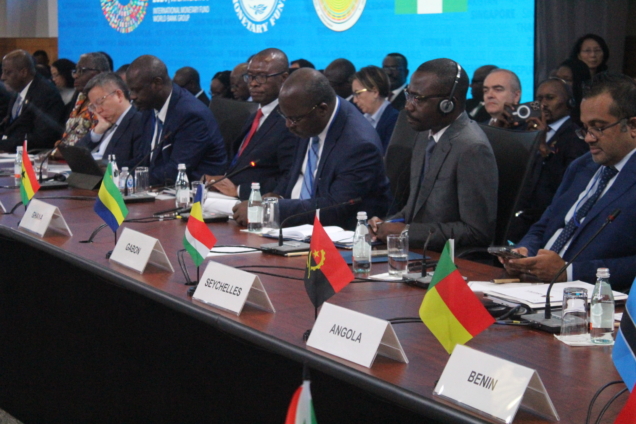
Speaking at the 2024 African Consultative Group Meeting with the Managing Director of the IMF, Kritalina Georgieva, the Governor also said the IMF’s continued pragmatism and agility of its policies to changing global conditions is paramount to better serve its vulnerable members.
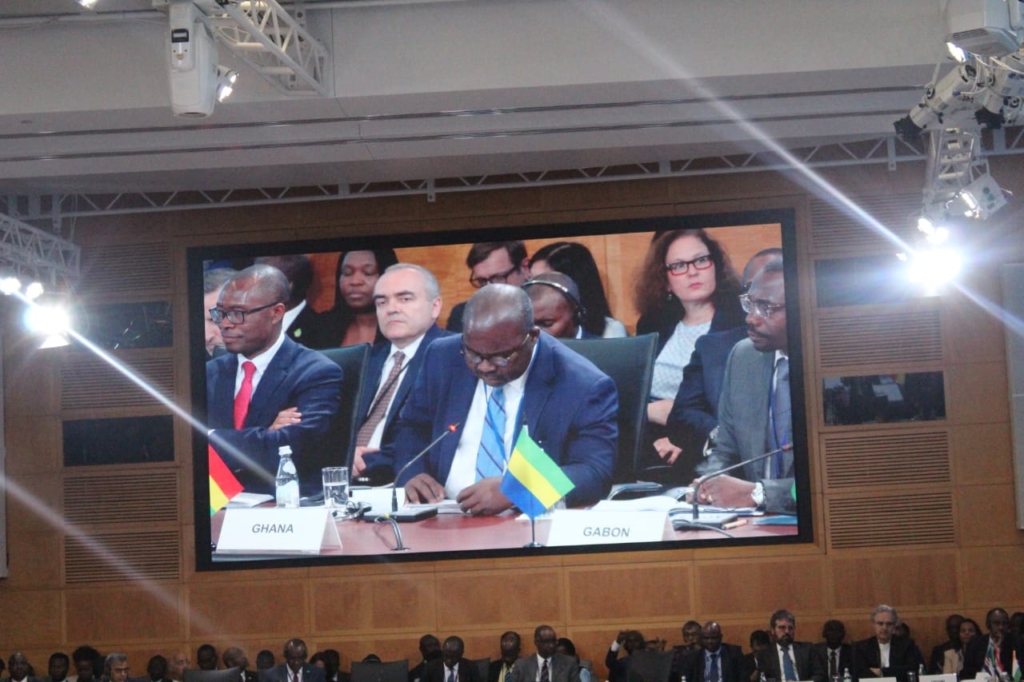
“We underline the necessity for the upcoming comprehensive review of LICs facilities to maintain the PRGT’s [Poverty Reduction and Growth Trust] concessionality and promote higher access to reverse erosion amplified by the global inflationary episode. We also underscore the criticality of replenishing the CCRT {Catastrophe Containment and Relief Trust] resources envelope to offer grant support to our most vulnerable members in this shock-prone world”.
“Considering the expiry of the Food Shock Window amidst a food crisis triggered by the El Nino phenomenon, Fund emergency financing alongside augmentations in programme countries would be important to close climate-induced financing gaps. In this regard, we call for intensified fundraising efforts under the second phase of the resource mobilization initiatives”, he added.

Third, the Governor stressed the need for the IMF to keep all financing options on the table, including the use of the Fund’s internal resources.
“In view of the recent multiple shocks and a crisis like no other, now is the opportune time for a modest gold sale, particularly when gold prices are still favorable”, he explained.
Finally, the Governor restated the request of LICs for further enhancements to the G20 Common Framework while leveraging the Global Sovereign Debt Roundtable (GSDR) to promote rapid, transparent, and equitable resolution of debt as well as facilitate debt cancellation for the most vulnerable members.
“The review of the Fund’s internal debt policies is welcome, but we stress the need to ensure that the changes are impactful and achieve their intended purpose”, he concluded.
Latest Stories
-
Photos: Inside the thrilling NSMQ 2026 Grand Finale as PRESEC, AUGUSCO and Accra Academy battle for glory
5 minutes -
Achimota, five other SHSs pilot waste segregation, clean-air initiative
5 minutes -
More women attempt suicide, but men die by suicide more often – National Suicide Analysis Report
21 minutes -
Three Ghanaian students launch e-commerce platform, Panta, to support small businesses
29 minutes -
KMA passes by-law requiring Metropolitan Chief Executives to occupy official residence
31 minutes -
Zoomlion rolls out disinfection, disinfestation exercise across Volta Region
41 minutes -
Photos: Mahama swears in three new Supreme Court justices
50 minutes -
$260 e-Visa fee could make Ghana less competitive – GHATOF
56 minutes -
New Supreme Court justices pledge fairness, impartiality and fidelity to Constitution
60 minutes -
Mahama urges Supreme Court to communicate decisions with ‘extreme clarity’
1 hour -
Techiman MCE residence abandoned since 2017; Regional Minister sets December deadline
1 hour -
Eni, Vitol sign MoUs with Ghana for two offshore blocks in Tano Basin
1 hour -
Accra residents urged to report open waste burning
1 hour -
Mahama tasks new Supreme Court justices to make justice more accessible
1 hour -
African health manufacturers meet in Addis Ababa for AHMTEC 2026, focus shifts from building capacity to commercial scale
1 hour