

Audio By Carbonatix
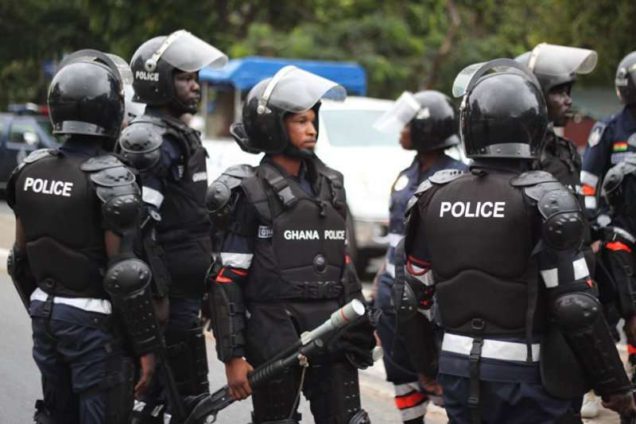
The Member of Parliament for Bole-Bamboi, Yusif Sulemana, says he has advised his constituents to come to him with firsthand information on the killings being recorded in the area.
This according to the MP, is to protect their identity and minimise their direct interactions with the police.
Speaking on the JoyNews AM Show, the MP said the current trend of making informants witnesses in cases makes them reluctant to come forward.
"I have interacted with the people and the fear is that any time you report a case to the police, wherever the case is going, if it is going to court, you are called to be a witness.
"Even if it (the case) is going to Tamale, you have to leave your farm work and all that to go and be a witness. So they are afraid to give information or to report incidents or suspects to the police.
"So I have told them that anybody who has information, 'don’t go to the police'. You come and report the case to me and I will go to the police and report, and if there is anybody to go to court and be a witness, I will now take up that responsibility," he explained.
Since January 2024, more than three men have been killed mysteriously and their remains deposited at different locations in Bole town.
On Wednesday, May 1, 2024, a man aged about 70 years was found dead around Green Valley within the Yelwa Electoral Area in the Bole District of the Savannah Region.
25 days later, a watchman identified as Mumuni Yahaya aged around 50 years old, a night watchman at the Bole Girls Model JHS hostel was found dead on Sunday, May 26, 2024, inside a room at the hostel.
Barely a week later on June 2, 2024, a yet-to-be-identified young man around 30 years old was also found dead at the Bole St. Kizito A primary school.
Just last week, another body of a middle-aged man was found in a school building with his head and manhood chopped off.
The situation has turned Bole, once a busy town, into a ghost town at night.
But touching on this, the MP said he is convinced the perpetrators may be working with some natives.
"I believe that no stranger can walk to Bole at midnight, do this and go back. The person should have some local people assisting him or them," he stressed.
Given this, Mr Sulemana said measures must be put in place to create an environment where people will feel free and comfortable to report cases.
Latest Stories
-
Ghana Psychological Association calls for greater involvement of people with lived experience in mental health care
12 minutes -
Ablakwa says Ghana could evacuate more citizens from South Africa if the situation worsens
40 minutes -
Violence against girls must be tackled through individual responsibility – Gender advocate
44 minutes -
Ghana’s BRICS bid must be guided by national interest – International Affairs Analyst
57 minutes -
Journalists look back on a decade of breast cancer reporting in Ghana
2 hours -
President Mahama ends Resetting Ghana tour of Ahafo Region
3 hours -
African negotiators seek delivery of climate commitments at COP31
3 hours -
BoG develops AI rules for financial sector
4 hours -
‘Big Push’: Government assures contractors of prompt payments
4 hours -
Court fines miner for breaking into gold buying shop
4 hours -
Tarkwa court jails labourer for three years over GH¢123,000 theft
5 hours -
GAEC must retain nuclear scientists for Ghana’s nuclear ambitions – Minister
5 hours -
Man reportedly mistaken for game and shot by hunter dead in forest
5 hours -
19-year-old mason jailed 15 years for defiling seven-year-old pupil
5 hours -
Ghana’s banking sector assets rise 20.47% to GH¢500.2bn – BoG Governor
5 hours