

Audio By Carbonatix
The Ministry of Lands and Natural Resources has begun a nationwide stakeholder engagement on a proposed Legislative Instrument (L.I.) to operationalise Community Resource Management Areas (CREMAs).
The proposed regulations anchored in the country’s existing the Wildlife Resources Management Act, 2023 (Act 1115), provides the statutory framework for the protection, conservation and sustainable utilisation of wildlife resources.
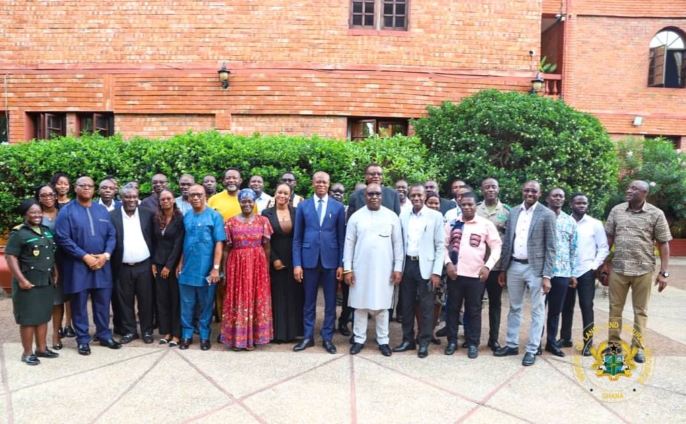
The engagement, led by the Ministry of Lands and Natural Resources in collaboration with the Forestry Commission, seeks to build consensus on a legal framework for the establishment, governance and management of CREMAs across the country.
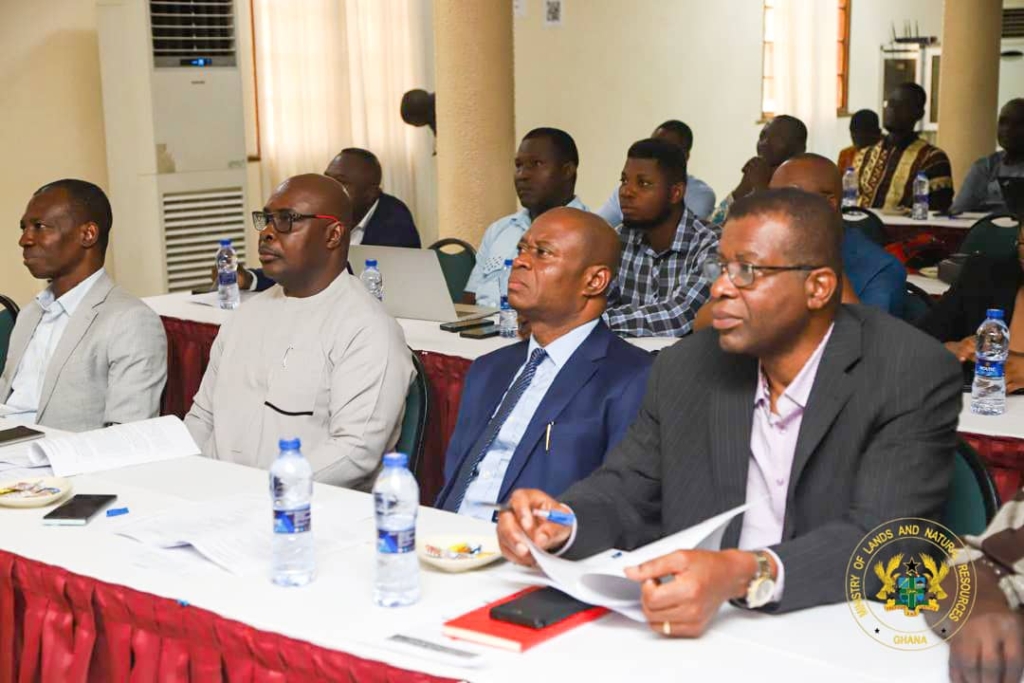
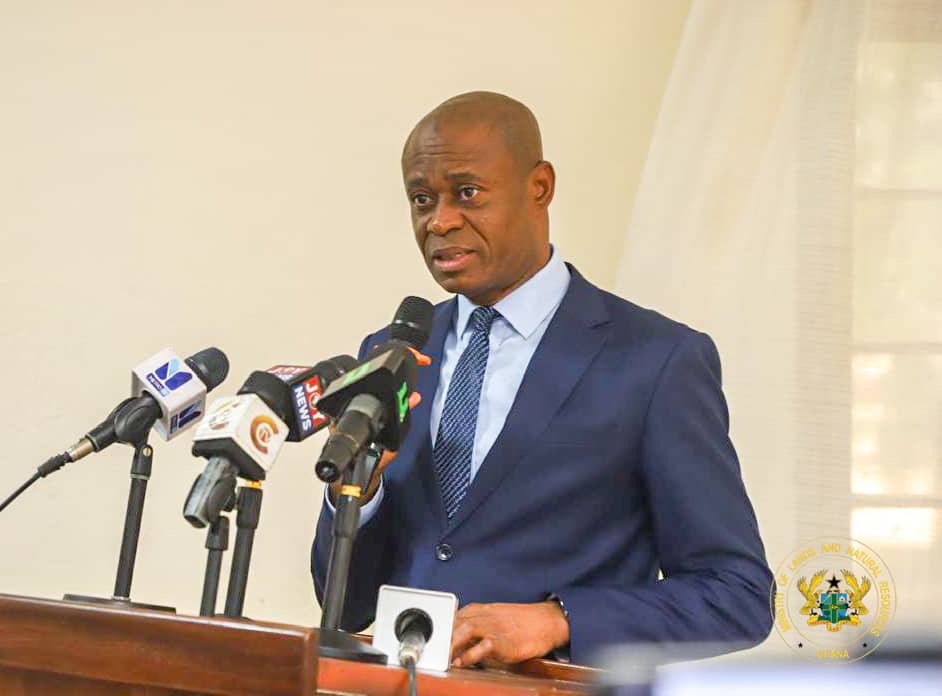
Delivering remarks on behalf of the sector Minister, Honourable Emmanuel Armah-Kofi Buah, the Deputy Minister, Yusif Sulemana, said the draft L.I. is intended to provide legal clarity, structured governance systems and stronger accountability for CREMAs.
“The draft Regulations seek to provide clear procedures for the establishment, governance and recognition of CREMAs, while ensuring transparency and accountability in the management of natural resources,” the Minister said.
Mr. Buah explained that the proposed instrument outlines criteria for the creation of CREMAs, including ecological significance, defined land tenure arrangements and the consent of District Assemblies and traditional authorities.
The Minister bemoaned that beyond illegal mining, illegal hunting continues to erode biodiversity and weaken conservation gains.
“Unregulated hunting is depleting wildlife populations and undermining ecological balance. Protecting our wildlife is not optional; it is a national responsibility,” he stressed.
The Executive Director of the Wildlife Division of the Forestry Commission, Dr. Joseph Boakye ESQ, underscored the challenges confronting community-based conservation, including habitat loss, weak enforcement and competing land uses.
“The challenges before us are complex and evolving. We need your expertise and collective vision to refine this framework and ensure it delivers both conservation and livelihood benefits,” he appealed.
He urged participants to actively contribute to shaping a robust and inclusive regulatory regime that balances conservation with local development.
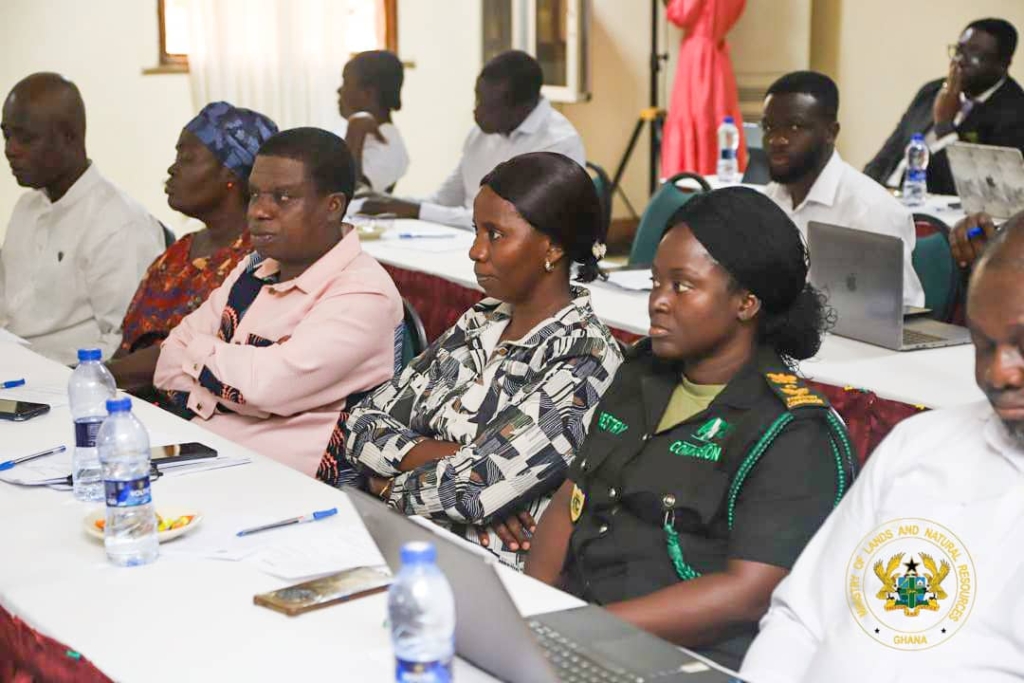
Participants included representatives from Local Government Authorities, Traditional Authorities, community leaders, as well as non-governmental and civil society organisations working in natural resource management and other relevant government institutions.
Latest Stories
-
US seeks changes to rejected $109m health compact with Ghana – Mahama
2 minutes -
Nine dead in mass shooting at Pennsylvania home
20 minutes -
‘Time for Ukraine to get new president,’ says Trump after Zelensky condemns diesel deal
23 minutes -
Hincapie injury adds to Arsenal issues after Guimaraes rescue act
31 minutes -
Henderson scores twice as Chelsea thumb Bournemouth
41 minutes -
Photos: Mentapulse Africa convenes health and labour summit to address talent retention
53 minutes -
Mahama inspects Nkokɔ Nketenkete plant, eyes Bechem as chicken capital
59 minutes -
Ghana not seeking full BRICS membership, applying as Partner Country – Ablakwa
1 hour -
Woman injures three people in third Poland school knife attack in a week
1 hour -
Ghana should join BRICS as partner, not member – NPP Bono East Regional Secretary
1 hour -
Ghana High Commission warns nationals in South Africa over protests in Johannesburg, Durban
1 hour -
Mahama praises Roads Minister for keeping Big Push contractors on their toes
1 hour -
World Cup Visa Scandal: ‘My client has not collected money for visas’ – Ampofo Ankrah’s lawyer
1 hour -
US immigration officials defend ICE agents who shot man in same car as child
1 hour -
Commentator Katie Zacharia picked as new White House press secretary
2 hours