

Audio By Carbonatix
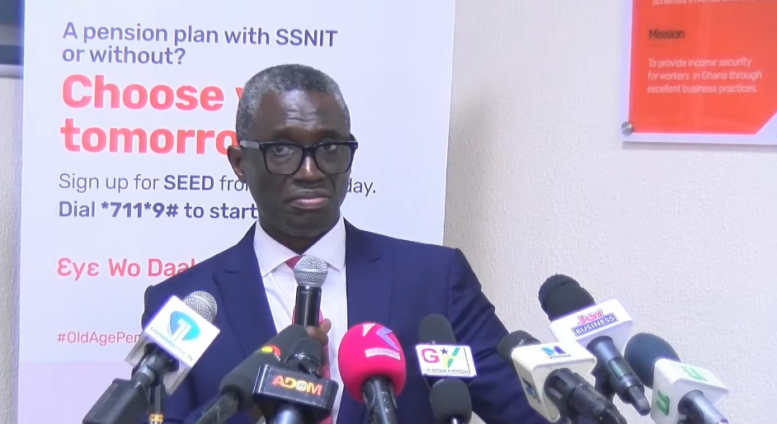
The Director-General of the Social Security and National Insurance Trust (SSNIT), Kofi Bosompem Osafo-Maafo, has acknowledged that the Trust was forced to terminate the intended offloading of its 60% shares in four hotels following the mounting pressure from various stakeholders.
In an interview with Accra-based Citi FM on Monday, July 15, Mr Osafo-Maafo explained that one key aspect of the transaction was extensive engagement with relevant stakeholders.
He stated that after considering various objections to the deal, the management decided to terminate the process.
Additionally, he revealed that the board of SSNIT rejected Rock City Hotel's unfavourable payment terms, which also contributed to the decision to terminate it.
“We listened to the objections from the stakeholders and we decided to terminate the process. If you remember, when we had the press conference, we said we would engage all the stakeholders and we have been doing that since then. The unions have also been vociferous and we listened to their demands and decided to terminate the process.”
“My team and I met with the unions and the Labour and Employment Minister and we had two engagements with the NPRA, so there has been continuous engagement and where we are now, we are all seeking the same objective, which is to improve the revenue of the hotels,” he added.
Mr Osafo-Maafo added that the SSNIT management also had concerns with the payment terms proposed by Rock City Limited.
“We went into a negotiation process; it was the management and board of SSNIT that rejected the terms of payment…The terms of payment were the subject of the negotiation, and therefore we sought to continue the negotiation to reach a solution that was acceptable.”
“During that process, the unions raised the same objection that they were not in favour of the terms of payment, and indeed, they extended that they were not in favour at all.”
He added that the process of divesting SSNIT's shares in the hotels began as far back as 2010, not under his tenure as reported.
“We don’t think that we left it too late, there were businesses that we have had since 2010.
This process started as far back as 2010, when the board invited in investors and then in 2017, and then in 2018 the board directed that we go in to find strategic investors and the process traveled through to 2022.”
Latest Stories
-
Power restoration fault suspected in Kumasi Central Market fire
1 hour -
The 7-foot giant of Ngleshie Amanfro: Seven-foot Ghanaian Ephraim Saawa dreams of joining the national basketball team
2 hours -
Government promises support for Kumasi Central Market fire victims
2 hours -
Vibes The Movie: Big Ghun’s Ghanaian film earns five nominations at 2026 REFFA
3 hours -
MamaCare CEO warns unresolved conflicts among health workers could undermine maternal and neonatal care
3 hours -
Health professionals urged to translate medical knowledge into practice to save mothers
3 hours -
Conflicts among care providers linked to maternal, neonatal deaths – Expert
5 hours -
GIS marks 10th TIME conference, champions improved teaching practices
5 hours -
BRICS Or Balance? What Ghana’s bid really means
5 hours -
GPRTU wants full TRAFFITECH-GH implementation to start in 2027
6 hours -
Mahama announces plans to import electric wheelchairs for PWDs
6 hours -
KGL U17 Colts 2026: Western beat Prempeh Elite Academy to set up final final with Greater Accra Region
6 hours -
Late Solanke strike salvages 10-man Spurs draw at Man United
6 hours -
Gender Ministry to monitor welfare of Nana Akua Addo’s children amid domestic violence case
6 hours -
Benedict Okyere Yeboah: Ghana’s football problem goes beyond sacking a coach
6 hours