

Audio By Carbonatix
The Ghana Anesthesiologists Society is highlighting pain as the most common representation of illnesses reported in health facilities across the country.
Yet, cultural and societal misconceptions, lack of expertise and structural setbacks are affecting proper management of pain, leading to death.
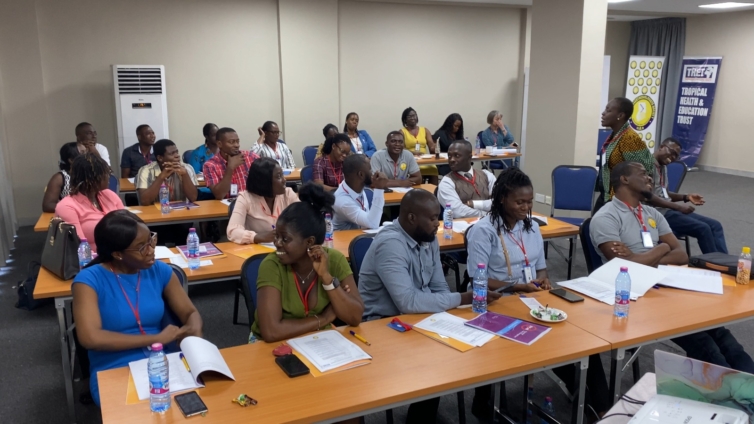
Medical professionals across the country are accessing the systematic ways of managing pain under an Essential Pain Management (EPM) course in Kumasi.
Pain has many causes including cancer, injury, infection, surgery, and people experience it in many different ways.
Despite the commonality, pain is often a 'hidden' problem and is poorly treated in hospitals.
The treatment of pain is often hindered by numerous barriers including people's attitudes, lack of health workers, inadequately skilled health officers and lack of medicines.
The Ghana Anaesthesiologists Association and the World Federation of Anaesthesiologists have instituted “Essential Pain Management (EPM)” workshop aimed at improving pain recognition, assessment and treatment.
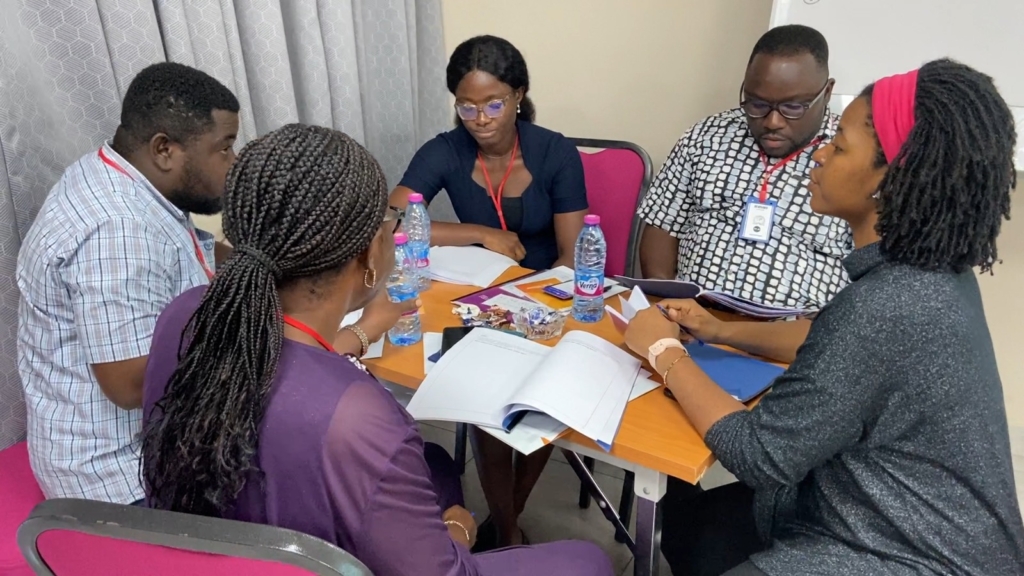
The trainer of trainers’ workshop highlighted why pain should be treated, assessment of severity, classification of pain, pain physiology and pathology, pain treatment, and pain medications.
General Secretary of the Ghana Anaesthesiologists Society, Dr Moses Siaw-Frimpong says the workshop is to equip practitioners to identify pain management barriers and highlight efforts to overcome these barriers.
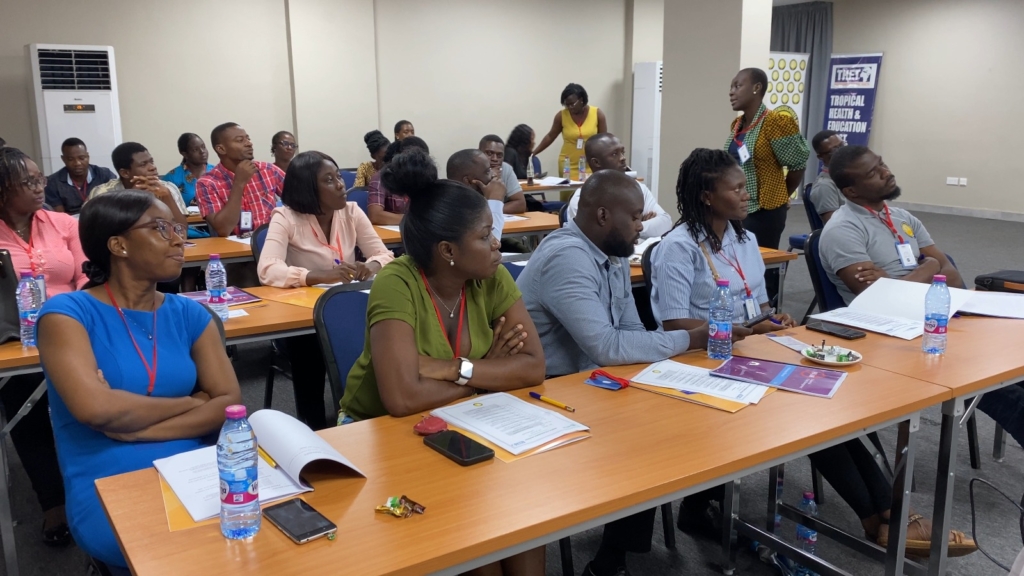
“The course equips clinicians, anesthetists, doctors, pediatricians and surgeons with the systematic ways of managing pain. Pain can be improved with very simple treatments. And this workshop will tool our practitioners and this will make treatment and management easier,” he said.
Untreated pain causes inflammatory changes in the body which may have harmful physical and psychological effects.
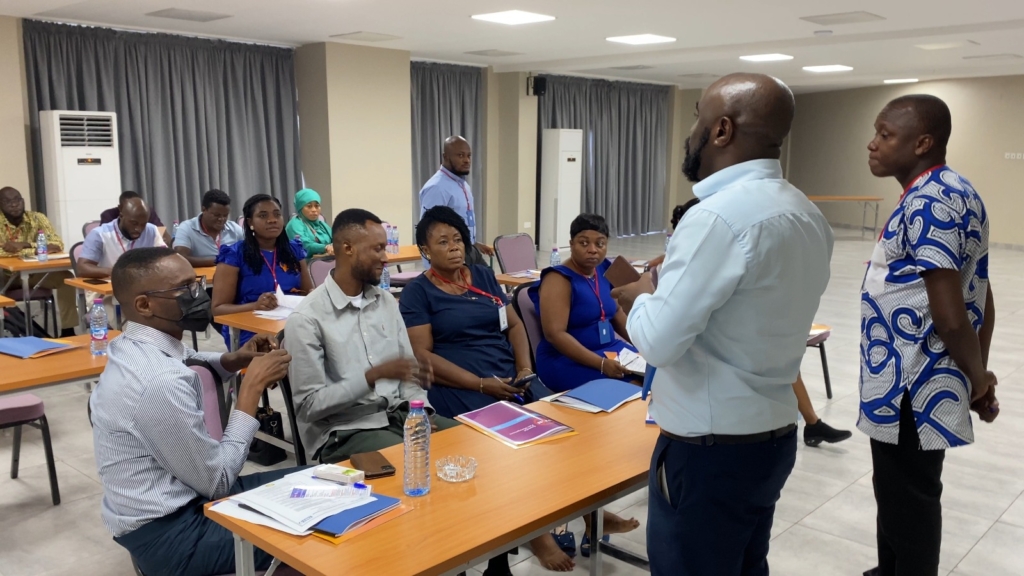
A total of 21 trainers have been equipped to train an additional 100 participants.
The trainer of trainers Essential Pain Management course has been developed with the support of the Faculty of Pain Medicine, Australian and New Zealand College of Anesthetists.
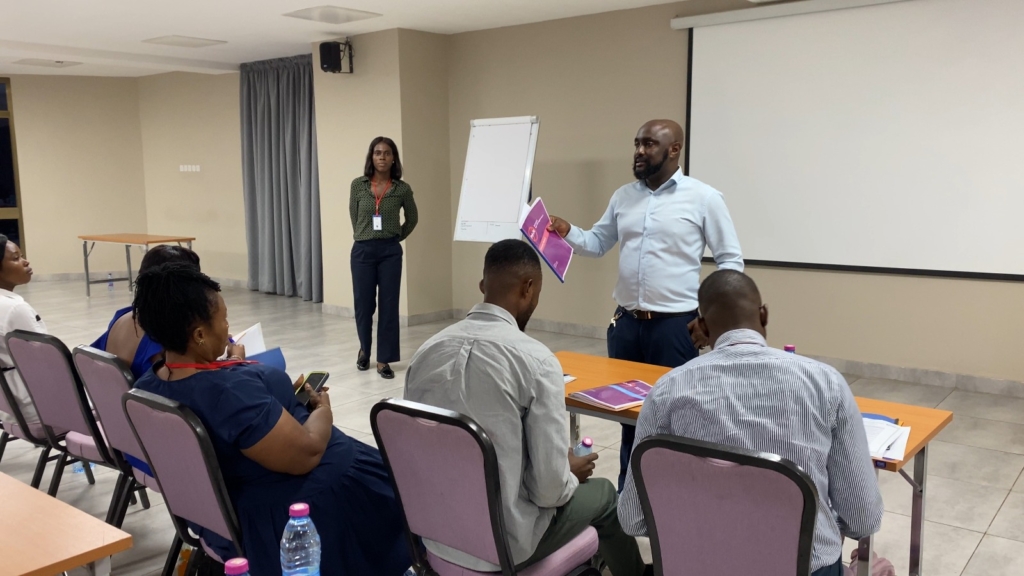
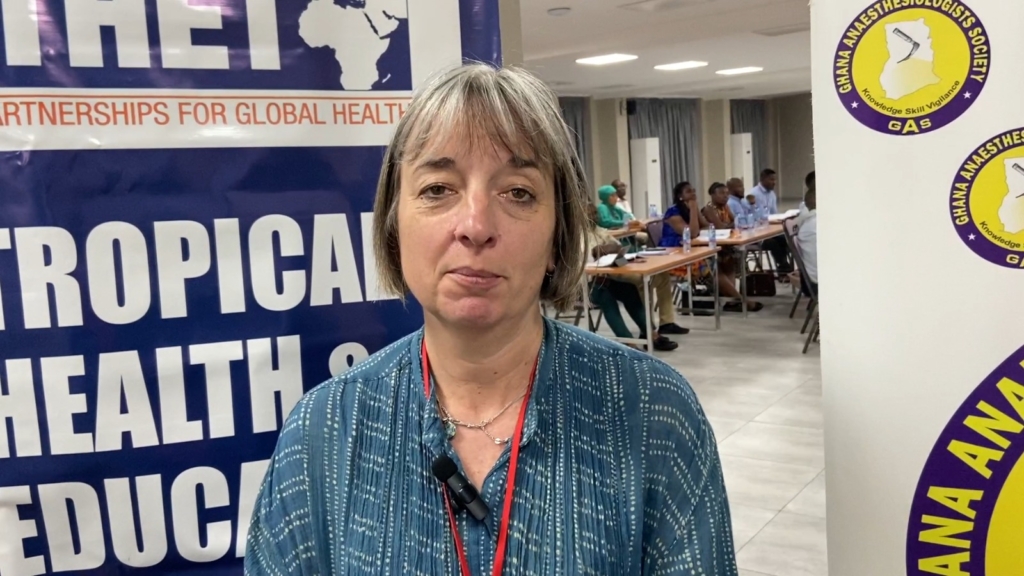
An Anesthesiologist at the World Federation of Anaesthesiologists, Clare Roques, says the modules are flexible to be easily absorbed by local anesthetists.
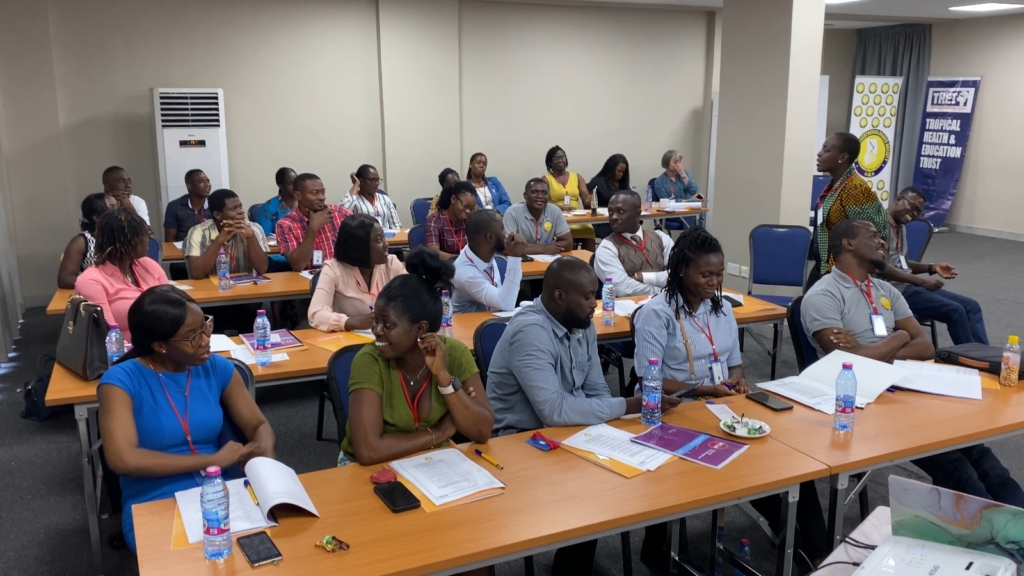
“Treatment options vary from country to country and the EPM is carved to take care of the varying needs and expertise. With this, health workers will have their own suitable option of pain control and treatment,” she said.
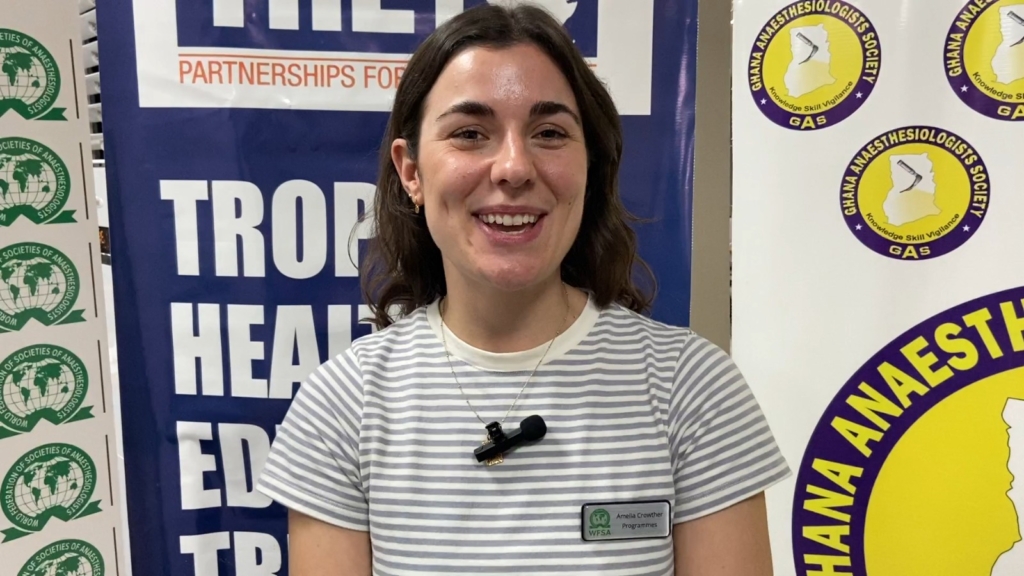
Amelia Crowther, the programs manager for World Federation of Anaesthesiologists, added that “The courses are supported by the Tropical Health Education Trust (THET). We are receiving grants to support this initiative and for these health officers to undergo this program”.
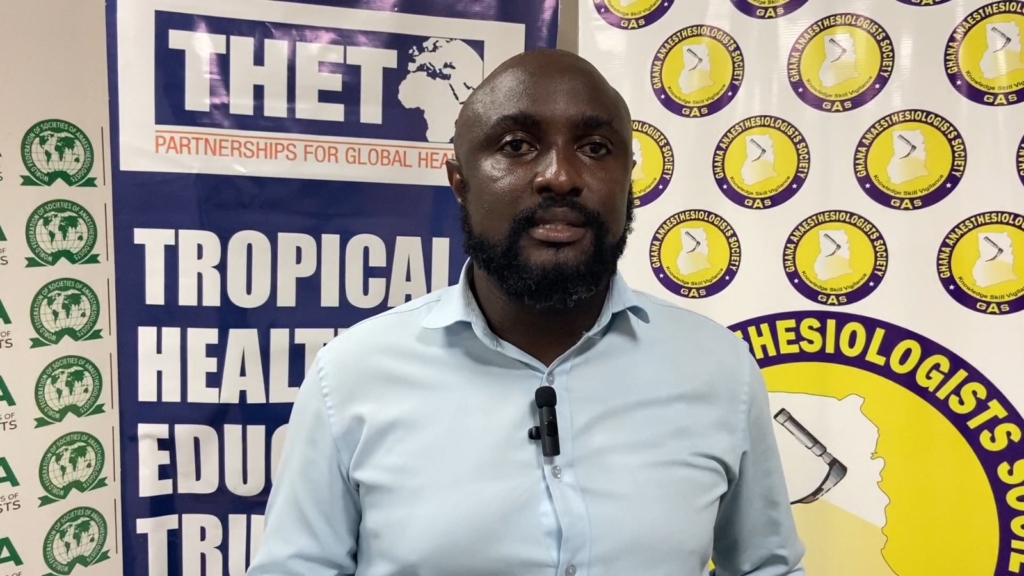
Some trainees, including clinicians, anesthetists, doctors, pediatricians and surgeons say they will be able to overcome defects in their practice concerning pain handling.
Latest Stories
-
Meghan could return to acting once back in UK
29 minutes -
Bali jails Swiss tourist for insulting sacred Day of Silence
36 minutes -
Nii Lante Vanderpuye apologises to Sammy Gyamfi, NDC over GoldBod comments
3 hours -
‘You want the trade, but not the people?’ – Dr Yamson tears into South Africa’s xenophobia
4 hours -
Walmart sales under strain as US shoppers pull back
5 hours -
The Premier League’s new plan to end corner chaos
5 hours -
US Open offers biggest prize fund in Grand Slam history
5 hours -
‘I feel I am imprisoning myself’ – Djokovic on drive & doubts
5 hours -
India’s Gen Z are driving up a mega boom in its beauty market
5 hours -
Ronaldinho seeks 300th goal with comeback aged 46
6 hours -
Your voice, your future – Opare Addo opens National Youth Forum 2026
6 hours -
GRA pushes data-driven tax administration to boost revenue mobilisation
6 hours -
NSMQ 2026: Presby SHS, Bompata crushes Sacred Heart’s hopes of reaching one-eighth stage
6 hours -
Africa Golf Tourism Convention opens in South Africa to unlock opportunities
6 hours -
BOGISS alleged sexual assault: Dr Apaak demands protection for autism victim
6 hours