

Audio By Carbonatix
The Chamber for Local Governance (ChaLoG) has urged the Administrator of the District Assemblies Common Fund (DACF) to desist from appropriating funds through sole-sourced procurement contracts for goods and services for and on behalf of Metropolitan, Municipal, and District Assemblies (MMDAs).
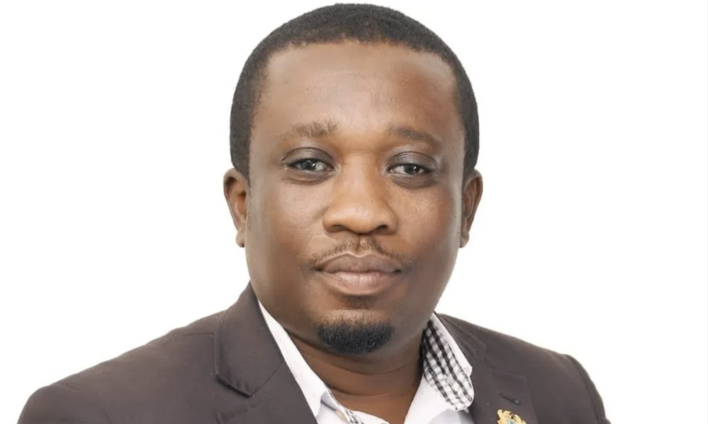
Mr Romeo Elikplim Akahoho, the Executive Secretary of the Chamber, told the Ghana News Agency that such conduct from the DACF Administrator was grossly illegal in the face of Article 252 of the 1992 Republican Constitution, as well as Section 125(3) of the Local Governance Act, 2016. (Act 936).
“Section 125(3) of the Local Governance Act, 2016 (Act 936) states: ‘The moneys that accrue to the Common Fund shall be distributed among the district assemblies on the basis of a formula approved by Parliament,’ it added.
According to him, the DACF Administrator was acting in complete contravention of her functions as expressly stated in Section 129 of the Local Governance Act, 2016 (Act 936), which categorically states among other things that the main function of the Administrator shall “administer and distribute moneys paid into the Common
Fund among the District Assemblies in accordance with the formula approved by Parliament.”
Mr Akahoho noted that procuring equipment under the District Road Improvement Programme (DRIP) and distributing it to MMDAs was illegal, as the DACF Administrator does not have the mandate to do so.
He added that “ChaLoG is therefore of the firm conviction that the DACF Administrator’s illegal award of contracts on a solely sourced basis directly from the DACF Account for procurement of goods and services for and on behalf of MMDAs remains an outright illegality and hence a serious affront to decentralisation and local governance as succinctly espoused by the 1992 Constitution.”
He indicated that the Chamber was calling on the DACF Administrator to, as a matter of urgency, respect the tenets of the Constitution to give true meaning to the constitutional injunction to allow the MMDAs to engage in their own procurements of goods and services from their share of the DACF, as that would deepen decentralisation and expand the frontiers of local governance in Ghana.
Latest Stories
-
John Boadu can appeal across Ghana’s social groups – Prof Mike Oquaye
4 minutes -
‘Electing Kojo Bamba is backward politics’ – Mustapha Gbande
18 minutes -
Government must order payment of promoted teachers’ salaries – GNAT
28 minutes -
Meet Sethina Edem Sunu, the healthcare professional eyeing the NDC UK & Ireland deputy organiser role
32 minutes -
The myth of ‘sophisticated customer experience’ in the digital age
36 minutes -
What happened to lands reserved for sanitary sites? -WasteCare CEO calls for audit
37 minutes -
Manasseh Writes: The shift in the NPP
52 minutes -
The price of a seat: Financial barriers and the structural quality of Ghana’s Parliament
58 minutes -
Government targets October 16 for first tranche of teacher arrears – Haruna Iddrisu
1 hour -
Daily Insight for CEOs: The CEO’s role in driving innovation
1 hour -
Audit existing sanitary sites to address waste management land shortages – WasteCare CEO urges assemblies
1 hour -
Two-bin household waste system could support waste-to-energy in Ghana – Waste Care Associates CEO
1 hour -
Dealing with political and social media insults
1 hour -
Essi Donkor urges stronger support for girls’ education, announces GH¢2,000 BECE reward
1 hour -
Ghana still needs landfills but Accra should prioritise waste-to-energy – Waste Care Associates CEO
1 hour