

Audio By Carbonatix
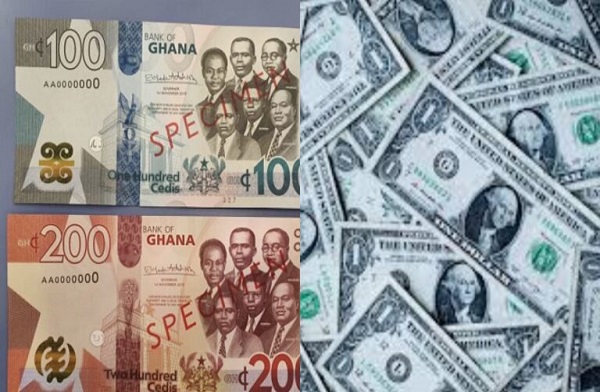
The Institute for Economic Affairs (IEA) has urged the Bank of Ghana to progressively build its reserves to at least six months of import cover to strengthen the exchange rate.
According to the think tank, that’s the major step in avoiding the perennial depreciation of the cedi.
It pointed out that the additional reserves could be derived from natural resources through increased ownership and value addition.
In an analysis ahead of the December elections, the IEA said the exchange rate management should be improved by implementing measures to address the perennial foreign exchange supply-demand imbalance through some of the structural reforms.
This includes better management of the exchange rate through prudent fiscal and monetary policies.
Infrastructure remains inadequate, poor
On infrastructure, it said Ghana’s infrastructure remains inadequate and poor, belying its status as a middle-income country.
Urban roads, highways and rural roads are all poor, while railways for transportation of people and goods are virtually nonexistent. Port facilities are also inadequate and below international standards.
The IEA expressed concern that the government budgets consistently make inadequate allocations to infrastructure, with disproportionate shares going to non-productive recurrent expenditure.
Again, inadequate and poor infrastructure has increased the cost of doing business and economic inefficiencies and has been a drag on economic growth.
On recommendation, it stated that the budgetary allocations for infrastructure should be substantially increased, while at the same time reducing recurrent expenditure.
At the same time, the private sector should be involved in infrastructure financing through Public-Private Partnerships (PPP) initiatives to reduce the burden on the budget, whilst tThe Ghana Infrastructure Investment Fund (GIIF) should be regularly funded to ensure dedicated funding for infrastructure.
Also, an additional Fiscal Rule should be introduced in the Fiscal Responsibility Act to channel all government loans to capital investment to ensure that enough returns are generated to facilitate future repayments.
Latest Stories
-
The Galamsey war and GWL’s fictitious and inaccurate rebuttal
4 minutes -
Afenyo-Markin demands answers over alleged GH¢22bn GoldBod loss
5 minutes -
GoldBod ‘Losses’: We’re not ignorant, we know our job – Afenyo-Markin
8 minutes -
GoldBod cannot hide behind agency role to escape accountability – Afenyo-Markin
19 minutes -
‘You don’t get to keep the fees and disown the costs’ – Afenyo-Markin challenges GoldBod
23 minutes -
GNPC turns 40, targets oil production recovery and $3.5bn fresh investment
33 minutes -
Minority will speak boldly on GoldBod losses despite attacks – Afenyo-Markin vows
38 minutes -
Moody’s upgrades EBID rating to B1, citing stronger finances and shareholder support
47 minutes -
GoldBod cannot make losses trading gold – Afenyo-Markin
55 minutes -
Papaye, KFC and Pizzaman customers among most targeted as TrustGH uncovers nearly 1,000 scam numbers cloning Google business profiles of major food chains
1 hour -
2026 U20 WWC: ‘We are in a tough group’ – Black Princesses’ Linda Owusu Ansah
1 hour -
2026 U20 WWC: Ghana’s Ambassador to Czech Republic welcomes Black Princesses to Poland
2 hours -
Oti NPP executives demand completion of stalled government projects
2 hours -
Jinapor demands answers as Alima Mahama is asked to pay for Embassy spending outside her tenure
2 hours -
Russia doubles scholarships for Ghanaian students to 240 annually
2 hours