

Audio By Carbonatix
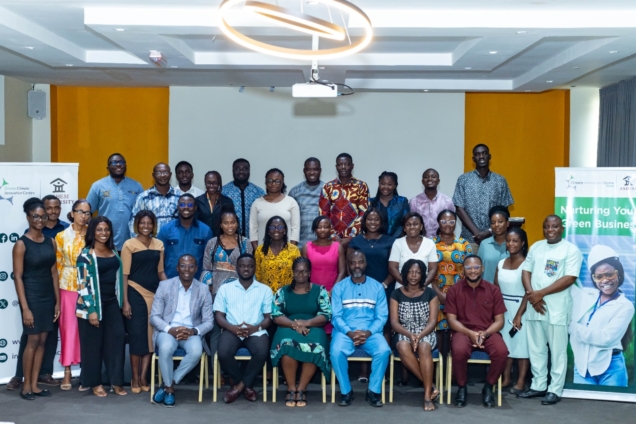
The Ghana Climate Innovation Centre (GCIC) has hosted a pivotal policy roundtable at the Airport View Hotel in Accra.
The event brought together policymakers, climate experts, business leaders, and other stakeholders from the World Bank, Energy Commission, and Ghana Chamber of Commerce amongst others to discuss accelerating Ghana’s transition to clean cooking approaches; a crucial step toward addressing environmental challenges, improving public health, and fostering economic growth.
GCIC’s longstanding commitment to supporting climate-smart innovations, which has already led to over 609,975.26 metric tons of CO2 emissions being avoided, offered a robust backdrop for the event. The highlight of the event was the presentation of a GCIC-commissioned policy paper, “Accelerating the Transition to Clean Cooking Approaches in Ghana: An Assessment of Challenges, Strategies, and Reforms Required”, by Prof Francis Kemausuor, and Gloria Boafo-Mensah, PhD and Akwasi Adu-Poku, PhD which offers an in-depth analysis of the barriers to adopting clean cooking technologies and proposes actionable recommendations for achieving widespread implementation.
In Ghana, over 54% of the population still rely on traditional cooking methods, with a significant percentage using firewood and charcoal. These fuels are not only harmful to the environment but also contribute to respiratory illnesses caused by indoor air pollution.
The World Health Organization has identified this as a leading health risk, particularly for women and children. Additionally, unsustainable biomass use drives deforestation and greenhouse gas emissions, exacerbating climate challenges.
The policy paper underscored that Ghana loses an estimated 4.9% of its GDP annually due to climate-related impacts, including the health and environmental costs of traditional cooking methods. Transitioning to clean cooking solutions is therefore essential for building climate resilience and promoting sustainable development.
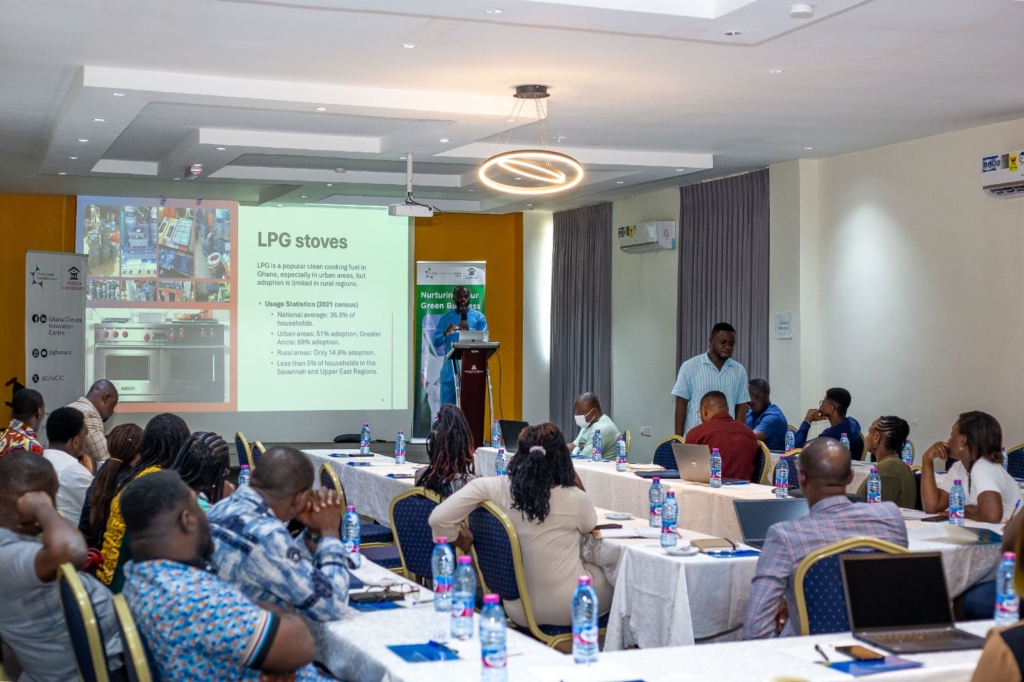
During the roundtable, Prof. Kemausuor detailed the policy paper’s key findings, which became the foundation for engaging discussions among participants including environmental and health benefits, barriers to adoption, public-private partnerships, policy and regulatory reforms, and economic opportunities.
Key sentiments shared by stakeholders at the event emphasised the need to sensitise local charcoal manufacturers about the drawbacks of traditional cooking methods and the benefits of transitioning to clean cooking solutions. It was strongly highlighted that grassroots communities, local governments, and assemblies play a crucial role in accelerating this transition.
Professor Kemausuor pointed to case studies from African countries including Uganda and Rwanda, which have introduced policies mandating local manufacturers to utilise designated woodlots that are sustainably managed and replenished, ensuring long-term environmental sustainability.
The GCIC, an Ashesi Institute, is funded by Global Affairs Canada and through its Policy Alternatives for a Green Economy (PAGE-Ghana) programme, champions policies that drive innovation, promote low-carbon solutions, and build climate resilience.
Latest Stories
-
Barcelona close to deal for Arsenal’s Jesus
26 minutes -
Three-week international break a concern – Mourinho
36 minutes -
Bellingham scores as Mourinho’s Real win again
45 minutes -
Tech trouble leaves Chelsea game ref without comms
53 minutes -
Wife of man who died after turbulence sues airline
1 hour -
Russia says it helped to repel Niger attempted coup
1 hour -
Michail Antonio helps young Ghanaians chase Premier League dreams
3 hours -
Zambian opposition leader charged with treason
3 hours -
Iceland votes against restarting EU membership talks
3 hours -
WhatsApp chat used to launder cash for crime and extremism
3 hours -
US judge blocks Pentagon’s Anthropic blacklisting
3 hours -
Tinubu files case in US court to block release of alleged drug trafficking record – Lawyer
4 hours -
‘Powder Guy’ denies $32,000 visa fraud charges
4 hours -
Two suspects arrested over lynching at Daboya
4 hours -
Mobile phones contributing to Christians’ spiritual decline – Bishop Patu
4 hours