

Audio By Carbonatix
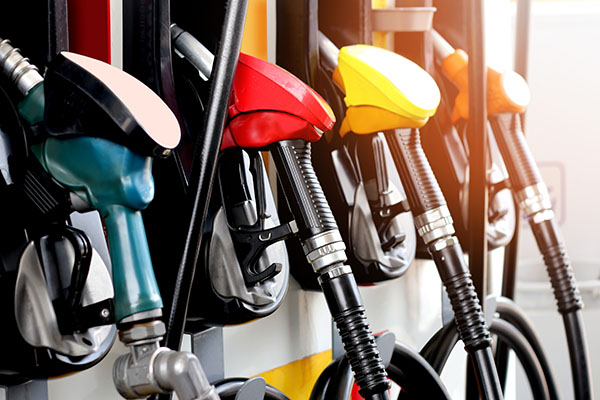
President Mahama can start on a very good note by reducing prices of fuel.
The price of crude oil globally ended the Year 2024 in the low $70s per barrel. At this price, the government should seize the opportunity to reduce the prices of fuel and reset the economy. The high price of fuel and food has led to high inflation and high cost of living.
As a result, many Ghanaians are faced with unbearable hardships, with many now slipping below the poverty line. But what can the new government do to ameliorate living standards when the world crude oil price is low? Most importantly, reduce the prices of fuel to relieve Ghanaians of the economic hardships.
According to BBC news, Ghana's vote during the election brings to an end a remarkable 12 months in African politics, which have seen five transfers of power - more than ever before. This "annus horribilis" for governments has now also brought opposition victories in Botswana, Mauritius, Senegal and the self-declared republic of Somaliland.
As stated by BBC news, even beyond these results almost every election held in the region this year under reasonably democratic conditions, has seen the governing party lose a significant number of seats.
BBC attributed this trend to a combination of factors:
• the economic downturn
• growing public intolerance of corruption
• and the emergence of increasingly assertive and well-co-ordinated opposition parties.
The global crude oil price has presently cooled down. But factors such as geopolitical situations in Middle East and Russia war with Ukraine could drive crude oil price back up.
Instead of Ghanaians enjoying the reduction in crude oil price we are faced with the same high prices of fuel. The new government could take advantage of the opportunity presented by the market. Thus, offering Ghanaians the relief they need at the pump.
What the new government needs is a long term purchase plan to source petroleum products. Ghana should hedge the price of these products with a reliable refinery and sign a long term contract.
This will protect the country against the fluctuations of fuel prices due to volatility of world crude oil market and stabilize the economy.
The necessary steps must be taken urgently by the new government to give Ghanaians a break at the pump. And take advantage of the opportunity presented by the market to purchase fuel at a reduced price. Thereby passing the benefits of the cost reduction of crude oil to Ghanaians.
Potentially, prices of most common petroleum products would be reduced and stabilized with a long term contract with a reliable refinery. This will ensure Ghanaians benefit from the reduction of the world crude oil price and secure our energy future.
Benjamin Amponsah Mensah, the wroter is an Energy Expert and Chemical Engineer.
Latest Stories
-
FDA records GH¢70m surplus in 2025 despite laboratory equipment, illicit product concerns
4 minutes -
‘Are we regulating danger or birthdays?’ – IMANI questions 15-year used vehicle restriction, asks GSA
5 minutes -
Russia, Ghana discuss transport cooperation and logistics development
5 minutes -
Government clears $1.47bn legacy energy debt, saves $500m through fuel-switching — Jinapor
8 minutes -
Why October for Wontumi’s bail application when it could have been heard in August or September? — Frank Davies
14 minutes -
Gender Ministry, Sanneh Institute renew push to end witchcraft accusations in Ghana
16 minutes -
‘Sustainability must become a way of life’ – MTN’s Georgina Fiagbenu
22 minutes -
Sekondi fisherfolk trained in fire prevention and emergency response after June harbour fire
23 minutes -
Benjamin Asare to receive US$38,000 JAC Motors vehicle after Ghana’s 2026 World Cup campaign
33 minutes -
Why I spend my days raising mosquitoes
36 minutes -
The case for the aged talent: Why experience never retires
50 minutes -
Ghana’s new wealth window
57 minutes -
Thinking beyond risk key to building resilient institutions – Stanbic Bank executive
1 hour -
John Boadu leads NPP National Chairman race with 27% — Global InfoAnalytics
1 hour -
AMMREN calls for renewed investment in science, community action to fight mosquito-borne diseases
1 hour