

Audio By Carbonatix
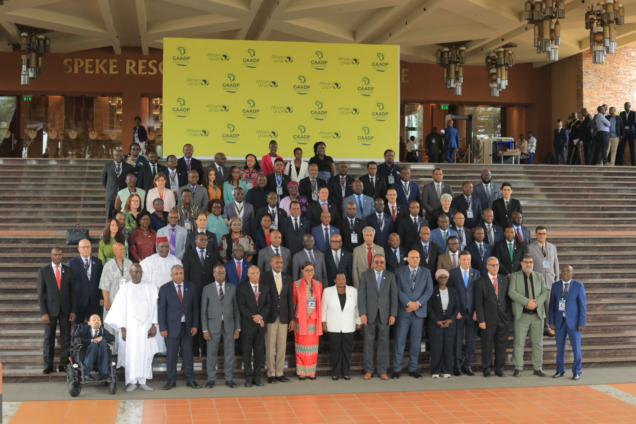
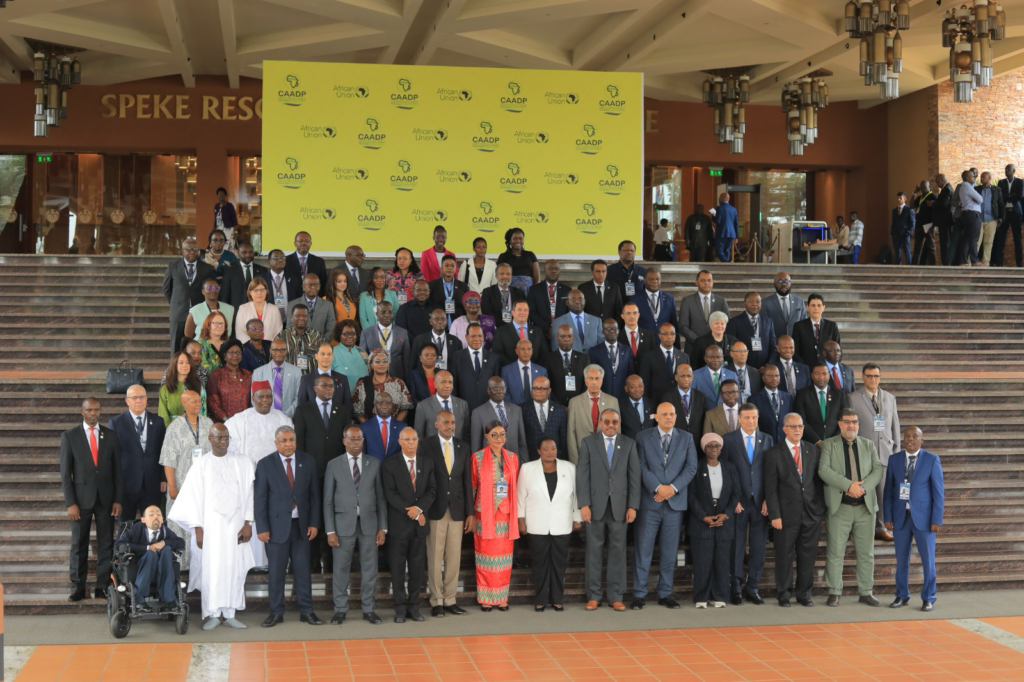
African Union (AU) leaders have gathered in Kampala, Uganda to approve a new framework for the development of Africa’s agricultural, food, and related sectors.
Organised by the African Union Commission, the Extraordinary Summit on the Post Malabo Comprehensive Africa Agriculture Development Programme (CAADP), from 9th to 11th January, will outdoor a 10-year strategy to strengthen the momentum and ensure Africa’s agricultural transformation benefits its citizens.
Over the past 20 years, CAADP has emerged as the cornerstone framework for driving agricultural transformation across Africa.
Launched in 2003 following the Maputo Declaration and reaffirmed in 2014 with the Malabo Declaration, CAADP has contributed to increasing agricultural GDP, higher average incomes, enhanced agricultural output, expanded agricultural trade, greater investments, and significant reductions in hunger and poverty.
The Malabo Declaration expired at the end of 2024 after 10 years.
Recognising the need for a Post-Malabo Agenda to advance sustainable agri-food systems, the ongoing summit will firm up the CAADP Strategy and Action Plan (2026–2035) and the Kampala Declaration 2025.
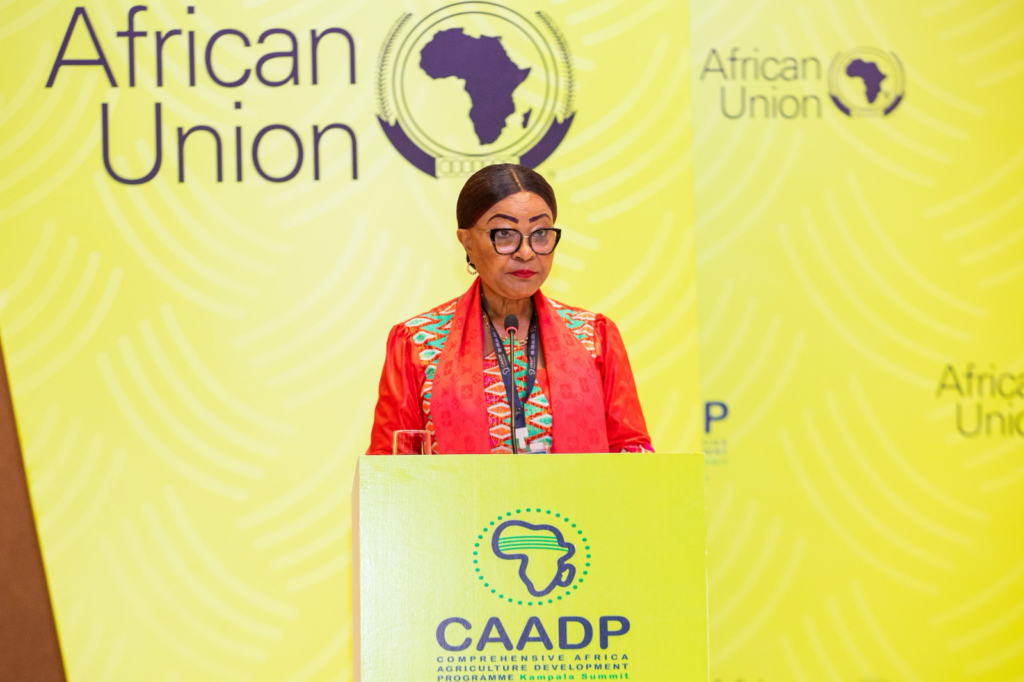
Ambassador Josefa Sacko, African Union Commissioner for Agriculture, Rural Development, Blue Economy and Sustainable Environment said the summit will make landmark decisions that will shape Africa’s agrifood systems transformation for the next decade.
“Overall, the 10-year CAADP Strategy and Action Plan aims to boost food production, expand value addition, boost intra-Africa trade, create millions of jobs for our youth and women, build inclusive agrifood value chains, and build resilient and sustainable agrifood systems that will withstand shocks and stressors now and in the future,” she said at the opening of the summit.
“Furthermore, we are dedicated to strengthening governance through evidence-based decision-making and enhancing accountability among all stakeholders. Inclusivity is a fundamental aspect of our approach; we will ensure that women, youth, and marginalised groups have access to resources, thereby facilitating their equitable participation in the agri-food sector,” she added.
The design and preparation of the Kampala CAADP process have resulted from collaboration among a broad spectrum of stakeholders.
Regional Economic Communities (RECs), technical working groups, experts and researchers from African Centers of Excellence, farmers' organizations, development partners, parliamentarians, private sector groups, youth groups, and women in agriculture have all played essential roles in shaping the strategy.
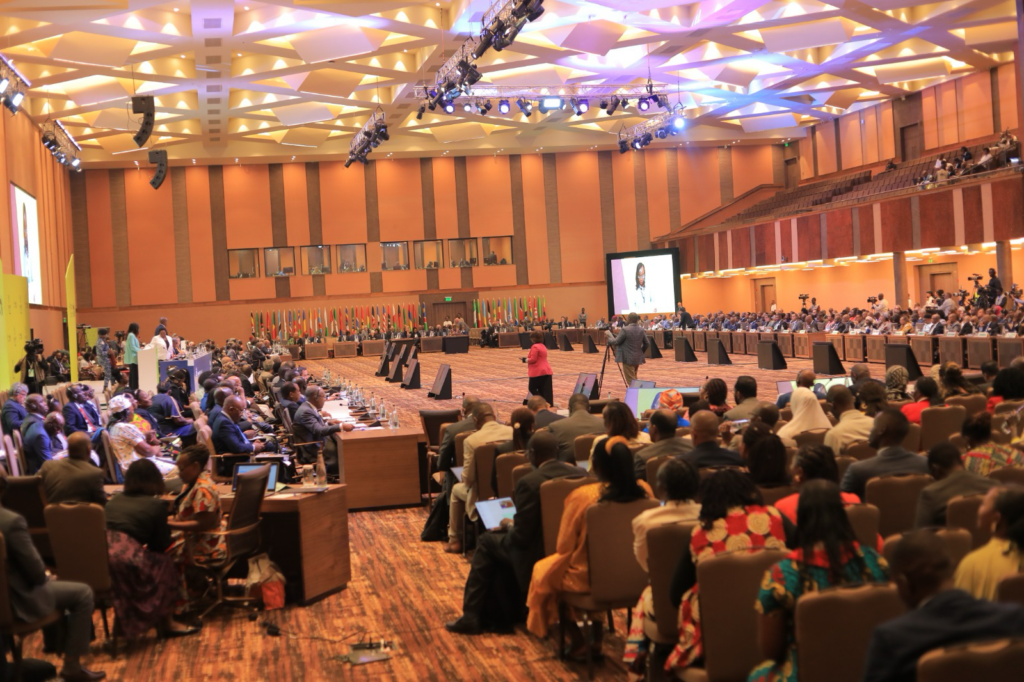
Their collective contributions have ensured that the approach is inclusive, representative, and grounded in the realities of those most affected by agrifood systems.
The new CAADP strategy and Kampala Declaration will seek to evaluate the achievements and challenges since the Maputo and Malabo Declarations, accelerate the execution of commitments to deliver measurable results, and address gaps in funding, policy, and execution.
These earlier declarations required that African governments invest at least 10% of GDP in agriculture, achieve 6% of annual agricultural growth to boost economic growth, reduce poverty, enhance resilience to climate change, and end hunger.
“The new plan seeks to leverage resources for driving economic growth, enhancing food security, and improving livelihoods while addressing the impacts of climate change, in alignment with the CAADP principles. It aims to achieve this by stimulating investment, fostering partnerships, and empowering vulnerable smallholders,” she added.
The CAADP Action Plan also aims to achieve critical food system transformation goals by enhancing agricultural input systems, improving access to quality seeds, animal feed, and fertilizers, and promoting sustainable growth through industrialisation.
It will also tackle the dual challenges of malnutrition and food insecurity through increased access to land for women, youth, and marginalised groups, alongside diversifying income sources and promoting sustainable natural resource management and social protection.
The plan introduces innovative financing models, such as blended finance and agricultural bonds, to attract and secure additional funding for sustainable development and tackling the climate fund.
It will advocate for effective coordination among governments, regional bodies, financial institutions, and the private sector to create an enabling environment that encourages investment.
It will also promote safeguards to address ongoing crises - such as the COVID-19 pandemic, conflicts, and global economic pressures.
Prime Minister of Uganda Robinah Nabbanja called on African governments to take the plan seriously. “We, as African countries, needed to do better, than we have been doing, to achieve the targets that we set for ourselves some twenty years back (that is, in 2003).
"Therefore, I want to urge you as sector Ministers across the continent, to guide us on where we need to re-adjust for us to meet our targets,” she said.
Ghana’s presence at the conference will be felt on Friday when MP for Wa East and former ranking member on parliament’s Food, Agriculture and Cocoa Affairs Committee, Dr. Godfred Seidu Jasaw participates in a session on “Parliamentary leadership in action: Policies and investments to promote agrifood systems,” alongside the AU commissioner for agriculture.
Latest Stories
-
ECG procurement is where politicians ‘milk’ the company – Ben Boakye
51 minutes -
IPPs’ contractual arrangements partly to blame for energy sector problems – TUC’s Dr Otoo
1 hour -
Like Benzema & as good as Haaland – Alonso on Joao Pedro
1 hour -
Check out 41 countries Ghanaians can visit without a visa on ordinary passports
1 hour -
I disrupted pre-season travel plans to prepare players – Arteta
1 hour -
Richarlison’s move to Vasco da Gama falls through
2 hours -
Dictator meme shows lack of human awareness – Mbappe
2 hours -
2030 World Cup: Moroccan official told to stop making 2030 final promise
2 hours -
Mourinho compares Mbappe and Vini Jr to fruit trees after boos
2 hours -
Lewis Hall signs new contract with Newcastle until 2031
2 hours -
Signed instead of Rashford, Gordon is proving worth at Barca
2 hours -
2026 BECE automatic placement rate hits 87.3%, highest since 2021 — CSSPS data
2 hours -
Ghanaian youngster Zayan Omar joins Spanish side Málaga
2 hours -
New Man City signings desperate to win – Dias
2 hours -
Morocco rejects Spain blame game, warns against using kingdom as political pawn
2 hours