

Audio By Carbonatix
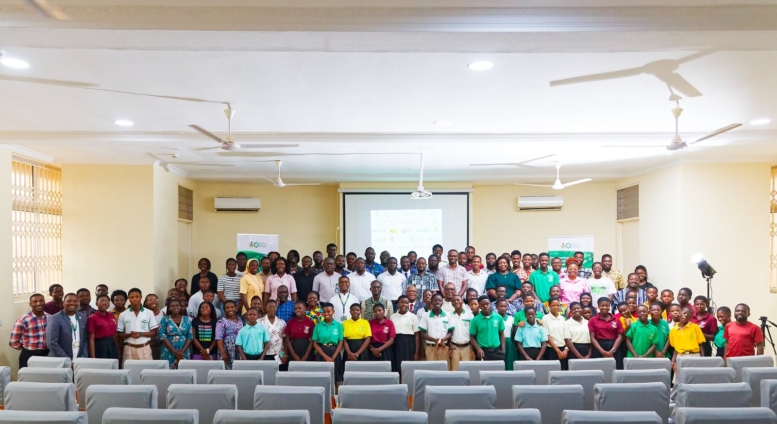
The Artificial Intelligence for Sustainable Development (AI4SD) project has officially been launched with an inception workshop aimed at laying the groundwork for its 10-month journey.
The workshop marks the beginning of a transformative effort to develop a comprehensive roadmap for the successful implementation of the AI4SD project, which will address some of the world’s most pressing challenges.
Funded by the French Embassy in Ghana, the AI4SD project is set to leverage the power of artificial intelligence in tackling a wide range of issues, with a special focus on achieving some of the 17 Sustainable Development Goals (SDGs).
The Head of the Cooperation Department at the French Embassy, Mr. Julien Lecas, revealed that the AI4SD project aligns perfectly with France's longstanding commitment to supporting Africa's development, particularly through initiatives that promote innovation, research, and address the Sustainable Development Goals (SDGs).
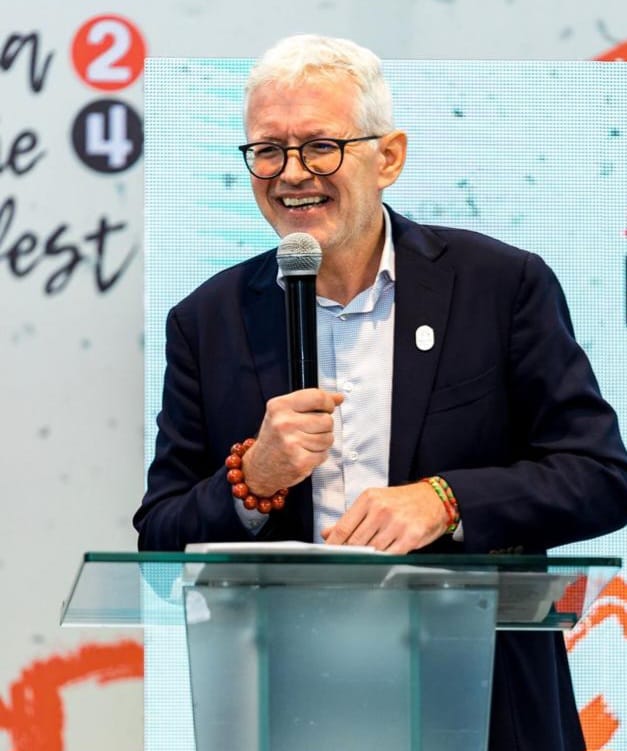
“This project will develop our partnership with Ghana and the Kwame Nkrumah University of Science and Technology (KNUST), and we’re committed to making the project a success,” he added.
The project is also operating under the Responsible Artificial Intelligence Lab, which is supported by IDRC Canada, GIZ of Germany, and FCDO (the UK’s international development wing).
According to Claire Delamaire, Deputy Country Director for Ghana at Agence Française de Développement (AFD), the AI4SD project is a powerful demonstration of how AI can contribute to the SDGs.
“We’re shaping a future where AI contributes to equity, resilience, and sustainable growth,” she said.
The project is designed to bring innovative AI-driven solutions to critical areas such as agriculture, education, energy, health, business, climate action, and poverty reduction.
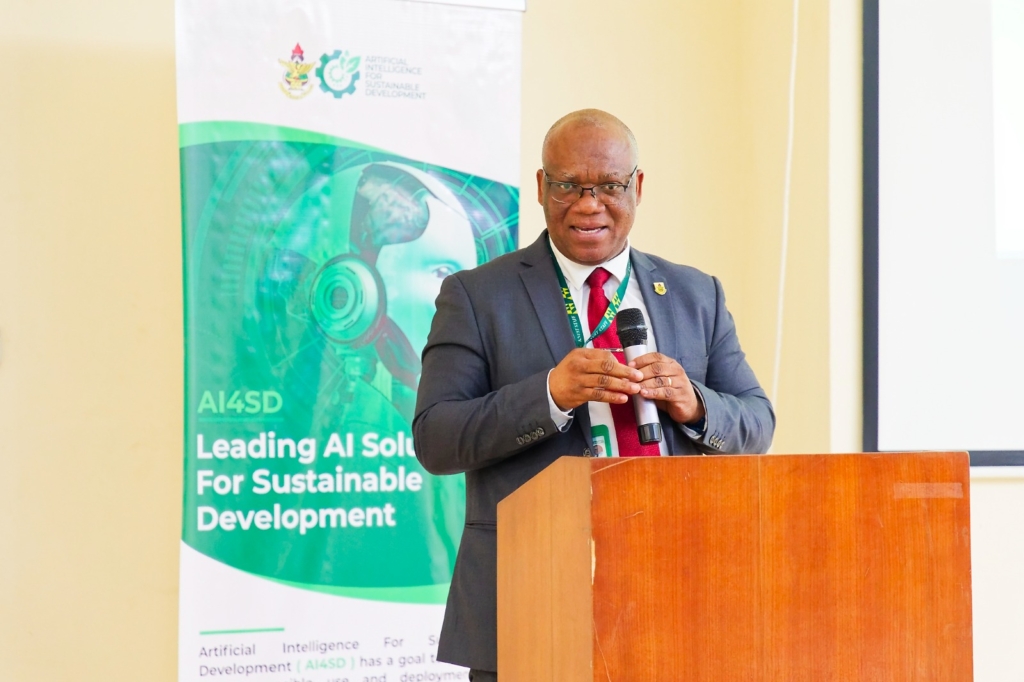
Speaking at the inception workshop, AI4SD project lead Prof. Jerry John Kponyo outlined the positive impact of the project on society.
“Today’s project on artificial intelligence is a significant intervention toward leveraging AI for the attainment of the SDGs. The catchword for the AI4SD project is ‘show working,’ and it demonstrates how AI can positively impact society,” he said.
The focus areas for the project include AI in agriculture (SDG 2), AI in health (SDG 3), AI in energy (SDG 7), AI in education (SDG 4), AI for addressing illegal mining (SDG 6, which focuses on clean water), responsible and inclusive AI (SDG 10), and AI-powered innovation (SDG 9).
He added, “Beyond developing innovative solutions, we will also curate critical datasets for the ecosystem.
As we push toward AI for Sustainable Development, we need to appreciate the fact that it is important to form constructive partnerships through which we can work together for the attainment of the goals.
We will be working closely with various departments, faculties, and offices within and outside of the university to ensure the goals of this project are met. It is our hope that this initiative will grow into a global center for responsible AI research.”
The inception workshop brought together key stakeholders from government, academia, and industry to discuss the project’s objectives, share insights, and align on the next steps.
Over the next 10 months, the team will work to refine and implement strategies that can directly impact the achievement of the sustainable goals, while ensuring the ethical and inclusive use of AI technologies.
According to Prof. E.A. Frimpong, Dean of the Faculty of Electrical and Computer Engineering (FECE), the entrepreneurship theme under the AI4SD project aligns with the university's mission on entrepreneurship. He believes this will reduce graduate unemployment in the country.
“Component 3 of the project, which highlights entrepreneurship, aligns with the university's mission on job creation, and we need to pay attention to that so we can create enterprises for the graduates the university churns out every year,” he emphasized.
Prof. Kwabena Biritwum Nyarko, Provost of the College of Engineering, underscored the importance of water treatment due to illegal mining in the country.
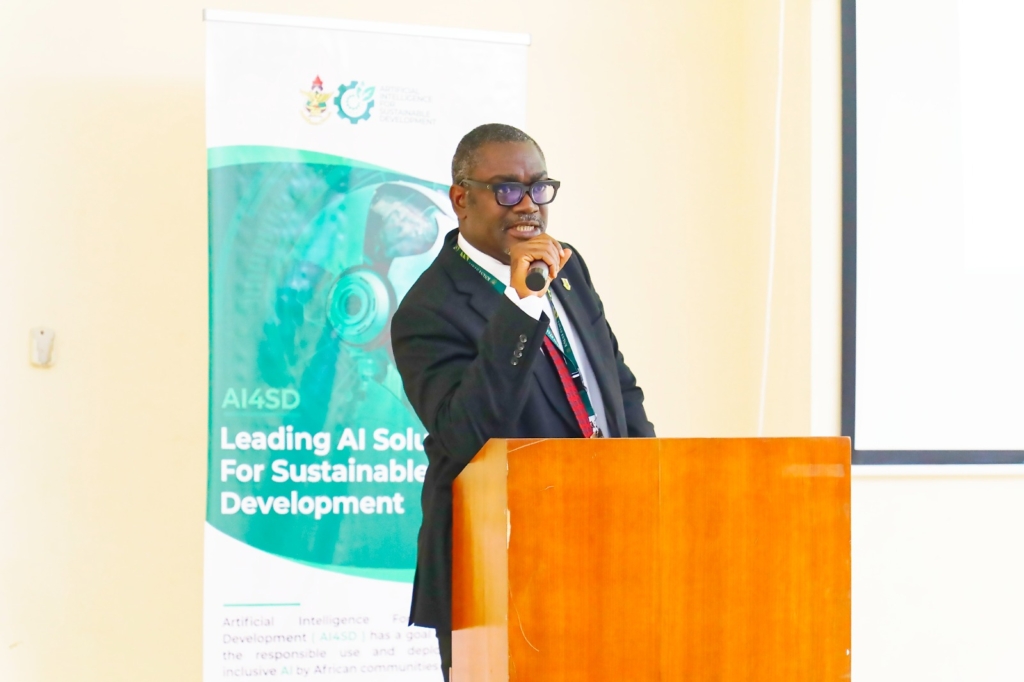
The Provost noted that the project will address pressing challenges in some sectors of the country and beyond.
“If we don’t take care of our environment and mine irresponsibly, our future generations will suffer. It’s important we treat our water so we can get clean water to drink,” he advised.
The Artificial Intelligence for Sustainable Development (AI4SD) thematic leads took turns to explain the themes under the project at the inception workshop.
Latest Stories
-
Barcelona close to deal for Arsenal’s Jesus
2 hours -
Three-week international break a concern – Mourinho
2 hours -
Bellingham scores as Mourinho’s Real win again
2 hours -
Tech trouble leaves Chelsea game ref without comms
2 hours -
Wife of man who died after turbulence sues airline
3 hours -
Russia says it helped to repel Niger attempted coup
3 hours -
Michail Antonio helps young Ghanaians chase Premier League dreams
4 hours -
Zambian opposition leader charged with treason
4 hours -
Iceland votes against restarting EU membership talks
5 hours -
WhatsApp chat used to launder cash for crime and extremism
5 hours -
US judge blocks Pentagon’s Anthropic blacklisting
5 hours -
Tinubu files case in US court to block release of alleged drug trafficking record – Lawyer
5 hours -
‘Powder Guy’ denies $32,000 visa fraud charges
5 hours -
Two suspects arrested over lynching at Daboya
5 hours -
Mobile phones contributing to Christians’ spiritual decline – Bishop Patu
6 hours