

Audio By Carbonatix
The Ministry of Foreign Affairs has alerted Ghanaian traders and businesses to Burkina Faso’s continued ban on the export of cereals and white beans, urging full compliance to avoid sanctions.
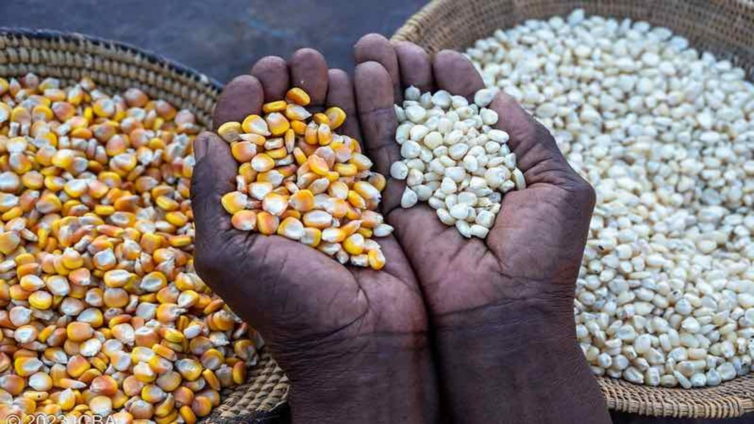
In a statement issued on Tuesday, February 25, the Ministry cited official communications from Burkina Faso - joint communiqués No. 023-0017 dated December 19, 2023, and No. 024-0017 dated November 13, 2024 - reiterating the ban on the export of key staples including rice, millet, maize, sorghum, and cowpeas.
The restriction aims to safeguard Burkina Faso’s domestic food security amid regional concerns over grain shortages and rising prices.
“Ghanaian traders and businesses involved in importing these commodities from Burkina Faso are advised to take note of this directive and comply accordingly to avoid any sanctions or confiscation of goods,” the Ministry’s statement highlighted.
Burkina Faso initially announced the export restrictions in December 2023, citing concerns over food sufficiency amid challenging climatic conditions affecting agricultural output.
The ban has since been extended, as reaffirmed by the November 2024 communique, highlighting the country’s determination to stabilize local food supplies.
Ghana, a significant importer of cereals from its northern neighbour, could face short-term supply disruptions and potential price hikes in local markets as a result of the ban.
Market analysts warn that the restriction could have ripple effects on Ghana’s food security, particularly for industries reliant on imported grains and beans.
Local traders, especially those operating along the border regions, have been urged to seek alternative sources or adjust supply chains to mitigate the impact.
“We understand the implications for Ghanaian businesses, but compliance is crucial to maintaining smooth bilateral trade relations,” the Ministry added.
The Foreign Ministry further encouraged affected stakeholders to stay updated on developments and liaise with relevant authorities for guidance.
Ghana’s diplomatic missions in Ouagadougou and border agencies are expected to monitor the situation closely and assist traders where necessary.
With the agricultural sector facing increasing challenges across West Africa, regional cooperation and contingency planning are becoming more critical.
The Ministry reassured the public that it will continue to engage with its Burkinabe counterparts to explore possible solutions that minimise economic disruptions while respecting Burkina Faso’s domestic priorities.
For now, Ghanaian importers are advised to exercise caution, adhere to trade regulations, and explore alternative sourcing options to ensure steady supply and price stability of these essential commodities.
Latest Stories
-
Finance Minister advises African governments to strengthen regional tax cooperation
1 hour -
NPP accuses NDC of master-minding demolition of Ho regional office fence
1 hour -
Ghana plans stronger regional power trade with Nigeria
1 hour -
GRA Commissioner-General calls for stronger tax cooperation to boost regional revenue mobilisation
1 hour -
NACOC needs more personnel to tackle drug trafficking – Toobu
2 hours -
Railway workers resist KMA eviction order, demand consultation
2 hours -
Legacy Leadership Africa Institute to host boardroom women’s leadership programme
2 hours -
Ghana needs a law to sustain constitutional reforms – CDD-Ghana
5 hours -
COVID fumigation audit: Auditor-General has a lot of questions to answer – Akwatia MP
5 hours -
Stranded Ghanaian medical graduates in Cuba appeal to Mahama for immediate return
5 hours -
GNFS contains fire outbreak at Teshie Lekma Road near Lekma Hospital
11 hours -
Samia Nkrumah rejects the narrative that Ghanaians were happy after Nkrumah’s overthrow
13 hours -
A Mother’s pain: Tribute by Ivan Baidoo’s mother
13 hours -
‘Forgive us for staying away’ — Samia Nkrumah leads family back to Nkroful, pledges to preserve Nkrumah’s legacy
13 hours -
Ernest Nuamah scores twice as Lyon beat Rennes
13 hours