

Audio By Carbonatix
Cardiovascular disease (CVD) remains one of the leading causes of death worldwide. While lifestyle factors like smoking, physical inactivity, and stress play a role, diet is a significant determinant of heart health.
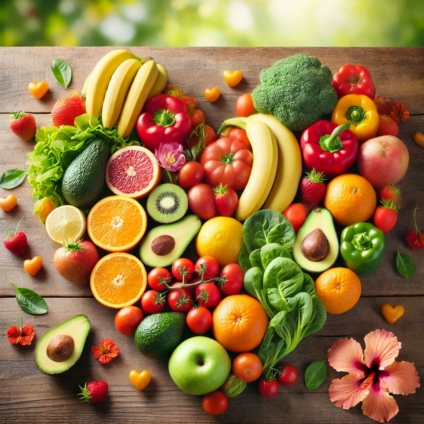
Among dietary components, fruits and vegetables (F&V) stand out as powerful allies in preventing heart disease. They provide essential nutrients, fibre, and antioxidants that help reduce inflammation, regulate blood pressure, and support overall cardiovascular function.
Health organisations, including the World Health Organization (WHO) and the American Heart Association (AHA), consistently advocate for higher F&V intake as part of heart disease prevention strategies.
What does the scientific evidence say?
Scientific research has consistently linked F&V consumption with a lower risk of heart disease and related conditions. A review of prospective cohort studies and meta-analyses suggests that increasing F&V intake reduces the risk of coronary heart disease (CHD) and stroke.
Additionally, intervention trials have shown that greater consumption of F&V can lower blood pressure and improve vascular function, both of which contribute to better heart health.
While the evidence is compelling, more research is needed to fully understand the specific mechanisms by which fruits and vegetables reduce cardiovascular risk.
What are the Nutrients in Fruits and Vegetables that Support Heart Health?
Fruits and vegetables contain a wide range of nutrients that contribute to cardiovascular health. A few are outlined below.
Fibre: Found in nearly all fruits and vegetables, (e.g. melons, pawpaw, mangoes oranges, and leafy greens like kontomire, aleefu, ayoyo etc), fibre helps regulate cholesterol levels and improves digestion.
Antioxidants: Antioxidants in fruits (e.g. vitamin C in oranges, lemons) and vegetables (e.g. flavonoids and carotenoids in carrots and green leafy vegetables), help reduce oxidative stress and inflammation, which are linked to heart disease.
Potassium: Found in bananas, avocados, green leafy vegetables etc, potassium plays a key role in blood pressure regulation and is thus a key nutrient in lowering blood pressure.
Nitrates: Vegetables like beetroot and spinach contain nitrates that help improve blood vessel function and lower hypertension risks.
Omega-3 Fatty Acids: While not abundant in fruits and vegetables, some plant-based sources, such as chia seeds flaxseeds and to a lesser extent beans and green leafy vegetables, provide essential heart-friendly omega-3-fats.
Incorporating a variety of these nutrient-dense foods into the diet can significantly lower the risk of CVD and improve overall heart function.
How Much Fruit and Vegetables to Eat for Heart Health?
Health experts recommend at least five servings of F&V daily, but higher intakes offer greater benefits. Studies indicate that consuming at least eight servings per day may reduce the risk of fatal heart disease by up to 22%.
The Ghana Food Based Dietary Guidelines recommend eating at least five servings of a variety of vegetables, and at least two servings of a variety of fruits in season daily.
For this article, a serving of cooked vegetables is estimated as being equivalent to one soup ladle and a serving of fruit is estimated as a medium-sized fist.
Daily intake of a variety of fruits (as snacks or part of salads etc) and vegetables (as ingredients in soups, stews or sauces and salads etc) could ensure a diverse and nutrient-rich diet that is also beneficial for heart-health.
Lifestyle Factors That Complement a Heart-Healthy Diet
While F&V intake is crucial, a holistic approach to heart health also includes:
Regular Physical Activity: Engaging in at least 150 minutes of moderate exercise per week (walking, dancing, etc) enhances heart function.
Hydration: Drinking adequate water supports circulation and transportation of nutrients around the body.
Limiting Processed Foods: Reducing salt, sugar, and unhealthy fats (common in fast foods and packaged snacks) complements the benefits of F&V.
Managing Stress: Identifying and managing stress through strategies such as practising mindfulness, deep breathing, and getting adequate sleep reduces the risk of hypertension and heart complications.
In summary
Fruits and vegetables play a pivotal role in heart health by providing essential nutrients, antioxidants, and fibre that reduce the risk of cardiovascular disease. Scientific evidence supports their benefits, although more controlled studies are needed to confirm the exact mechanisms.
Making small but consistent dietary changes such as increasing your daily fruit and vegetable intake, exercising regularly, and reducing processed foods, can have profound, long-term benefits for heart health. Start today by adding an extra serving of fruits and vegetables to your meals and take a step towards a healthier heart!
Click here to join Full Proof Nutrition WhatsApp channel to receive more educative content. Send us a mail on fullproofnutrition@gmail.com
Written by Dr. Laurene Boateng (PhD, RD)
Dr. Laurene Boateng is a Registered Dietitian and Senior Lecturer in the Department of Dietetics, University of Ghana. She is the founder and editor-in-chief of Full Proof Nutrition, a website committed to providing reliable, evidence-based, and practical healthy eating advice. Click here to join Full Proof Nutrition WhatsApp channel and send us a mail at fullproofnutrition@gmail.com.
References
Woodside JV, Young IS, McKinley MC. Fruit and vegetable intake and risk of cardiovascular disease. Proceedings of the Nutrition Society, 2013; 72: 399–406.
World Health Organization. Promoting fruit and vegetable consumption for health benefits.
Latest Stories
-
Vibes The Movie: Big Ghun’s Ghanaian film earns five nominations at 2026 REFFA
20 minutes -
MamaCare CEO warns unresolved conflicts among health workers could undermine maternal and neonatal care
44 minutes -
Health professionals urged to translate medical knowledge into practice to save mothers
50 minutes -
Conflicts among care providers linked to maternal, neonatal deaths – Expert
2 hours -
GIS marks 10th TIME conference, champions improved teaching practices
3 hours -
BRICS Or Balance? What Ghana’s bid really means
3 hours -
GPRTU wants full TRAFFITECH-GH implementation to start in 2027
3 hours -
Mahama announces plans to import electric wheelchairs for PWDs
3 hours -
KGL U17 Colts 2026: Western beat Prempeh Elite Academy to set up final final with Greater Accra Region
4 hours -
Late Solanke strike salvages 10-man Spurs draw at Man United
4 hours -
Gender Ministry to monitor welfare of Nana Akua Addo’s children amid domestic violence case
4 hours -
Benedict Okyere Yeboah: Ghana’s football problem goes beyond sacking a coach
4 hours -
GPL 2026/27: Darkwah Wiafe’s winner sees All Blacks beat Kotoko
4 hours -
ITF World Tour : Patel Wins Boys’ Singles Final at J100 Accra
4 hours -
Ghana must pursue BRICS partnership if it brings economic benefits – Kpebu
4 hours