

Audio By Carbonatix
A long lost painting by Rembrandt has been rediscovered and authenticated by experts, after its whereabouts were unknown for decades.
Rembrandt's Vision of Zacharias in the Temple, from 1633,was excluded from a list of the Dutch master's works in 1960, and disappeared after being sold to a private collector the following year.
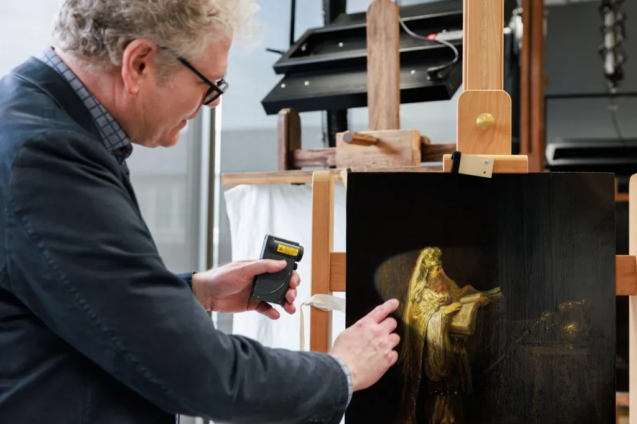
But it resurfaced when its owners presented it for tests at the Rijksmuseum in Amsterdam, which undertook a two-year examination.
"When I saw it in our studio when it was restored, I was immediately struck by the incredible power it has," Rijksmuseum director Taco Dibbits said.
The Rijksmuseum receives many emails from people asking for information about paintings they have inherited or bought, Dibbits said. In this case, they knew it could be something special.
"It came to us via email and one of our curators thought, this is really an interesting image, we've known about the painting for over 100 years but we've never seen it."
The museum confirmed the authenticity after studying the paints, which fit with those used by Rembrandt during that period, and the painting technique and build-up of layers, which are also comparable with his other early works.
'Dedicated his soul to it'
The signature is original and the wooden panel dates from the correct period, the researchers said.
"Materials analysis, stylistic and thematic similarities, alterations made by Rembrandt, and the overall quality of the painting all support the conclusion that this painting is a genuine work," the gallery said.
The painting has all the hallmarks of Rembrandt at the "peak" of the early part of his career, Dibbits said.
"It's very high quality. Sometimes with Rembrandt's portraits you feel that he's producing in quantity, but with this painting you really feel that he dedicated his soul to it."
The museum will put the painting on public view from Wednesday.
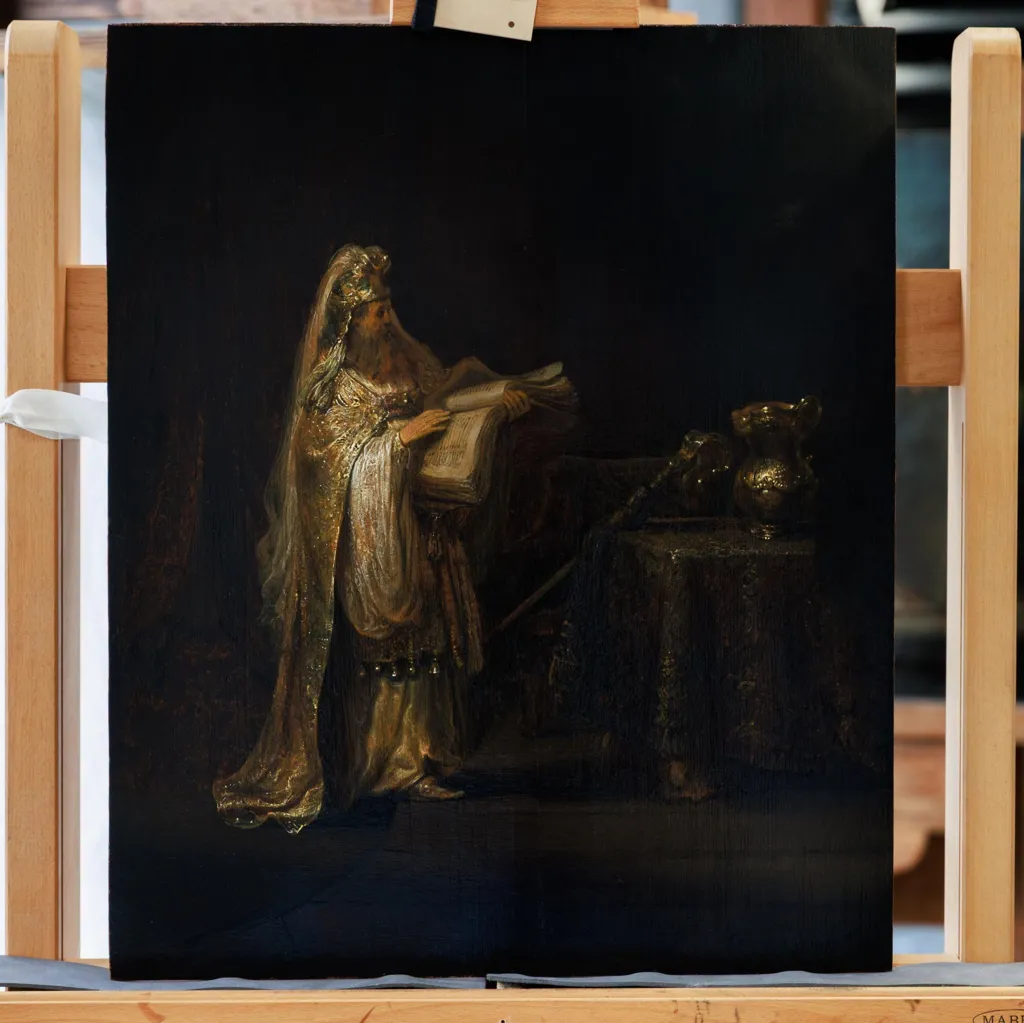
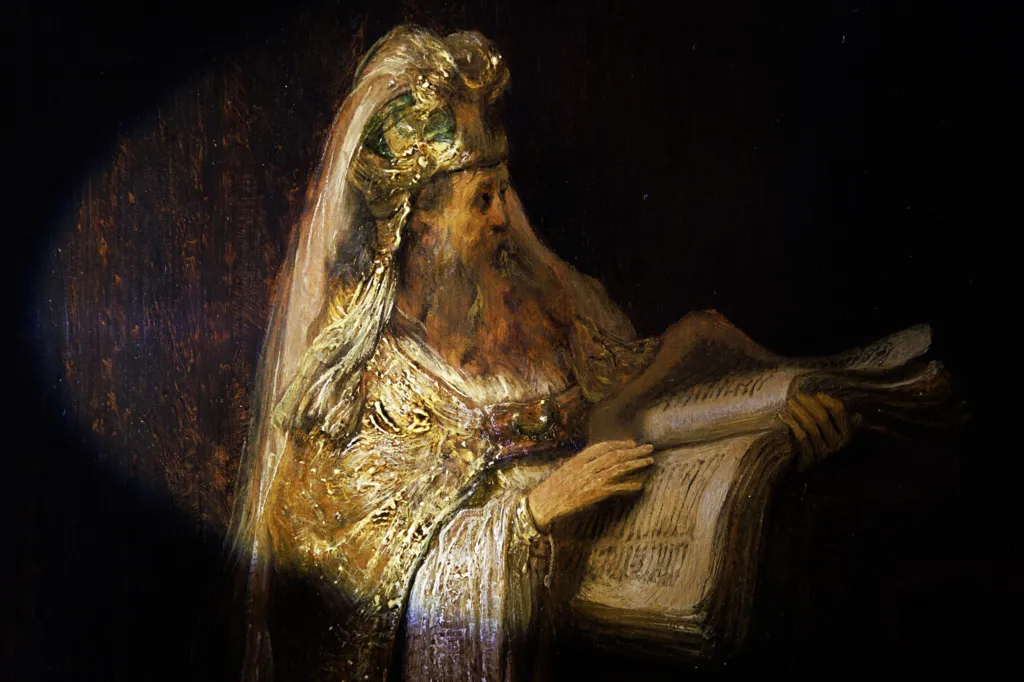
Rembrandt was 27 when he created the painting, which depicts the Biblical scene when high priest Zacharias is told by the Archangel Gabriel that despite their age, he and his wife will have a son, John the Baptist.
The museum said Rembrandt had given the Biblical story an innovative twist. Instead of depicting the Archangel Gabriel visibly, he only suggested his presence. In doing so, he departed from established visual traditions and introduced a new way of representing this subject.
Rembrandt deliberately chose the decisive moment, just before Gabriel reveals his true identity.
It is one of the few history paintings Rembrandt created during this period. At the time, he was primarily producing portraits, which were highly lucrative.
Latest Stories
-
GAEC must retain nuclear scientists for Ghana’s nuclear ambitions – Minister
12 minutes -
Man reportedly mistaken for game and shot by hunter dead in forest
14 minutes -
19-year-old mason jailed 15 years for defiling seven-year-old pupil
19 minutes -
Ghana’s banking sector assets rise 20.47% to GH¢500.2bn – BoG Governor
23 minutes -
22 injured as Sprinter bus overturns at Sege after tyre burst
24 minutes -
UN housing expert urges Ghana to strengthen Rent Control Department amid housing affordability concerns
33 minutes -
Delta-BCI partnership reaches 166,000 people with breast cancer education
42 minutes -
Power restoration fault suspected in Kumasi Central Market fire
6 hours -
The 7-foot giant of Ngleshie Amanfro: Seven-foot Ghanaian Ephraim Saawa dreams of joining the national basketball team
7 hours -
Government promises support for Kumasi Central Market fire victims
7 hours -
Vibes The Movie: Big Ghun’s Ghanaian film earns five nominations at 2026 REFFA
7 hours -
‘I’m a fulfilled man’—Justice Korbieh on missing out on Supreme Court despite two nominations
7 hours -
MamaCare CEO warns unresolved conflicts among health workers could undermine maternal and neonatal care
8 hours -
Health professionals urged to translate medical knowledge into practice to save mothers
8 hours -
Retired judge Justice Francis Korbieh charges 1,568 new lawyers to uphold integrity
9 hours