

Audio By Carbonatix
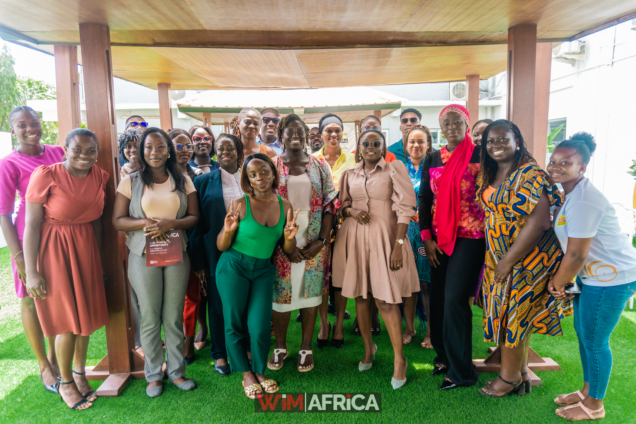
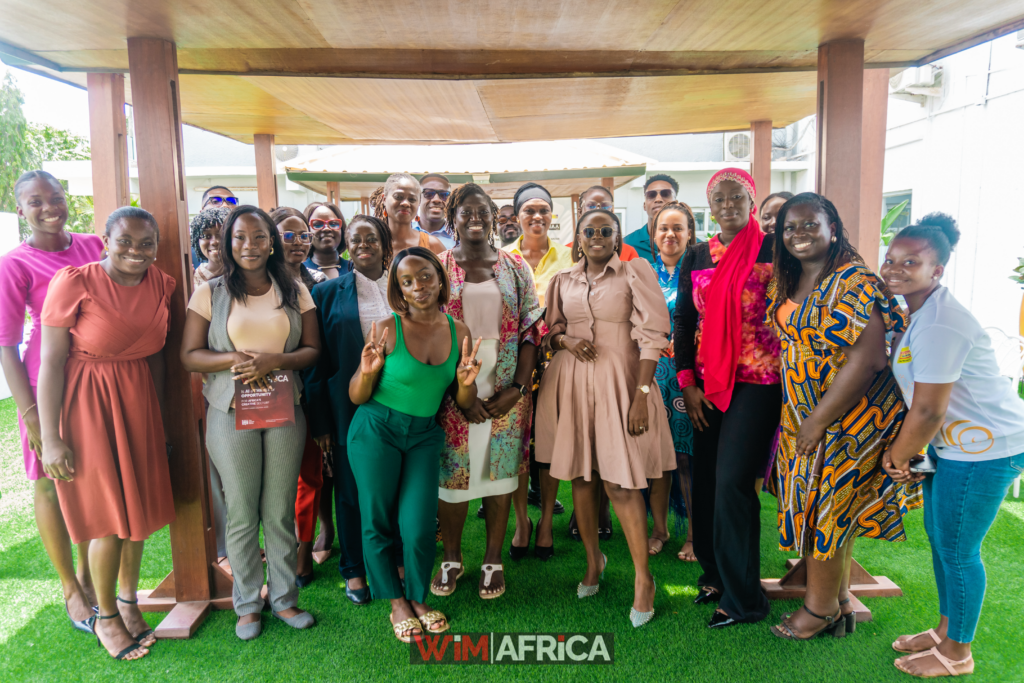
Women in Marketing Africa (WiM Africa) has successfully held the first-ever Real Talk Debate on AI in Ghana at the MullenLowe Accra offices.
Titled "Is AI a Threat or Opportunity for Africa’s Creative Sector?", the event brought together leading industry voices and an across-sector group of delegates to explore how artificial intelligence is transforming the marketing landscape across Africa.
With Rashida Musa-Founder and CEO of rAIma.oi, Sylvia Appiah-CEO and Lead Consultant at Information Governance Solutions and Mariam Agyeman-Buahin, a brand marketing and fintech consultant, serving as speakers, the debate delved into a wide range of topics from the need for responsible and ethical Artificial Intelligence (AI) use to the need to tell Africa’s own stories.
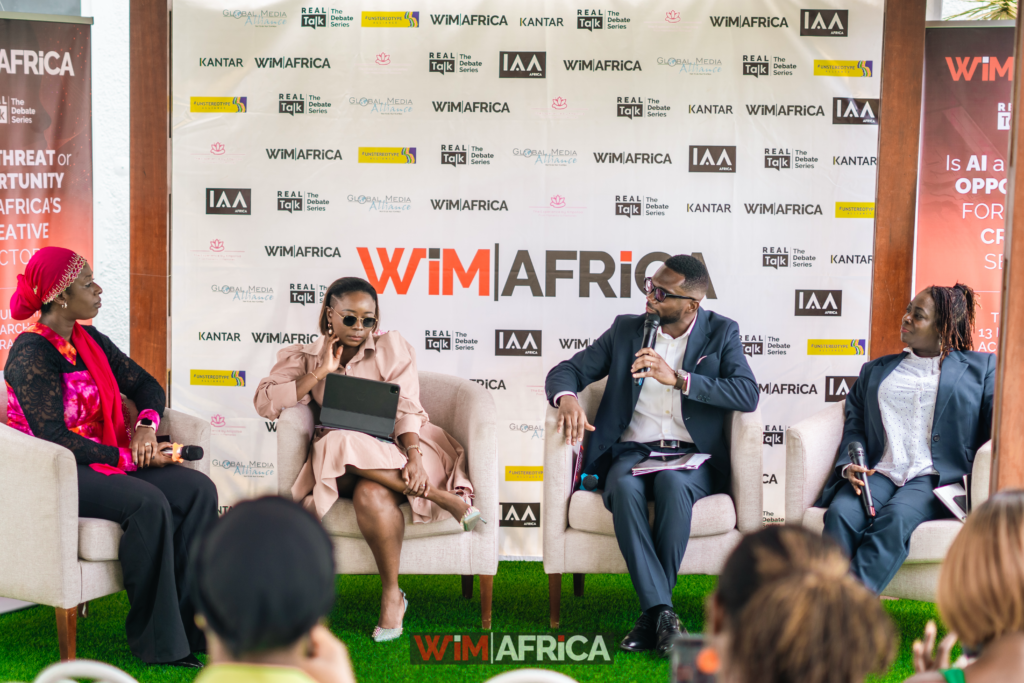
Collectively, facilitators noted that while AI offers tremendous opportunities - such as turning month-long campaign ideation into week-long turnarounds - it also presents challenges, particularly around biased data and the potential impact on jobs.
Emphasising the urgency of continuous learning in an evolving job market, the discussion also touched on the rise of the gig economy and the future reformation of marketing teams.
Key takeaways from the event included:
- The necessity of scrutinizing the fine print when engaging with AI tools.
- A call for African organizations to develop their own GPTs to tell authentic stories.
- Insights into how AI can drive efficiency, innovation, and diversity in marketing, despite concerns about bias and misinformation.
A live poll during the debate revealed that an overwhelming 93% of the audience viewed AI as an opportunity, while only 7% saw it as a threat.
In addition, a word cloud generated during the session captured themes such as “opportunity,” “innovation,” “diversity,” “efficiency,” and “data” alongside cautionary notes on “bias” and “fake.”
A highlight of the event was the engaging interview with Emma Wenani, Chief Director at the Global Media Alliance, who provided an in-depth look at the use of AI within the PR and media sectors and shared how her organisation is integrating these tools to enhance business operations.
She argued that although AI has made work easier and faster, users ought to refine the information received from AI systems to maintain authenticity.
Concluding, Head of WiM Africa, Andrea Djan-Krofa admitted the potential of AI to positively impact various industries and charged all present to leverage AI in an ethical manner.
“We are at a pivotal moment where technology meets creativity,” said Ms. Djan-Krofa, Head.
“The debate did not only underscore the enormous potential of AI but also reminded us of our responsibility to use it ethically, ensuring that our narratives remain authentic and inclusive,” she said.
Latest Stories
-
SSNIT increases stake in Societe Generale Ghana to 24.36%
9 minutes -
Africa cannot rely on government budgets alone to finance climate ambitions – Deputy Finance Minister
30 minutes -
COMAC gives Finance Ministry 14 days to suspend implementation of Section 136 of Customs Act
30 minutes -
WhatsApp introduces optional parental controls for teenagers
32 minutes -
Afoko could help Bawumia pursue ‘clean break’ ahead of 2028 – Dr Amakye-Boateng
34 minutes -
Global Capacity Hub conference connects Ghanaian businesses to technology, investment opportunities in London
41 minutes -
Overcharge passengers and face sanctions, GPRTU warns drivers
44 minutes -
Government seeks $165m to complete operational phase of Boankra Integrated Logistics Terminal
54 minutes -
‘Show us the evidence’ – Upper West teachers demand proof of arrears payments
1 hour -
GH¢1 D-Levy suspension will offer relief to fuel consumers – COPEC
1 hour -
Youth Olympic Games in Africa: policy, regulation, and perspectives on shaping youth lives
1 hour -
Contractors move to site for construction of 120-bed trauma hospital in Bole – Kwakye Ofosu
1 hour -
Poor institutional leadership hindering Ghana’s creative industry – Oscar Provencal
1 hour -
CSA demands faster sharing of cyber threat intelligence among financial institutions
2 hours -
CSA warns Ghanaians to verify money requests as AI makes online fraud harder to detect
2 hours