

Audio By Carbonatix
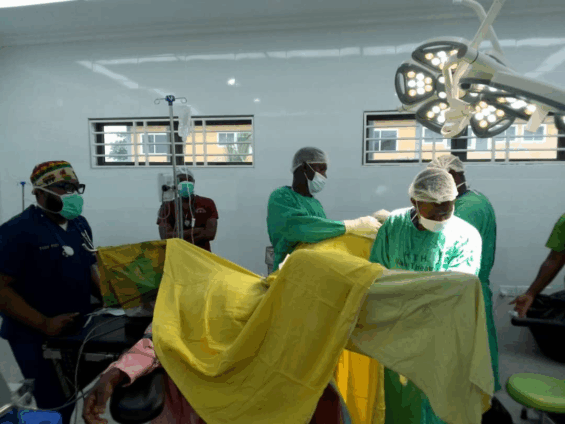
In a move to restore dignity to women living with obstetric fistula, Ghana has launched a nationwide initiative offering free surgeries in five major hospitals.
The initiative, led by the Partnership to End Fistula in Ghana (PEFIC), aims to eliminate one of the most debilitating childbirth-related conditions by providing comprehensive care and reintegration support to survivors.
The designated hospitals now offering free fistula repairs include Komfo Anokye Teaching Hospital (Kumasi), Ho Teaching Hospital (Volta Region), Tamale West Hospital (Northern Region), Mercy Women Catholic Hospital (Central Region), and Upper West Regional Hospital.
The announcement was made by Dr. Wilfred Ochan, Country Representative of the United Nations Population Fund (UNFPA), during a commemorative event on May 23 at Ho Teaching Hospital marking the International Day to End Obstetric Fistula.
“This year, we decided to take the conversation out of the conference rooms and into clinics and communities,” Dr. Ochan emphasized, underscoring the need to confront the stigma and isolation that fistula survivors endure.
Obstetric fistula, caused primarily by prolonged or obstructed labour, results in a hole between the birth canal and the bladder or rectum, leading to uncontrollable leakage of urine or faeces.
Beyond the physical trauma, affected women often suffer severe psychological and social rejection ,many lose their babies, are abandoned by spouses, and are excluded from basic social activities.
Restoring Hope, One Surgery at a Time
PEFIC, officially launched in December 2023 by former First Lady Rebecca Akufo-Addo, has rapidly grown from seven founding partners to 18 institutions.
These include ministries, health facilities, international organizations like WHO and WFP, and private sector players such as Fidelity Bank, Access Bank, and AT (formerly AirtelTigo).
Non-governmental organizations such as Qatar Charity and MCAM are also contributing significantly to the campaign.
Qatar Charity is building a shelter for fistula patients in Yendi, providing a safe space for recovery and reintegration.
At the same time, the Ministry of Gender, Children and Social Protection is constructing a new surgical theatre in Tamale to support the increased demand for repairs and improve access to quality care in the Northern Region.
The estimated cost per patient around $700 covers transportation, surgery, and two weeks of recovery care.
While the Ghana Health Service provides the clinical workforce and infrastructure, other partners support with logistics, public education, and infrastructure projects.
“It's not just about performing the surgery,” Dr. Ochan noted. “We must ensure each woman is transported safely, given a place to heal, and supported to rejoin her family and community.”
From Donor Dependency to National Ownership
What began with a modest $60,000 in donor support has evolved into a nationally-owned, multi-sectoral campaign.
Ghana’s move toward self-sufficiency is a beacon of hope for countries battling similar maternal health challenges.
With skilled delivery care now covering 87-88% of births in health facilities, the nation is making visible strides but challenges remain.
Ghana’s maternal mortality rate stands at approximately 310 deaths per 100,000 live births, and for every death, about 20 women suffer serious complications many of which are preventable, like obstetric fistula.
How to Access the Free Surgery
Women in need of fistula repair can contact the following hospitals:
Komfo Anokye Teaching Hospital (Kumasi) – 057 020 2800
Ho Teaching Hospital (Volta Region) – 027 939 0179
Tamale West Hospital (Northern Region) – 027 701 3270
Mercy Women Catholic Hospital (Central Region) – 027 523 2127
Upper West Regional Hospital – 055 849 6307
A Future Free of Fistula
With this new campaign, Ghana is not only treating a condition it is restoring dignity, empowering women, and setting a global example.
“We’ve moved from dependency to sustainability,” said Dr. Ochan. “This is what national commitment to maternal health looks like.”
As the country accelerates efforts to eradicate obstetric fistula by 2030, the collaboration between government, civil society, the private sector, and international agencies marks a hopeful turning point in the lives of thousands of women.
Latest Stories
-
Ghana’s mining deaths fall sharply, but Chamber insists ‘three deaths are too many’
1 hour -
Tatale Sanguli officials destroy expired food products, warn traders
1 hour -
Police arrest two watchmen over alleged defilement of 14-year-old student
2 hours -
The woman behind General Mosquito: Could Ghana be meeting its next First Lady?
2 hours -
Court remands man over alleged Labone bank robbery attempt
2 hours -
Supreme Court to rule on injunction application on legal vacation today
2 hours -
Tamale Metropolitan Assembly distributes 10,000 bags of fertiliser to farmers
2 hours -
TUSAAG suspends strike, resumes work after renewed talks with government
2 hours -
PIAC marks 15 years of oil revenue accountability and transparency
2 hours -
Adongo calls for non-political interference in $1.46bn Heritage Fund review
2 hours -
FDA records GH¢70m surplus in 2025 amid concerns over ageing lab equipment
2 hours -
Arise Ghana demands stronger commitment to end galamsey
2 hours -
96% of Ghanaian pensioners willing to work beyond retirement age – Study
2 hours -
Ghana gets nuclear power plant simulator
2 hours -
Temporary Akosombo power control facility to be ready by September – Energy Ministry
2 hours