

Audio By Carbonatix
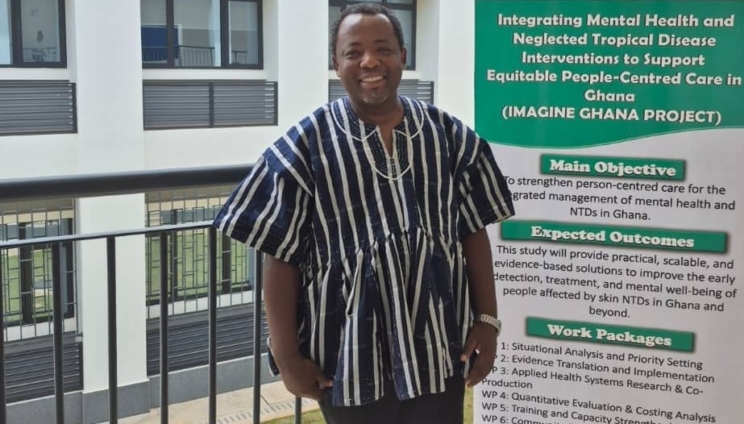
The Director of the Centre for Neglected Tropical Diseases Research at the Institute of Health Research, Dr Alfred Kwesi Manyeh, has called for urgent structural reforms within Ghana’s health system to integrate mental health into the treatment of skin-related Neglected Tropical Diseases (NTDs).
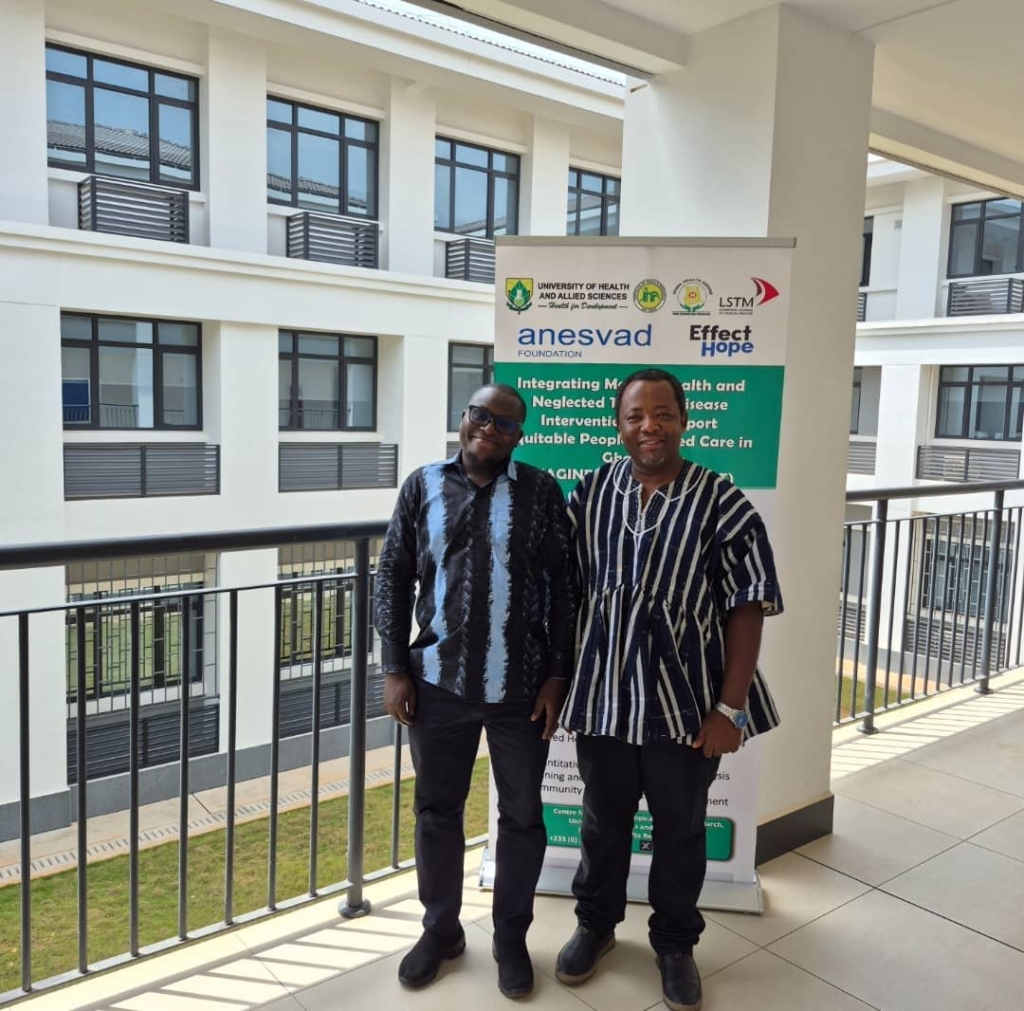
Speaking during a multi-stakeholder engagement under the IMAGINE GHANA Project at the University of Health and Allied Sciences (UHAS) in Ho in the Volta region on February 25, 2026, Dr Manyeh revealed that although both mental health and NTD programmes operate under the Ghana Health Service, they largely function independently.
“If a patient presents with a skin NTD, the physical condition is treated, but their mental health status is often not assessed,” he explained. “Yet these diseases come with enormous psychosocial pain, stigma and emotional distress.”
According to Dr Manyeh, a baseline study conducted across pilot districts uncovered clear policy and implementation gaps:
-Mental health policies do not include skin NTD management.
-NTD master plans do not incorporate mental health assessment or support.
This disconnect, he noted, weakens treatment outcomes and limits person-centred care.

“We cannot continue working in silos. Health service delivery must address the whole person — not just the visible symptoms,” he stressed.
To address these gaps, the project convened stakeholders from national to district levels, including the Ministry of Health, Mental Health Authority, NTD Programme, Ministry of Environment Science and Technology and affected communities, to review findings and jointly design an integrated intervention.
The project is being implemented by the University of Health and Allied Sciences in collaboration with the Liverpool School of Tropical Medicine and supported by development partners.
Currently being piloted in Ho, Hohoe, Ellembelle and Bole, the four-year initiative aims to produce an integrated assessment tool that can be scaled nationwide.
Dr Manyeh pointed out that similar implementation research has only been conducted in Liberia within Africa, positioning Ghana as the second country on the continent to undertake such an initiative.
He believes the project could reshape national health policy and serve as a model for integrated NTD–mental health care across the region.
“If we succeed,” Dr Manyeh noted, “any patient who walks into a health facility in Ghana with skin NTD will receive both physical and mental health assessments as part of routine care.”
Latest Stories
-
Ecobank Junior Saver Big Pitch to reward 10 winners with GH¢2,000 each
10 seconds -
AMA demolishes unauthorised pigsty obstructing Agbogbloshie waste evacuation exercise
27 seconds -
I was filled with disbelief – Akosua Achia Sarpong Esq. shares her first reaction
1 minute -
Snake Village: A look at Volta Region’s hidden snake village and its tourism potential (Video)
8 minutes -
Election Watch Ghana calls for constitutional reforms to strengthen Electoral Commission independence
11 minutes -
NACOC, Postal and Courier Services Regulatory Commission intensify efforts to curb drug trafficking
12 minutes -
Ga Mantse chairs committee to drive Accra Green and Clean City Initiative
14 minutes -
Drivers threaten to remove traders from lorry stations over TrafficTech concerns
17 minutes -
AI could create 10 to 20 times more jobs despite current recruitment slowdown – Hubtel CEO
19 minutes -
Sexual abuse in schools persists because perpetrators are not held accountable – Dr Nyarkoa
27 minutes -
Chief Justice has designated Achimota Court to handle petroleum diversion cases – NPA CEO
30 minutes -
Philip Nai and friends gear up for bigger seventh Christmas outreach
31 minutes -
GSA strengthens electricity meter testing to protect consumers and improve energy reliability
32 minutes -
‘Dismissed or suspended? Ghanaians deserve clarity’ – NPP demands clarity on Ampofo Ankrah’s fate
36 minutes -
Teach consent and sexual boundaries from pre-school to prevent abuse – Gender advocate
41 minutes