

Audio By Carbonatix
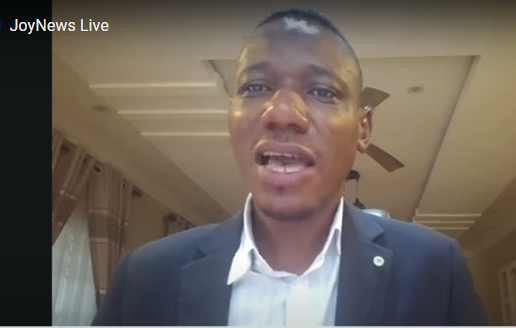
A senior lecturer at the University of Ghana Business School (UGBS), Dr Jabir Ibrahim Mohammed, has expressed strong support for the government’s labour export programme, describing it as a strategic measure to reduce unemployment and bolster Ghana’s economic growth.
The initiative, which will see the first deployment of 2,000 skilled Ghanaian workers abroad, forms part of a wider government plan to create sustainable employment opportunities both domestically and internationally, according to the Minister for Labour, Employment and Jobs, Rashid Pelpuo.
Speaking on Joy News’ AM Show, Dr Jabir emphasised the importance of a structured and well-regulated labour migration framework to safeguard migrants and maximise economic benefits.
“Migration has long been a pursuit for many Africans, driven by the hope of finding greener pastures. However, when unregulated, this journey often leads to deportation or, tragically, even loss of life,” he explained.
He highlighted that, when properly managed, labour migration offers significant advantages not only to the migrants themselves but also to their families and the wider economy.
“Remittances sent home by migrants provide crucial support for housing, education, healthcare, and business development, all of which contribute substantially to economic growth.”
Dr Jabir praised the recent collaboration between the Ministry of Employment and the Youth Employment Agency (YEA), which has formalised agreements to export skilled Ghanaian labour to countries facing labour shortages.
“This partnership introduces much-needed stability and ensures a reliable infrastructure is in place to manage labour export effectively.”
Expanding on the economic impact, he noted: “By increasing net factor income from abroad, the export of skilled labour directly contributes to the country’s GDP. Additionally, this inflow strengthens the current account balance and increases national savings.”
He highlighted the wider fiscal benefits of the initiative.
“Greater savings enable the government to better finance budget deficits, making well-managed labour export a critical element of Ghana’s long-term economic development. It is about building a sustainable system that benefits the entire nation, not merely sending workers overseas.”
Dr Jabir emphasised that the labour export initiative not only reduces unemployment but also drives economic growth by increasing remittances and strengthening government finances, making it crucial for Ghana’s future prosperity.
Latest Stories
-
Afreximbank, GIIF and 24-Hour Economy Authority pact marks real progress toward 24-hour economy agenda – Amo Agyapong
9 minutes -
IMANI, Local Government Ministry discuss reforms on sanitation, local revenue and urban infrastructure
21 minutes -
Ghana’s international reserves drop to US$11.04 billion in August as BoG pushes for significant build-ups in coming months
21 minutes -
Four years enough for any government to deliver – IEA rejects five-year term
25 minutes -
‘The most important players are here’ – Queiroz shrugs off Ghana’s injury crisis
39 minutes -
Ayariga pledges stakeholder-led approach to Nzema, Kokomba Market redevelopment
43 minutes -
Professional collaboration is key to Ghana’s land and property development – Western Regional Minister
50 minutes -
‘When you play Ghana, it’s a derby’ – Kessié sets tone for AFCON qualifying showdown
52 minutes -
Mahama urges global institutions to invest in Africa’s cultural infrastructure
58 minutes -
Kuami Eugene joins UNICEF Ghana to promote universal birth registration
1 hour -
Renard warns Côte d’Ivoire against complacency Ahead of Ghana clash
1 hour -
‘Can the patient feel the difference?’ – GMTF boss challenges health leaders
1 hour -
Office of the Registrar of Companies marks Risk Awareness Week with push for risk-smart, resilient institution
1 hour -
Full text: Mahama’s speech at high-level side event on return and restitution of cultural properties and heritage
1 hour -
ICU urges Ghanaian smock weavers to scale up production for local and export markets
1 hour