
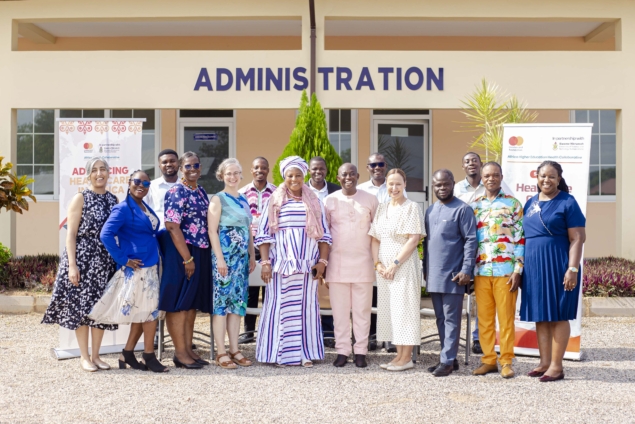

Audio By Carbonatix
Ghana’s healthcare system cannot achieve true universal health coverage without prioritizing quality alongside facility expansion and workforce growth, Deputy Executive Director of the Christian Health Association of Ghana (CHAG), Dr. James Duah, has said.
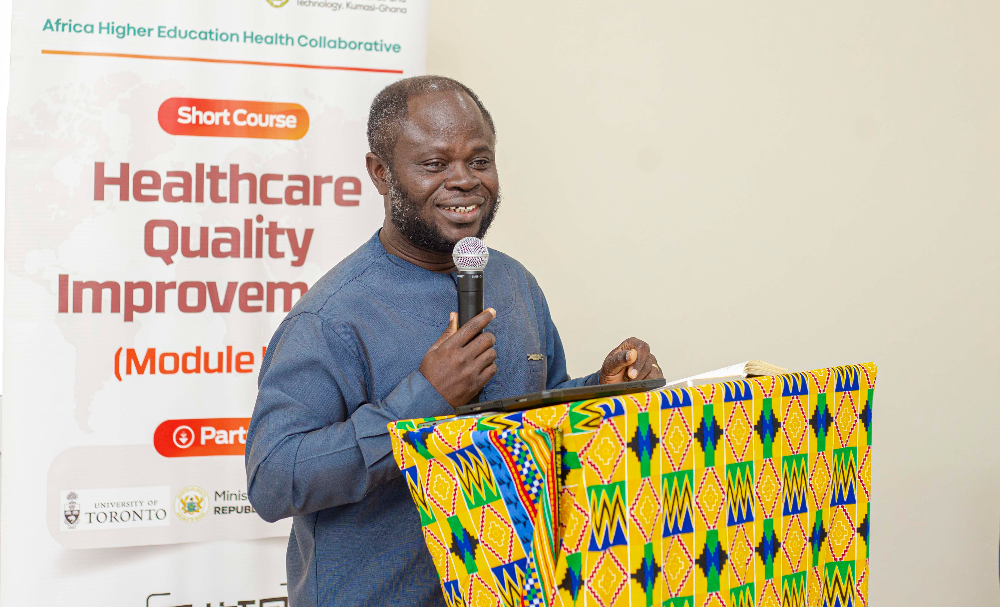
Speaking at the opening of the Quality Healthcare Improvement short course under the Africa Health Collaborative-KNUST in partnership with the Mastercard Foundation, he noted that “while building facilities and training more doctors and nurses expands coverage, there can be no coverage without quality.”
Twenty health personnel across the country are receiving training in quality healthcare improvement under the Africa Health Collaborative.
The quality healthcare improvement short course, delivered in partnership with the Kwame Nkrumah University of Science and Technology (KNUST) and the University of Toronto, aims to equip participants with the knowledge and tools to address the growing demand for primary healthcare and strengthen service delivery at the facility level.
The course is spearheaded by the Health Employment Pillar of the Collaborative, led by Dr. Kofi Akohene Mensah.
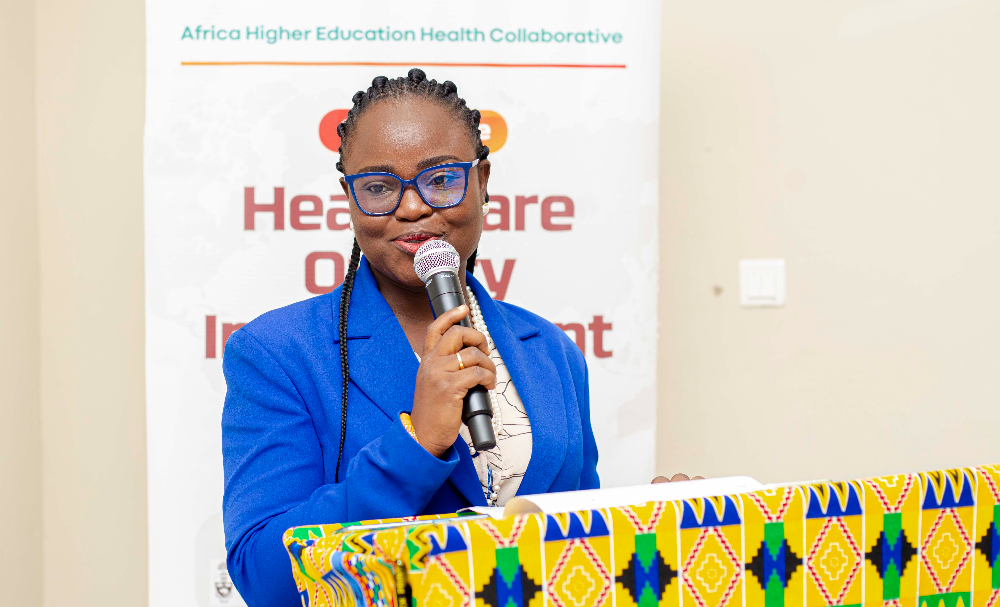
At the opening ceremony, International Liaison Officer for the Collaborative, Dr. Princess Ruhama Acheampong, emphasized the broader vision of the initiative.
“This is about advancing healthcare in Africa,” she said. “Even from our small communities, we can contribute meaningfully to improving health systems across the continent.”
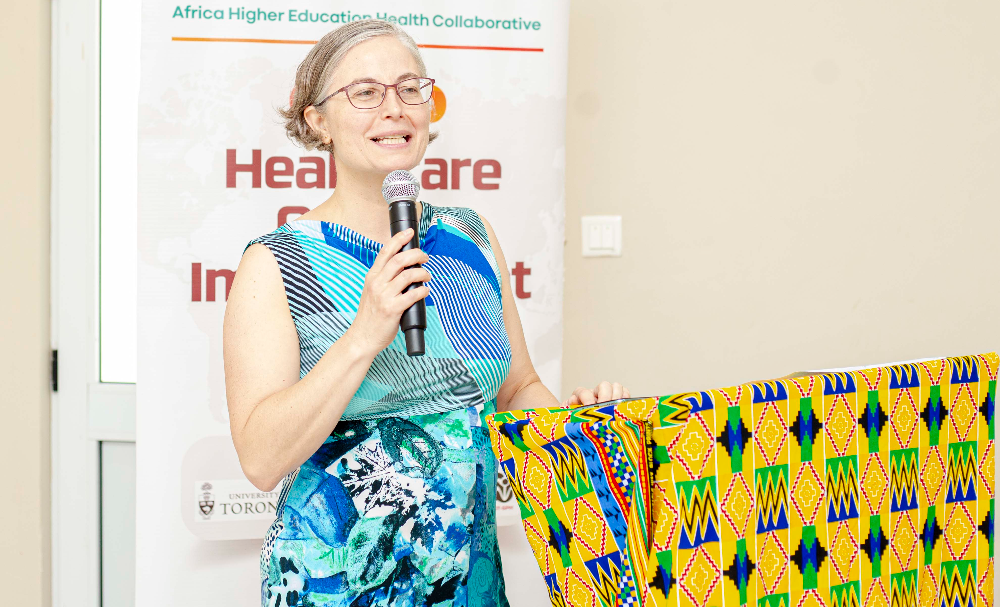
Leader from the University of Toronto team, Dr. Margarita Lam Antoniades reiterated the commitment to system-wide change through collaboration.
“We are very committed to strengthening the primary healthcare system in a way that strengthens the whole health system,” she said. “This course is designed not just for learning, but for active participation and practical problem-solving.”
The facilitators encouraged participants to build networks, refine their project ideas, and cultivate a “quality improvement mindset” that will guide their work beyond the course.
Dr. Jennifer Wilson of the University of Toronto’s Department of Family and Community Medicine highlighted the strong partnership between Ghanaian and Canadian institutions.
“This work is grounded in the needs identified by Ghanaian stakeholders. There are no outside agendas, this is what Ghana says Ghana needs,” she noted, adding that the collaboration has already reached over 350 participants across Ghana and is gaining international recognition.
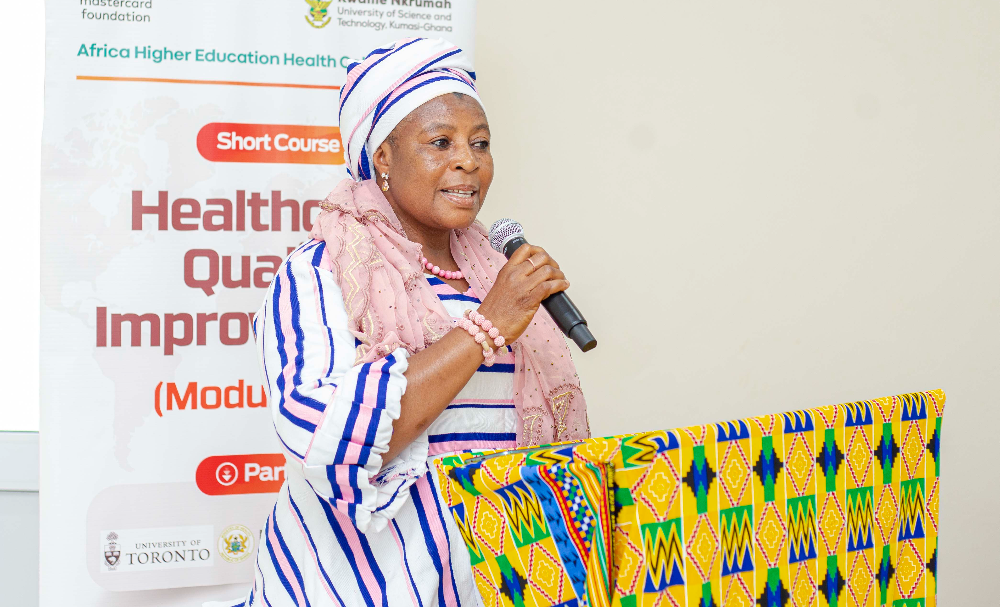
The Bole District Health Director, Hajia Fuseina Sulemana, commended the program’s impact on rural healthcare delivery.
“People travel long distances to Leyaata Hospital Hospital because of the quality of care,” she said. “We are grateful to host this training in the Savannah Region and hope more staff from our facilities will benefit in the future.”
Latest Stories
-
“We are one house – let’s settle this at home” – Atomaase Royal family calls for unity, rallies behind Twafohene
39 minutes -
The Missing Middle and the Overlooked Small: Why Ghana Must Serve Both the ‘S’ and ‘M’ in MSME’s
52 minutes -
Mahama returns from Angola after AU extraordinary summit
1 hour -
Ghana qualifies for quarterfinals of Africa Volleyball Nations Cup after beating Zambia
2 hours -
WAFU B WCLQ: Ampem Darkoa Ladies come from behind to beat Edo Queens
2 hours -
Photos: National Youth Authority Festival
2 hours -
Bawumia commissions St Jude’s Catholic Church he funded to completion at Weija
2 hours -
Government defends new beer exercise rates; sliding scale has not been abolished
2 hours -
Bolgatanga Assembly denies blanket ban on events beyond 8pm
3 hours -
Photos: Ghana Immigration Service removes 1,055 street beggars from Accra, Kumasi streets
3 hours -
‘He always comes to our aid’ – Fr. Campbell recounts Bawumia’s support for Church, poor
3 hours -
Remittances drop marginally year-on-year to US$3.65bn in half-year 2026
3 hours -
T-bills: Government exceeds target by 139%, interest rates tumble
3 hours -
Why Chelsea need more than a new goalkeeper to be title challengers
3 hours -
Outlook of Ghana’s external sector remains positive for second-half of 2026 – BoG
3 hours