

Audio By Carbonatix
For the past 24 hours, my WhatsApp has been abuzz with messages about Zohran Mamdani — and not just from America. A friend in Paris sent a clip of Mamdani rapping. A German friend forwarded a series of front-page articles from the German press. A friend in Cape Town — where Mamdani once lived — said he was the only thing anyone talked about at the school gate.
The next mayor of New York City has gotten outsized international attention. Today I write about why — and Mamdani’s own very global roots.
Zohran Mamdani’s African roots
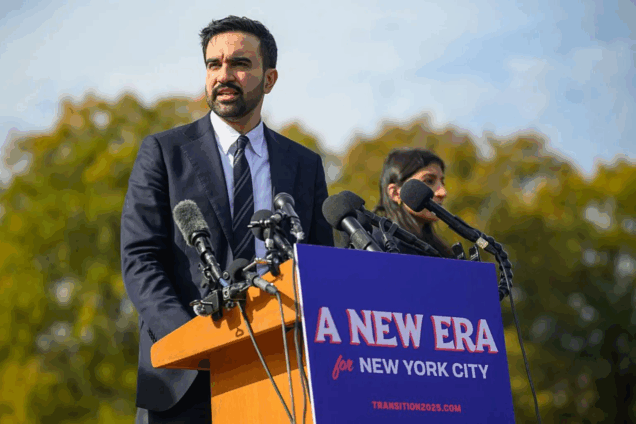
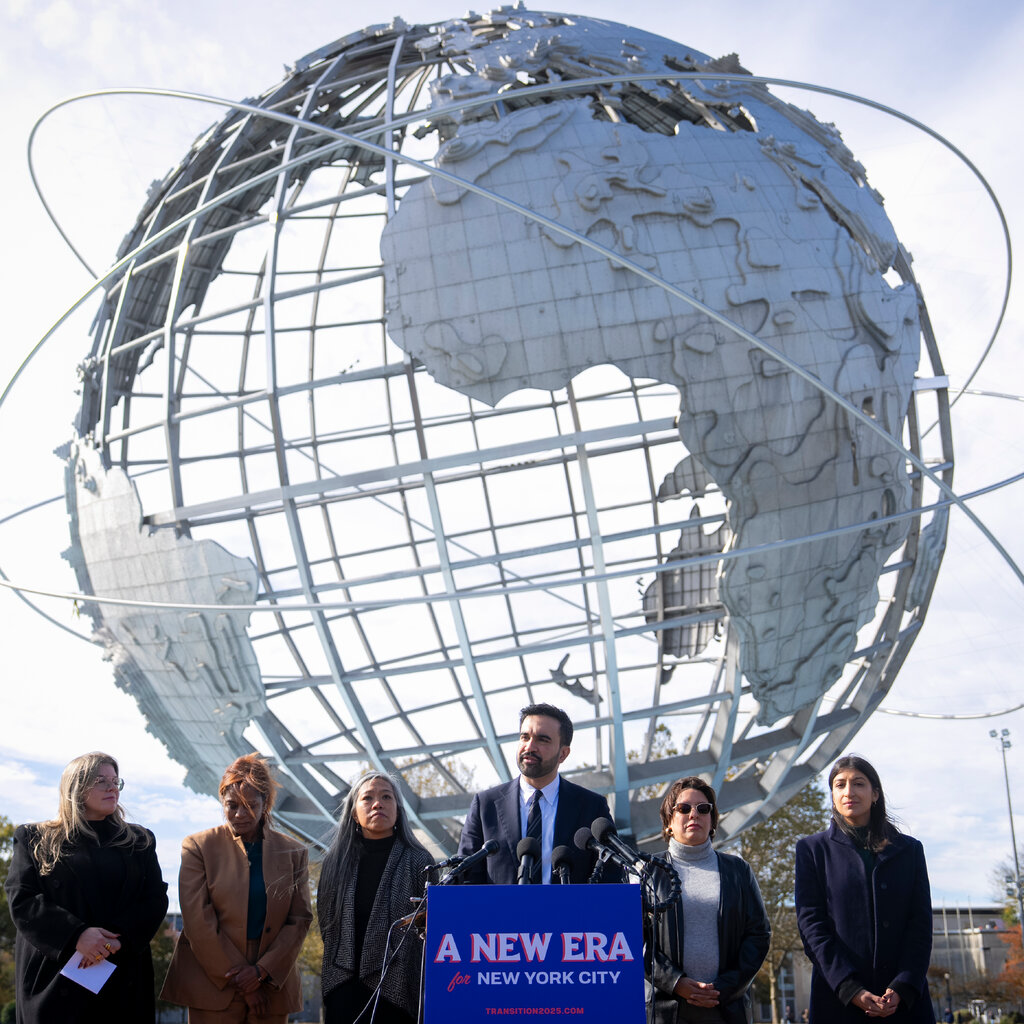
A year ago, hardly anyone knew about Zohran Mamdani. As of this week, he is not just the mayor-elect of New York City but something of a global celebrity for progressives and young people.
Mamdani is charismatic. At 34, he’s a natural at viral video. And he’s a democratic socialist who won in the global capital of finance.
He’s also an immigrant, with family ties to Uganda and India, who will soon occupy the most prominent office in one of the most international cities on the planet.
Mamdani spent most of his childhood in Morningside Heights in Manhattan. But he was born in Uganda to a family of Muslim immigrants from India, and lived there for the first five years of his life.
My colleague Abdi Latif Dahir has been reporting on Mamdani’s roots, talking to people who knew the Mamdani family and knew him as a child. It was in Africa, Abdi told me, that the mayor-elect got his first exposure to the divisive power of wealth and race — forces that still animate his policy agenda and shape his values today.
Privilege in a poor country
The Mamdani family lived in a leafy neighborhood overlooking Uganda’s capital, Kampala, and still owns a house there. (Mamdani recently celebrated his wedding at the property.) His parents are both intellectuals: Mahmood Mamdani taught post-colonial studies at the country’s oldest and most prestigious university; his mother is the filmmaker Mira Nair.
Mamdani has been open about his privileged background, saying he “never had to want for something” as a child. But this privilege emerged from a tense environment.
In Uganda, the South Asian community is wealthier on average than Black Ugandans, and in some cases, spectacularly wealthy. In 1972, the country’s despotic ruler Idi Amin expelled thousands of South Asians, accusing them of disloyalty and economic exploitation. One of them was Mamdani’s father, Mahmood.
We can’t know exactly how that event shaped Mamdani. (Mamdani hasn’t responded to Abdi’s requests for an interview.) “But it’s impossible to ignore its shadow over Ugandan history,” Abdi said.
It’s hard to be Indian in Uganda and not be aware of the strife caused by extreme inequality. Mamdani grew up in a family intimately shaped by the legacy of empire and its racial divisions. His childhood also included a brief stint in South Africa shortly after apartheid.
Once, at his school in Kampala, Mamdani’s teacher asked the Indian students in his class to raise their hands. Mamdani refused. “I am not Indian, I am Ugandan,” he said, according to an account from his father’s book, “From Citizen to Refugee: Uganda Asians Come to Britain.”
Before he was a politician, Mamdani made music with a Ugandan childhood friend. (Check out this clip Abdi sent me if you want a sense of the mayor-elect’s rap skills.) The music explicitly touches on the lingering impact of colonialism in Uganda today.
Reactions around the world
Mamdani’s policy agenda is focused on affordability. He has run on free buses, universal child care, city-owned grocery stores and a rent freeze on some apartments.
He has also campaigned on what my colleague Nicholas Fandos has called an “unapologetically pro-Palestinian platform.”
If his roots and upbringing shaped some of that platform, it’s also worth pointing out that the democratic socialism Mamdani subscribes to is increasingly influential in the Democratic Party. And support for Israel has plummeted across the political spectrum in the U.S. since the war in Gaza.
What’s clear is that Mamdani’s roots have allowed some people around the world, including Bollywood fans in India and young women in Turkey, to see a bit of themselves in him, as my colleague Dionne Searcey reports.
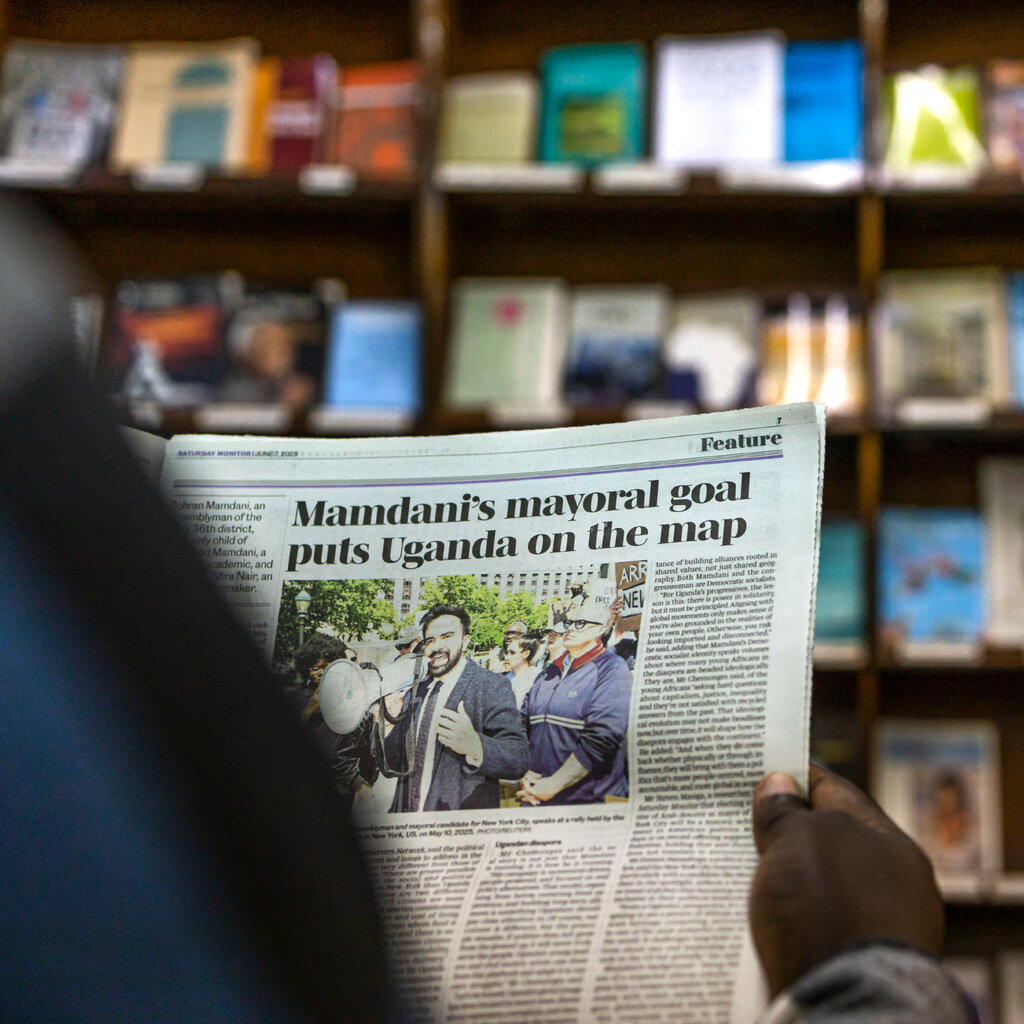
In Uganda, as it happens, few have heard of him. And in Israel, where there have been concerns about Mamdani’s pro-Palestinian advocacy, his victory has generated a strong reaction. “The Big Apple has fallen,” one right-wing lawmaker said. Among Palestinians, his victory was hailed as a milestone.
A handful of international publications have even invoked comparisons to a certain other American political figure with African roots. But unlike Barack Obama, Mamdani was born in Africa — and so he can never run for president.
Latest Stories
-
Constituency Games still a work in progress – Sports Minister
2 minutes -
Team Ghana set for historic Karting Africa Showrun in Angola
6 minutes -
52-year-old South African arrested with suspected heroin after arriving from Accra
19 minutes -
Shatta Wale challenges UPSA students to build entrepreneurial mindsets
53 minutes -
Finance Minister advises African governments to strengthen regional tax cooperation
2 hours -
NPP accuses NDC of master-minding demolition of Ho regional office fence
2 hours -
Ghana plans stronger regional power trade with Nigeria
2 hours -
GRA Commissioner-General calls for stronger tax cooperation to boost regional revenue mobilisation
2 hours -
NACOC needs more personnel to tackle drug trafficking – Toobu
2 hours -
Railway workers resist KMA eviction order, demand consultation
3 hours -
Legacy Leadership Africa Institute to host boardroom women’s leadership programme
3 hours -
Ghana needs a law to sustain constitutional reforms – CDD-Ghana
6 hours -
COVID fumigation audit: Auditor-General has a lot of questions to answer – Akwatia MP
6 hours -
Stranded Ghanaian medical graduates in Cuba appeal to Mahama for immediate return
6 hours -
GNFS contains fire outbreak at Teshie Lekma Road near Lekma Hospital
12 hours