

Audio By Carbonatix
The Jospong Group is demonstrating how Ghana's private sector can successfully transition from carbon market readiness to tangible climate action, according to the General Manager of the Jospong Green Transition Office, Ing. Dr. Glenn Kwabena Gyimah.
Speaking during a World Climate Foundation panel discussion on the sidelines of the COP30 Brasil Amazonia, Belem climate summit on Friday, November 14, Dr. Gyimah revealed how the company has leveraged Ghana's Article 6 framework to drive both environmental and social impact.

"The clarity brought by Ghana's Carbon Market Office and National Authorization Framework transformed carbon markets from a policy discussion into a viable business opportunity," he stated.
He outlined the JGC's significant progress since 2024, highlighting five key implementation milestones.
"We have successfully integrated our project portfolios with Ghana's National Carbon Registry, making our composting, landfill gas recovery, and clean cooking initiatives among the first to be officially tracked in the national system," he explained.
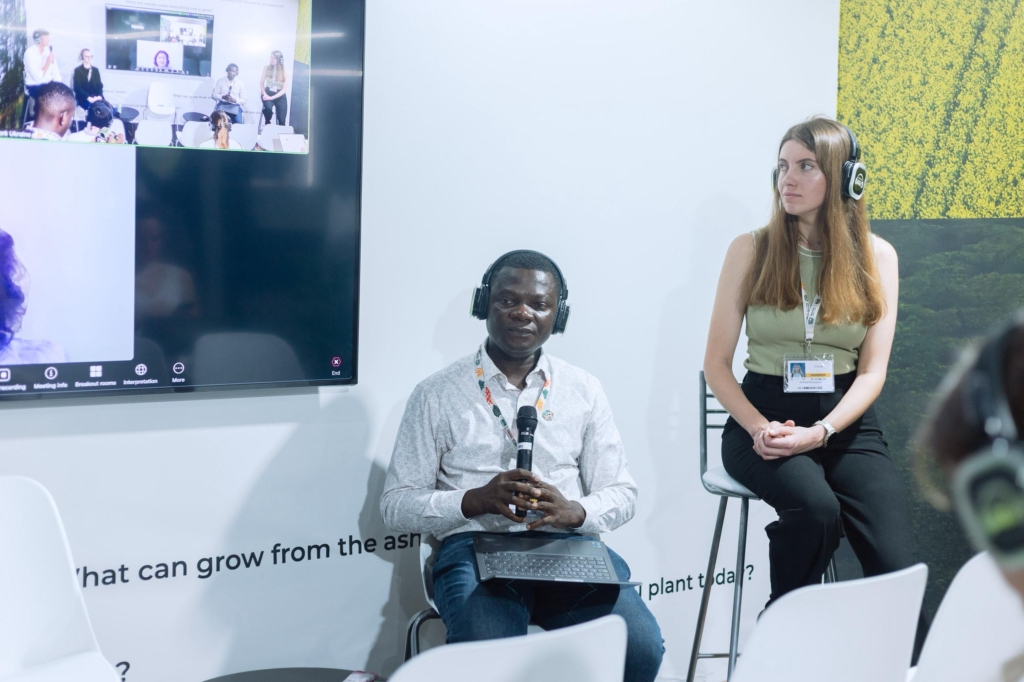
He underscored that Jospong Group's approach goes beyond mere carbon credit generation.
"For us, participation in carbon markets represents a fundamental redefinition of the private sector's role in national development," he noted.
"Every ton of carbon we mitigate must tell a social story – creating green jobs, improving agricultural yields through organic fertilisers, and enhancing urban air quality."
Addressing the practical challenges of implementation, Dr. Gyimah acknowledged initial hurdles but highlighted progressive solutions. "While we faced complex MRV protocols and high verification costs initially, through public-private dialogue we've developed workable solutions that maintain both environmental integrity and investment viability," he said.
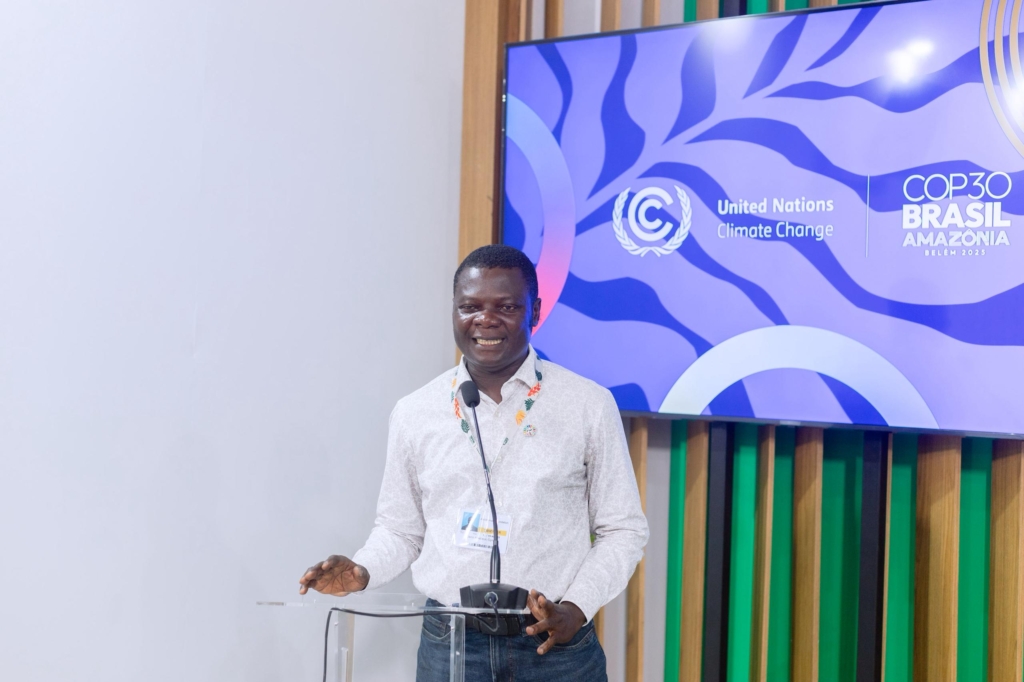
Dr. Gyimah outlined four emerging models that are shaping Ghana's carbon market landscape, stressing particularly the importance of community engagement. "Our community benefit-sharing model ensures that carbon revenue is reinvested in local development – supporting schools, clean water, and reforestation initiatives," he elaborated.
The Jospong executive concluded with a forward-looking perspective, stating, "Our experience demonstrates that when government and business work in synchronization, carbon markets become more than just transaction platforms – they evolve into powerful instruments for sustainable national development and green growth."
Latest Stories
-
Unchecked imports and the Middle East crisis threaten Ghana’s fragile food inflation anchor
15 minutes -
Ecobank Junior Saver Big Pitch to reward 10 winners with GH¢2,000 each
20 minutes -
AMA demolishes unauthorised pigsty obstructing Agbogbloshie waste evacuation exercise
20 minutes -
I was filled with disbelief – Akosua Achia Sarpong Esq. shares her first reaction
21 minutes -
Snake Village: A look at Volta Region’s hidden snake village and its tourism potential (Video)
28 minutes -
Election Watch Ghana calls for constitutional reforms to strengthen Electoral Commission independence
30 minutes -
NACOC, Postal and Courier Services Regulatory Commission intensify efforts to curb drug trafficking
32 minutes -
Ga Mantse chairs committee to drive Accra Green and Clean City Initiative
34 minutes -
Drivers threaten to remove traders from lorry stations over TrafficTech concerns
37 minutes -
AI could create 10 to 20 times more jobs despite current recruitment slowdown – Hubtel CEO
39 minutes -
Sexual abuse in schools persists because perpetrators are not held accountable – Dr Nyarkoa
46 minutes -
Chief Justice has designated Achimota Court to handle petroleum diversion cases – NPA CEO
49 minutes -
Philip Nai and friends gear up for bigger seventh Christmas outreach
51 minutes -
GSA strengthens electricity meter testing to protect consumers and improve energy reliability
52 minutes -
‘Dismissed or suspended? Ghanaians deserve clarity’ – NPP demands clarity on Ampofo Ankrah’s fate
56 minutes