

Audio By Carbonatix
The Ghana Statistical Service (GSS) says more than 1.3 million young Ghanaians were out of work, school, or training in the third quarter of 2025, highlighting persistent labour market pressures and widening skills gaps.
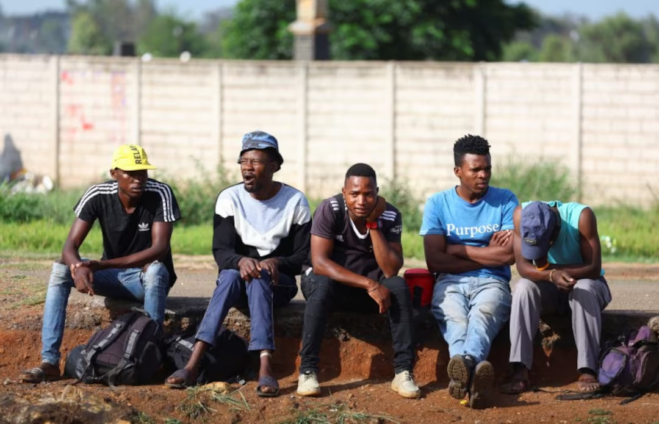
The data show that 1.3 million people aged 15 to 24 — representing 21.5 per cent of the age cohort — were classified as not in education, employment, or training (NEET), raising concerns over youth disengagement from productive economic activity.
The data also highlight sharp regional disparities in youth engagement. NEET rates for persons aged 15 to 35 ranged from a high of 25.3% in the Central Region to a low of 9.5% in the Oti Region, reflecting uneven access to jobs, education, and training across the country.
Labour underutilisation remains a significant concern. About one in five employed persons was underutilised, with the composite labour underutilisation rate holding at 23.0% in the second quarter and slightly rising to 23.4% in the third quarter, showing minimal variation by gender or locality.
GSS noted that underemployment was more pronounced in rural areas, averaging 15.3% in the second quarter and 14.9% in the third, compared with 9.5% and 9.7% in urban centres.
The GSS data also indicate persistent skills and education mismatches in the labour market. In the third quarter, 65.8% of employed persons reported that their skills matched job requirements, while over 10% considered themselves over-skilled—particularly men and urban workers. Conversely, 3.3% reported having skills below job requirements, with the highest shares among men in rural areas.
Education mismatches followed a similar pattern. While 58.4% of workers reported that their education matched their jobs, 8.2% considered themselves overqualified, and 15.7% underqualified, with under-qualification most prevalent in rural areas.
Youth unemployment remains significantly higher than the national average. In the second and third quarters, unemployment averaged 32.5 per cent among persons aged 15 to 24 and 21.9 per cent among those aged 15 to 35. Greater Accra recorded the highest youth unemployment, while Bono East had the lowest, highlighting the concentration of youth joblessness in urban economic hubs.
Latest Stories
-
Arise Ghana demands stronger commitment to end galamsey
33 seconds -
96% of Ghanaian pensioners willing to work beyond retirement age – Study
4 minutes -
Ghana gets nuclear power plant simulator
10 minutes -
GMTF, Atlantic Lifesciences explore local production of cancer and heart medicines
15 minutes -
GHS medical-legal claims hit GH¢400m in three years
21 minutes -
Mahama cautions Ghanaians not to take religious freedom for granted
37 minutes -
We need development pathway, not selection exercise – Sports Minister urges football stakeholders
44 minutes -
Government prioritises foundational learning to improve education outcomes
50 minutes -
Ghana, Côte d’Ivoire deepen maritime security cooperation through joint boundary inspection
56 minutes -
Three-hour rainfall exposes poor drainage system in Kadjebi
1 hour -
Ghana, China push AI innovation in healthcare
1 hour -
Give young people skills and the systems to create jobs
1 hour -
Food inflation never responded – Dr Yamson says Ghana must stop throwing money at short-term fixes
2 hours -
Oil set for second weekly rise as unsettled US-Iran war crimps supply
2 hours -
US teen drops lawsuit against Meta, Google and Snap ahead of trial
2 hours