

Audio By Carbonatix
Ciudad de la Paz officially became the new capital of Equatorial Guinea following the publication of a presidential decree on Saturday, January 3. The RFI, a state-owned international radio news network of France, reported
According to the authorities, the abandonment of the historic capital, located on an island, should enable Malabo to be relieved through a rebalancing of national territory development and a more equitable distribution of public services.
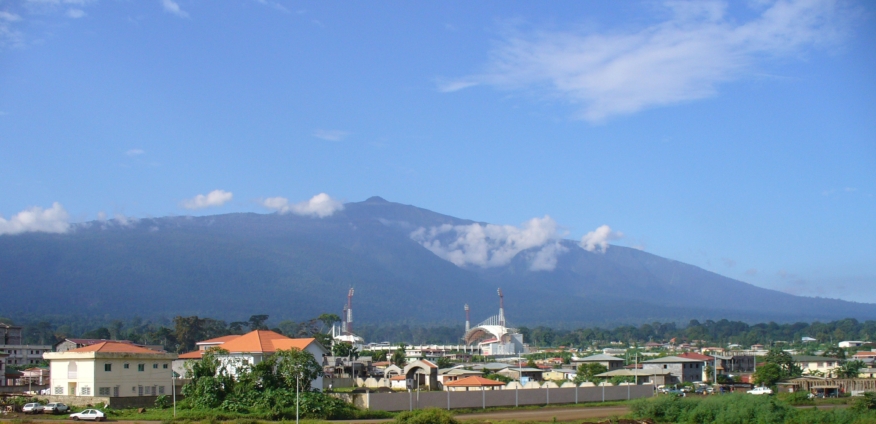
Two modern towers in the middle of the equatorial forest, a presidential palace and buildings coming out of the ground: welcome to Ciudad de la Paz, the new capital of Equatorial Guinea since Saturday, January 3.
Launched in 2008, under the leadership of President Teodoro Obiang, who has been in power for forty-seven years, the initiative aims to respond to a strategic choice: according to the authorities, it is a question of turning the page on a historic capital considered too isolated and bringing the state closer to the citizens.
Landlocked on the island of Bioko, Malabo is only accessible by plane or boat, while the Equatorial Guinean population is increasing and the country's activity is also focused on the continent, especially in Bata, its economic capital.
A new capital built on oil revenues
Located in the middle of the forest, in the eastern province of Djibloho, near the airport of Mengomeyén, the new capital was long called Oyala before being renamed Ciudad de la Paz (“City of Peace” in French).
The ambition for it is considerable since it is, after all, to build a modern metropolis that can accommodate 200 000 inhabitants and house all government institutions, while for the moment, infrastructure remains limited.
While the city already benefits from several must-have buildings in a capital - a university and a hospital in particular - its population and dynamism remain insufficient.
Nevertheless, the presidential decree which adopts its new statute provides for the transfer of public services within a period of one year, a calendar that raises many questions...
The financing of the construction of Ciudad de la Paz is mainly based on the oil revenues of Equatorial Guinea. In 2016, the project swallowed almost half of the national budget.
Latest Stories
-
Mentapulse Africa annual GHL Summit to tackle Ghana’s growing talent retention crisis
45 minutes -
Asiedu Nketia dismisses NPP’s GoldBod criticism as political distraction
47 minutes -
Hotel Manager convicted for accumulating refuse behind hotel premises
1 hour -
Telecel Ghana launches SME Month 2026 to unlock growth for entrepreneurs
1 hour -
Disability graduates give government September 15 deadline over employment
2 hours -
Fadu set to join 10,000 young leaders at World Youth Festival in Russia
2 hours -
Effutu MCE, Gomoa Central DCE appeal for calm after deadly New Winneba attack
2 hours -
A-Plus narrowly escapes attack by angry New Winneba residents
2 hours -
Piwak crowned football champions at JoySports Invitational Tournament 2026
2 hours -
Dancehall star Kaakie earns doctorate in nursing, launches mental health practice in US
3 hours -
7 suspects arrested over New Winneba attack
3 hours -
There is no missing gold – Atta Issah rejects NPP’s 16,000oz claim
3 hours -
Three dead, 15 injured in violent clashes at New Winneba
4 hours -
Dog handlers promote animal welfare as classic dog show captivates Kumasi
4 hours -
GoldBod dismisses NPP’s forex allegations as ‘fishing expedition on desert’
4 hours