

Audio By Carbonatix
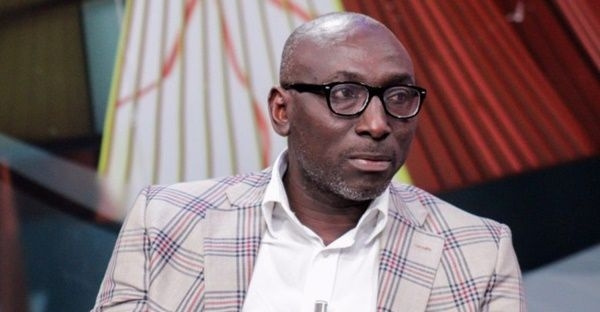
The Acting Director-General of the National Road Safety Authority (NRSA), Abraham Amaliba, has warned that the growing occupation of pavements by hawkers is putting pedestrians at risk and contributing to road crashes.
Speaking on JoyNews' The Pulse on Friday, January 23, Mr Amaliba said the situation has forced pedestrians off walkways and onto busy roads, where they are compelled to compete with vehicles for space.
“Because traders have taken over the pavements, pedestrians are now forced to compete with drivers on the road, and this will normally lead to crashes,” Mr Amaliba said.
He explained that district and metropolitan assemblies are the first point of call in addressing the problem, particularly within central business districts where pedestrian traffic is heavy.
“The district assemblies are the first point of call when it comes to ensuring that the CBD is cleared of hawkers and traders,” he stated, stressing that pavements must be preserved strictly for pedestrian use.
Mr Amaliba, however, criticised the approach adopted by some assemblies in carrying out decongestion exercises, describing them as unsustainable.
“I have seen some metropolitan assemblies trying to do that, but they are doing it in such a way that it is not sustainable. They clear the people and when they go back, the hawkers also come back,” he said.
He noted that the lack of coordination among key institutions has made it difficult to achieve lasting results, and called for structured collaboration between the National Roads Authority and the metropolitan and district assemblies.
“What we should be doing is to have meetings to coordinate and collaborate between the National Roads Authority and the assemblies to bring permanency to the exercise,” he explained.
He added that such collaboration would ensure that pavements are left for pedestrians and help reduce preventable road accidents.
“And once that is done, we can ensure that the pavements are left for the use of pedestrians,” he added.
Mr Amaliba further disclosed that he intends to take the issue seriously by formally engaging metropolitan assemblies, especially in major cities.
“I am going to take this seriously and write to the metropolitan assemblies, particularly in the big cities, so that we can have that collaboration and bring some sanity to our roads,” he said.
Latest Stories
-
Education Ministry reschedules 2026/27 CSSPS results to September 4
5 minutes -
Trump says US will refill Strategic Petroleum Reserve using Venezuelan oil
13 minutes -
ASWAJ reaffirms Sheikh Mohammad Kamil as First National Deputy Imam, urges constitutional compliance
16 minutes -
10 arrested in illegal mining operations at Kpali
46 minutes -
“Styrofoam ban is first phase of single-use plastics crackdown” – EPA
57 minutes -
US Treasury’s Bessent faces G20 diplomacy test amid tariffs, Iran war, bond turmoil
59 minutes -
One dead, several injured as fire ravages parts of Abotaose Market
1 hour -
Accra ranks among world’s top 20 cities for nightlife in 2026
2 hours -
Police arrest two suspects over murder of Yidani chief and son
2 hours -
How Albert Bondah, Fredima, Socrate Safo, Counselor Lutterodt engineered Dan Kwaku Yeboah’s comedy show
3 hours -
Yidani chief’s murder: Police arrest two suspects following intelligence tip-off
3 hours -
Government to connect 206 Volta communities to national grid within six months – Energy Minister
3 hours -
Petrol, diesel and LPG prices expected to rise marginally in September – COPEC
3 hours -
Canada installs large Lake Ontario sign in latest jab at US
3 hours -
Energy Minister commends Roads Minister for massive road projects in Volta Region
4 hours