

Audio By Carbonatix
The Environmental Protection Agency (EPA) has launched sweeping nationwide measures to clamp down on unregulated gold leaching, warning illegal operators to comply with new environmental standards or face prosecution.
The Authority describes chemical leaching as an escalating environmental hazard, citing rising cases of hazardous effluent discharge, soil contamination, and the degradation of critical water resources in mining communities.
As part of a new regulatory regime, all gold leaching operators will be required to undergo mandatory environmental safety training and certification as a pathway toward formalisation and compliance.
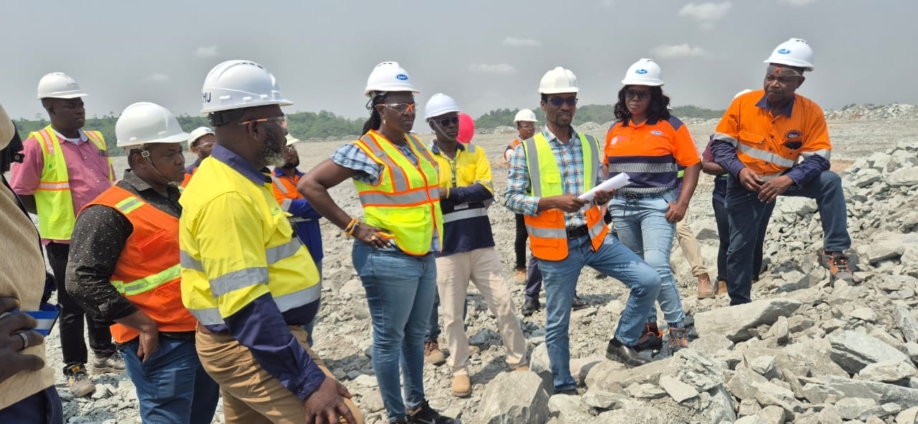
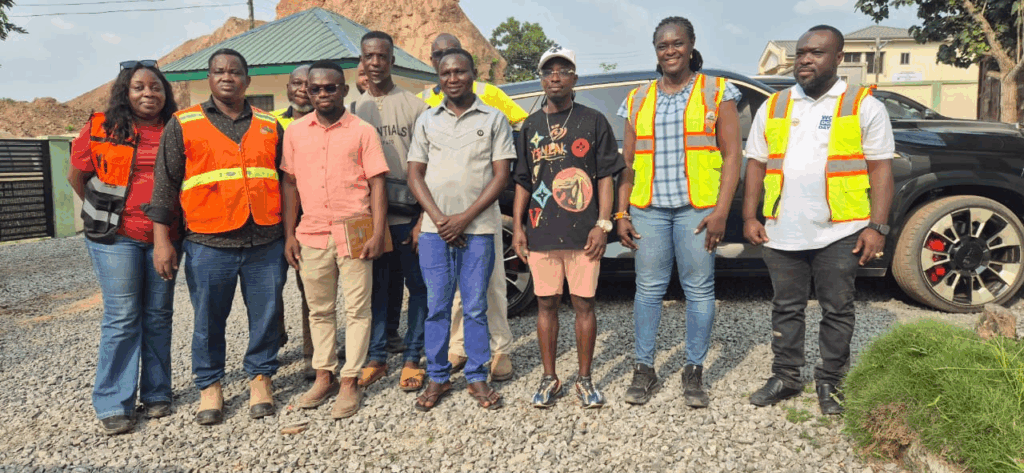
The directive follows a high-level engagement between EPA management and executives of leaching associations in the Tarkwa Municipality of the Western Region, marking the beginning of a coordinated national enforcement exercise targeting chemical pollution hotspots.
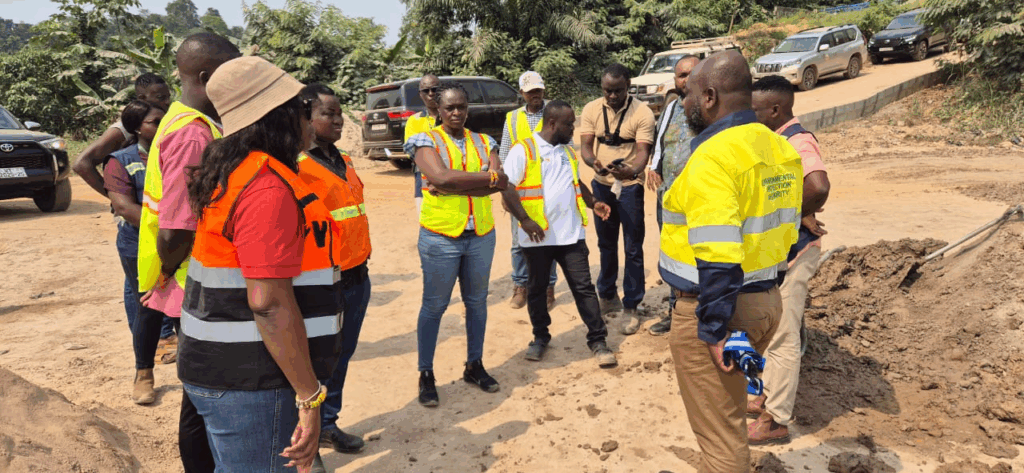
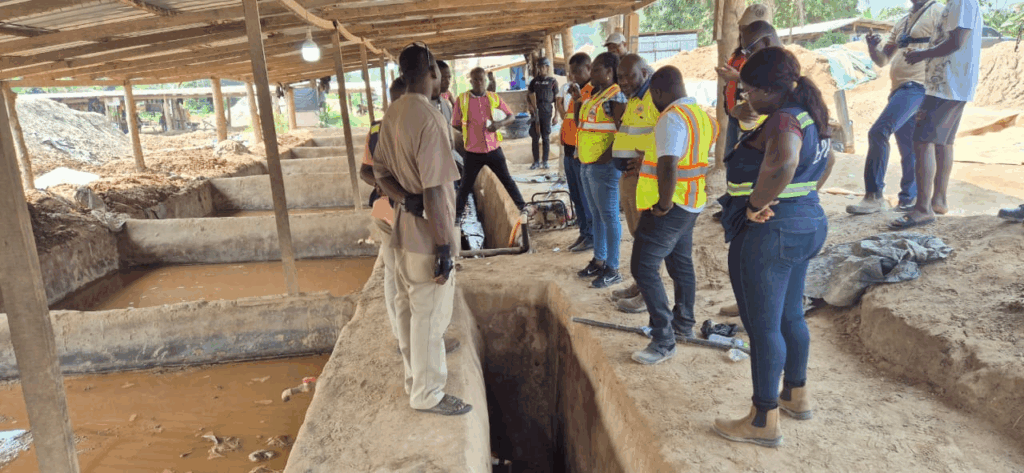
Leaching involves soaking crushed ore in chemical solvents such as cyanide and strong acids to dissolve and recover gold.
However, when conducted without environmental permits, engineered containment systems, and waste treatment protocols, the process can result in toxic seepage, groundwater contamination, and long-term ecosystem damage.
Despite being illegal under Ghana’s environmental and mining laws, the practice is spreading rapidly across mining districts. After inspecting multiple sites in Tarkwa, the EPA summoned leachers and outlined a structured compliance framework aimed at regulating chemical handling, strengthening environmental monitoring, and enforcing pollution control standards.
EPA Chief Executive Officer, Prof. Nana Ama Browne Klutse, said the Authority is shifting from outright illegality toward strict regulation and environmental oversight.
“As we speak, the activity is illegal, but the EPA has developed regulations to control and regularise the operations of the leachers. We have agreed that they will go through training and certification to ensure they mine sustainably without polluting the environment,” she stated.
She explained that the process will begin with registration, training, and the phased issuance of environmental permits.
“To start with, there will be training. We will register them and then move toward granting permits under strict environmental conditions,” Prof. Klutse added.
A key component of the new framework is tighter control over the chemical supply chain to prevent indiscriminate access to hazardous substances.
“We want to regulate the sources of cyanide and acids used in gold processing. The associations will be empowered to help control how these chemicals are procured and distributed to their members, ensuring their activities have minimal environmental impact,” she said.
The EPA has set end of February 2026 as the deadline for operators to enter the compliance process. Failure to do so will trigger legal sanctions.
“Immediately next week, we will begin issuing notices. From the second week of February, registration will start, and by the end of the month, the permit process will commence. We will also work with them on the construction of safer, environmentally sound processing plants,” she revealed.
Prof. Klutse stressed that non-compliance will attract penalties under Ghana’s environmental laws.
“As EPA normally does, if you fail to comply with our regulations or conditions to protect the environment, we will apply sanctions. Beyond administrative penalties, we can prosecute depending on the severity of the violation,” she warned.
A spokesperson for the Tarkwa leaching association, Lord King Aikins, welcomed the intervention and pledged cooperation.
“This meeting has been helpful. We now understand that some of our practices are harmful. The EPA will inspect even what we have already done and guide us so we don’t pollute the environment. It is welcome news for us,” he said.
The EPA maintains that the enforcement drive is part of a broader strategy to safeguard Ghana’s ecosystems, protect downstream communities, and prevent irreversible pollution of land and water bodies from hazardous mining chemicals.
Latest Stories
-
Harry and Meghan’s media treatment echoes what happened to Diana, Earl Spencer tells BBC
3 hours -
Nvidia boss rejects AI extinction fears as ‘doomsday narratives’
3 hours -
Workers came across human remains – and unearthed a mass grave of 572 people
4 hours -
Each Jehovah’s Witness member now decides whether to accept or donate main blood components
4 hours -
Trump says US will form ‘AI Force’ and appoint an artificial intelligence tsar
4 hours -
Google’s Gemini AI hacked three companies in security test
4 hours -
Converse pulls ‘deeply upsetting’ advert after backlash
4 hours -
Warren Buffett steps down after six decades at Berkshire – ‘Father Time always wins’
4 hours -
Billionaire Man United owner says he has lost confidence in the UK
5 hours -
I have experienced racism a thousand times – Lamine Yamal
5 hours -
Ipswich Town investigates racist abuse of Fatawu
5 hours -
Man City battle past Sunderland in eight-goal thriller
5 hours -
Neville calls Man Utd ‘pathetic’ – but Carrick maintains belief
5 hours -
Cunha rescues point for Man United at Fulham
5 hours -
Government has improved sanitation in one-and-a-half years — Salaga South MP
5 hours