

Audio By Carbonatix
The African diaspora has never been a silent witness to Africa’s struggles. It has always been a carrier of ideas, memory and resistance. Today, however, something deeper is taking shape. A new generation of Africans abroad is embracing Pan-Africanism not simply as heritage, but as duty. With the understanding of unity despite geographical barriers separating Africans and diasporans, there is a sense of shared struggle which lingers in the hearts and minds of Africans all around the world. This new generation; the youth, believe in a vision worth fighting for.
In the words of Mr. Edwin Janney, a diasporan writer and poet, he says, “We must unite to give legitimacy to what we do. But solo effects will definitely be a problem.” This language speaks more volumes than the numerous words as it emphasises the unity which great leaders like Kwame Nkrumah fought for and that which Pan-African organisations like the Pan-African Progressive Front seek to build; a network of Africans and people of African descent who relate with one another regardless of colonial barriers and their consequences.
The common assumption that liberation must begin with physical return misses a more powerful reality. Many in the diaspora understand clearly that they already have a home. Africa is not a destination waiting at the end of a journey. It is an identity that travels with them. The mission is not only to go back, but to act from wherever they are.
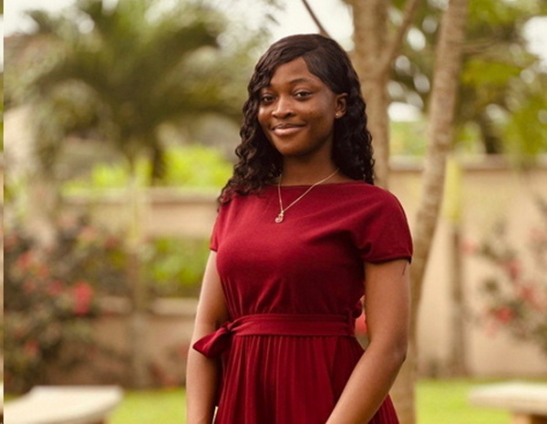
Speaking with a youth advocate on Reparations and Pan-Africanism, Miss Rebecca Mintah, an MSF Graduate from Babson College, she shares her thoughts on the topic in ways more relatable to other young people in the diaspora. “Growing up between Ghana and the U.S., I’ve felt how easily one can lose touch with parts of your identity if no one is intentionally guiding you. Culture doesn’t just survive because we love it. It survives because someone teaches it, explains it, and makes space for questions” - she expressed.
Currently, the weight of responsibility on the diaspora is far heavier than what meets the eye, Rebecca shared. The young people in the diaspora have a responsibility to learn and equip themselves with the tools and knowledge required from the older generation to push forward the fight on Reparations and Pan-Africanism. Because with political and cultural consciousness, the fight can be won against imperialism and neo-colonialism.
In cities far from the continent, diaspora communities are creating political spaces where Africa is debated seriously, defended publicly and reimagined boldly. Through study circles, digital platforms, cultural initiatives and political campaigns, they are preserving Pan-African thought at a time when Africa itself is being pulled into new global power rivalries and economic pressures.
This matters because Africa is no longer only contested militarily or economically. It is contested ideologically. The stories told about Africa influence policy, investment, diplomacy and even conflict. The diaspora has become one of the strongest counter-forces to distorted narratives that reduce African societies to crises while ignoring their resistance, innovation and political agency.
The mission of the diaspora today is therefore protective as much as it is visionary. It protects the historical memory of liberation struggles. It protects African truth and dignity in hostile media environments. It protects the intellectual foundations of Pan-Africanism from dilution and commercialisation; and it tells the story in the African perspective as experienced by the African, both young and old and ensures an ideal reference in history.
“I strongly believe that we need more honest intergenerational conversations, not just cultural events. Young people need spaces where they can ask hard questions about issues surrounding history, politics among others and what it means to be African in the diaspora today. And our organizations need structure so the work doesn’t end when one passionate group graduates or moves on. There has to be an intentional effort.”
As important as this topic is to all Africans and people of African descent, Pan-African organisations also serve as support systems to the cause. Particularly with the Pan-African Progressive Front (PPF), who has gained a lot of attention on the digital platforms for their persistence with issues of Pan-Africanism and Reparations, the organisation works even harder in diaspora networking; Where they keep close contacts with the African brothers and sisters in the diaspora and collaborating for a greater purpose to the advantage of the continent.
“Honestly, I was very thrilled when my good friend from the PPF reached out about this conversation. For me, it came as an opportunity to express the hard truths many young people would not care to face or are not able to face. For me, it meant also, a moment of great honour, to contribute to this important global conversation.” Rebecca Mintah shared.
Returning home physically remains a personal and political choice. But what defines this moment is the recognition that Africa’s global family has a responsibility to act where power currently circulates in global institutions, information spaces and economic networks. The diaspora knows it has a home. Its task now is to defend it no matter where they are.
While concluding the interview, Miss Rebecca Mintah addressed the deep question of multi-root ancestry among generations to come. She responded, saying: “For me, the conversations surrounding the connection between the diaspora and the African continent is simple. It is definitely multi-rooted. My identity isn’t rooted in just one place. It is shaped by Ghana, by the U.S., by faith, by education and by community. But I don’t believe ‘multi-rooted’ means ‘disconnect’. I trust the future generation will carry multiple influences, but we still need a strong ancestral grounding. However, the goal isn’t to choose one root over another. The goal is to know where you come from while navigating where you are.” She ended.
Latest Stories
-
Vibes The Movie: Big Ghun’s Ghanaian film earns five nominations at 2026 REFFA
21 minutes -
MamaCare CEO warns unresolved conflicts among health workers could undermine maternal and neonatal care
45 minutes -
Health professionals urged to translate medical knowledge into practice to save mothers
51 minutes -
Conflicts among care providers linked to maternal, neonatal deaths – Expert
2 hours -
GIS marks 10th TIME conference, champions improved teaching practices
3 hours -
BRICS Or Balance? What Ghana’s bid really means
3 hours -
GPRTU wants full TRAFFITECH-GH implementation to start in 2027
3 hours -
Mahama announces plans to import electric wheelchairs for PWDs
3 hours -
KGL U17 Colts 2026: Western beat Prempeh Elite Academy to set up final final with Greater Accra Region
4 hours -
Late Solanke strike salvages 10-man Spurs draw at Man United
4 hours -
Gender Ministry to monitor welfare of Nana Akua Addo’s children amid domestic violence case
4 hours -
Benedict Okyere Yeboah: Ghana’s football problem goes beyond sacking a coach
4 hours -
GPL 2026/27: Darkwah Wiafe’s winner sees All Blacks beat Kotoko
4 hours -
ITF World Tour : Patel Wins Boys’ Singles Final at J100 Accra
4 hours -
Ghana must pursue BRICS partnership if it brings economic benefits – Kpebu
4 hours