

Audio By Carbonatix
Economist Professor Godfred Bopkin says Eurobond holders, domestic bondholders and pensioners who endured losses under Ghana’s debt restructuring were instrumental in restoring the country’s debt sustainability.
He says their sacrifices, rather than GoldBod, provided the financial “breathing space” that has enabled Ghana to bring down its debt-to-GDP ratio and debt-servicing costs.
“The unpopular domestic debt exchange has played a key role. Remember that those who gave Ghana fresh air were actually not GoldBod,” Prof. Bopkin said.
He stressed that Ghana’s improving fiscal position should be viewed against the sacrifices made by creditors who came to the negotiating table when the country needed financial support the most.
“Those who gave Ghana breathing space to have what we have today were domestic bondholders who sacrificed, were Eurobond holders who sacrificed, who came to the table when Ghana needed help the most,” he said.
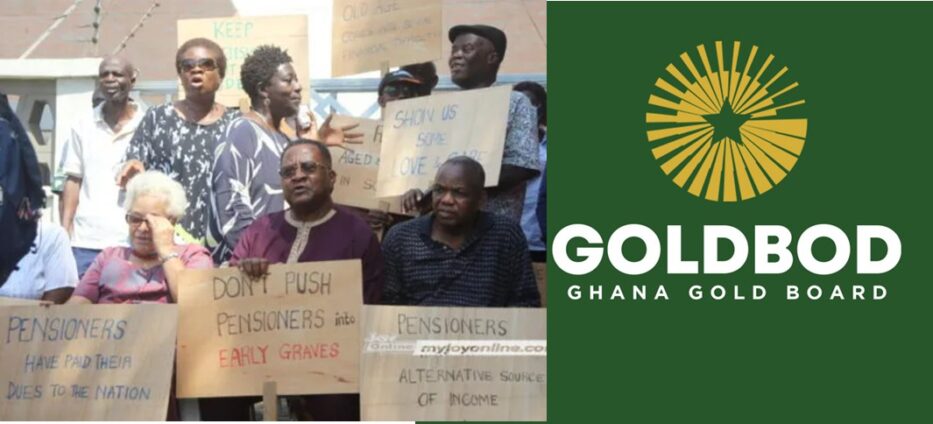
Prof. Bopkin said pensioners were among those who bore the impact of the domestic debt restructuring and deserved recognition for their contribution to Ghana’s economic recovery.
“Those who gave Ghana sweat equity, who gave Ghana fresh air to breathe, and I think we need to recognise them today, including pensioners and all of them, who endured a haircut. They didn’t even get a chance to choose the style of the haircut,” he said.
He noted that the original IMF-supported programme had a balance of payments financing gap of about $13.5 billion, at a time when GoldBod’s domestic gold purchase operations were still relatively small.
According to Prof. Bopkin, Ghana must therefore recognise the role of domestic bondholders, Eurobond holders, pensioners and external bilateral creditors in creating the fiscal space the country is currently enjoying.
He welcomed the significant reduction in the debt-to-GDP ratio and debt-servicing costs but cautioned that the gains could easily be squandered if the country failed to use the fiscal space prudently.
Prof. Bopkin recalled that Ghana had reached a similar position after the Highly Indebted Poor Countries programme and the Multilateral Debt Relief Initiative, when the country’s debt-to-GDP ratio fell below 30%.
That fiscal space, he said, was eventually dissipated, forcing Ghana to return to the IMF in 2009.
“It’s good news we are celebrating this fiscal space. Let’s put in place the right structures, spend efficiently, borrow prudently, and invest it in enhancing the cash flow-generating capacity of the economy. Otherwise, we have been there before,” he said.
Latest Stories
-
Immigration officer dead, police officer critically injured in fatal crash at Assin Fosu
37 seconds -
PETROSOL’s maiden GH₵100m corporate bond oversubscribed
4 minutes -
Malfunctioning traffic light at Awoshie Last Stop raises safety concerns for motorists, pedestrians
9 minutes -
Biology of the Girl Child Summit equips over 1,500 girls in Berekum with reproductive health knowledge
16 minutes -
OSP to assess extortion allegations involving Sammy Gyamfi and Afenyo-Markin
17 minutes -
Ghana wins second edition of Onga Jollof Battle
20 minutes -
Norway asks supreme court to overturn environmental verdict against oilfields
21 minutes -
Court remands man accused of sexually abusing four daughters
22 minutes -
Tano South Assembly employs casual laborers, plans workforce expansion following Zoomlion exit
24 minutes -
Sonya Massey’s killer Sean Grayson dies in US prison
24 minutes -
Mahama calls for stronger African voice in global affairs
26 minutes -
Ghana’s Clinton Dombila makes FC Noah debut in slim win over BKMA
27 minutes -
AI cannot replace human connection in advertising — AAG President
27 minutes -
Labour Minister seeks stronger workplace safety standards
30 minutes -
New Tata boss to face formidable challenges
31 minutes