

Audio By Carbonatix
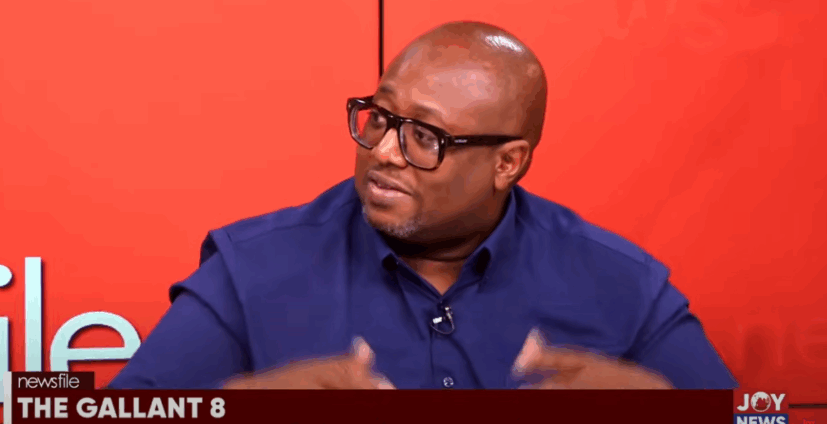
Director of Programmes and Policy Engagement at the Centre for Democratic Development (CDD-Ghana), Dr Kwame Pumpuni Asante, has explained that Ghana’s secular status does not mean religion has no place in public life, but rather that all faiths must be treated equally.
Speaking on JoyNews’ Newsfile on Saturday, August 16, Dr Asante said many Ghanaians often misunderstand what it means for the country to be secular.
“Sometimes we misconceive the whole idea. When we say Ghana is a secular state, it is not the absence of religion. It is the equal treatment of all religious faiths,” he said. “The Constitution accepts that people have different faiths, so whatever relations you are going into, you don’t discriminate against anybody.”
He noted that Ghana has generally enjoyed peaceful coexistence between different religions, both among citizens and in the state’s dealings with faith groups. According to him, this has spared the country from the kind of religious conflict witnessed elsewhere.
Dr Asante, however, expressed concern about the growing trend of state officials appearing to give space to so-called prophets who make predictions about accidents or disasters. He described this as a misuse of taxpayer resources and a potential source of confusion.
“If there are ten prophets today, and you create a platform for them, by tomorrow there will be 2,000, because what you are doing is incentivising charlatans. There is no punishment for false prophecy, yet it gives them a reputation and sometimes access to power,” he warned.
Instead of providing such recognition, he suggested that faith groups themselves should strengthen self-regulation, as has been done in other traditional institutions. “Faith has its own traditions. Pastors have their own traditions. Let people be able to use that same information that everybody knows to say, this is right and this is wrong,” he said.
Dr Asante further argued that state regulation of prophecy would be unworkable and counterproductive. Rather, he said, efforts should focus on accreditation, training and self-monitoring within religious institutions.
“For me, I don’t see the value in the state stepping in. We have very good structures already, and it is better to build on those,” he added.
This follows the Presidential Envoy's request to religious leaders to submit their prophecies for review before they are made public. The Presidential Envoy, Elvis Afriyie Ankrah explained the move was aimed at sanitising the space and preventing fear-mongering.
Latest Stories
-
Gender Ministry convenes Equity Committee meeting, commissions secretariat to strengthen coordination
54 minutes -
Aggie Asiimwe Konde: Soil is Africa’s hidden growth asset
56 minutes -
Fiscal slippage could weigh on Ghana’s credit rating – S&P warns
1 hour -
Gender Ministry reviews Anti-Trafficking Action Plan to strengthen implementation
1 hour -
Fidelity Bank supports UG’s ‘One Student, One Laptop’ initiative
1 hour -
Ellembelle MP donates 1,000 set of furniture to KIMTECK
1 hour -
We’re focused on basic needs, not Anti-LGBTQ Bill – Mahama
1 hour -
Mahama announces April 15 launch for Free Primary Health Care Programme
1 hour -
Government pushes scaled investment in women entrepreneurs at Accra Summit
1 hour -
Gov’t sets 12%–12.5% guidance for 7-year bond as market re-entry gains momentum
2 hours -
Tourism Minister encourages youth to take advantage of theatre for jobs
2 hours -
New political party to challenge dominance of two major parties
2 hours -
Stroke survivors demand inclusive healthcare, urgent policy interventions nationwide
2 hours -
China reaffirms unwavering ties with Ghana as Ambassador presents credentials
2 hours -
Wrongful teacher postings undermine early childhood education in Upper East
2 hours