

Audio By Carbonatix
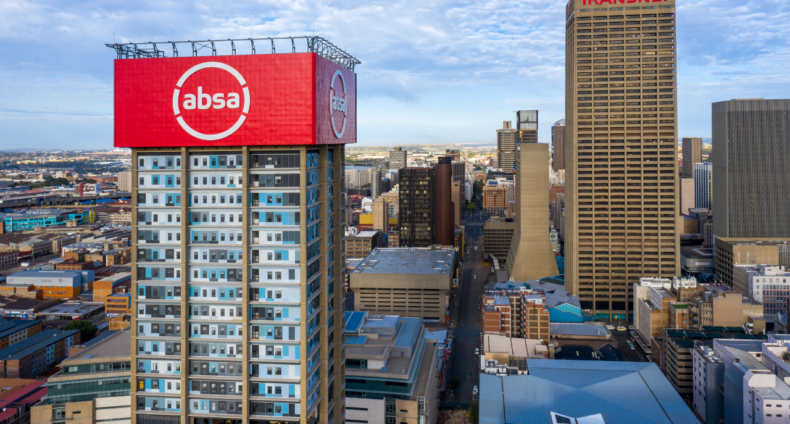
The CEO of South Africa's Absa Group says he will focus on modernising and building its retail banking business, promising stability after becoming the lender's sixth new head since longstanding chief Maria Ramos left in 2019.
South Africa's third-largest bank by assets has been trying to innovate and improve performance since splitting from former British parent Barclays over the three years to 2020, but the churning of CEOs has weighed on Absa's profitability.
Following Maria Ramos' retirement in 2019 after a decade leading the bank, it was headed by two other permanent and three interim CEOs before Kenny Fihla joined the lender in June.
"There's no doubt that our retail business in South Africa was effectively trapped in a time (when) others were innovating and getting better ways of delivering to the client," Fihla said in an interview on Monday. "We were stuck in a particular era."
In June, the bank reversed its former CEO Arrie Rautenbach's strategy of splitting its retail banking business into three units, instead merging them into one.
"We're starting to see some early wins (in our retail business) in terms of the growth in client numbers and the growth in the number of clients who are transacting with us from the digital platform," Fihla said.
"Once we have appointed permanent leaders to run all of these businesses, I think we are likely to see an increase in the pace of execution and far greater momentum developing going into 2026."
Areas of focus for the bank include enhancing mobile and digital platforms and embedding artificial intelligence. It has also introduced value-added services, enhanced its rewards programme and added financial coaching tools, it said in a statement.
On the rest of its Africa portfolio of 11 countries, Fihla wants to increase the bank's market share and scale and also look to merge its two businesses in Tanzania.
"We'll also be looking at other larger markets where we do not have a presence," he said.
In Nigeria, where the bank has a representative office, "we'd want to do more," Fihla said. "But the environment must be right before we can think about significant scaling up."
Latest Stories
-
We can tackle multiple priorities – Sam George defends Anti-LGBTQ Bill push
11 minutes -
Statement: Ghana Chamber of Mines’ Response to Claims in Joe Jackson’s “Ananse Stories about the Economy of Ghana”
13 minutes -
GES opens 2026 teacher recruitment for licensed B.Ed graduates
15 minutes -
Ghana must value skilled trades, build resilient learners — Ibn Chambas
23 minutes -
Ghana must rethink education around relevance, resilience and responsibility — Ibn Chambas
26 minutes -
Prince Harry faces defamation lawsuit from charity he co-founded
28 minutes -
South Korea deploys thermal cameras to track escaped zoo wolf
29 minutes -
Calls for royal meeting with Epstein survivors grow ahead of US visit
33 minutes -
Ibn Chambas advocates blend of technology and human values in education
34 minutes -
UMA improves healthcare access in Asutifi North with GH₵700k ‘Kim Taylor Legacy’ Walkway
39 minutes -
Scholarships Authority and Fanaka University offer sponsorship for procurement and supply chain studies
42 minutes -
Bisa Kdei drops new single ‘Go N Look’ featuring Medikal
49 minutes -
Benin facing rising terrorism in north as French military presence faces growing criticism
50 minutes -
UEW Public Lecture Series 2026: Education debate ‘about the soul of Ghana’s future’ — Dr Ibn Chambas
51 minutes -
EU fingerprint and photo travel rules come into force from today
1 hour