

Audio By Carbonatix
The May 18 floods exposed more than broken drains; they revealed a broken system. The time to act is now.
Introduction
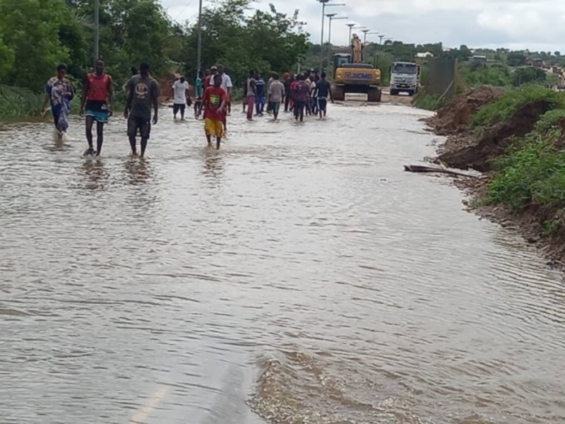
The torrential rains that lashed Accra and other parts of Ghana on Sunday, May 18, 2025, brought more than just floodwaters, they exposed, yet again, the deep cracks in our urban infrastructure and the dangerous cost of civic neglect.
Homes were destroyed, livelihoods disrupted, and an entire city brought to a standstill. These events must no longer be treated as seasonal inconveniences. Each downpour is a warning that we are inching toward a disaster we can no longer ignore.
Beyond the Rain: A Man-Made Crisis
Eyewitness accounts from affected communities point to a grim reality: drains choked with plastic, household waste, and debris. These weren’t just natural floods, they were the result of years of environmental mismanagement.
In Ghana today, flooding is less a natural disaster and more a man-made calamity. Until we accept this uncomfortable truth, history will continue to repeat itself.
The Urgent Need for Strategic, Sustainable Action
As a communications professional and disaster risk reduction advocate, I believe we are at a pivotal moment. Ghana must shift from reactive measures to proactive, long-term strategies. This crisis demands bold leadership, honest reflection, and united action.
I call on the Ministry of Works and Housing, MMDAs, NADMO, and all relevant stakeholders to adopt a multi-sectoral approach that includes:
Upgrading drainage systems to meet current and future urban demands.
Enforcing building codes and land-use regulations in flood-prone zones.
Investing in early warning systems and ongoing public education campaigns.
Partnering with environmentalists and urban planners to build climate-resilient cities.
Empowering local disaster volunteers to act as first responders and educators.
National Policy Realignment Needed
I urge the Government of Ghana to treat Disaster Risk Reduction (DRR) as a national development priority. DRR must be central to budgeting, policy-making, and long-term planning.
Ghana cannot afford to lose more lives, property, or economic potential to predictable disasters.
Corporate Ghana: Step Up
Businesses must see disaster resilience not as charity, but as a smart investment. Through targeted CSR initiatives, they can:
- Support community clean-ups and public education,
- Fund flood mitigation infrastructure,
- Enhance local emergency preparedness.
A Collective Duty
This is not just the responsibility of the government, it is a shared national duty. From our waste disposal habits to our civic engagement, every Ghanaian has a role to play in building a resilient future.
Conclusion
Let this not be another flood that fades from memory until the next rainy season. Let this be the turning point.
With visionary leadership, civic discipline, and collective effort, we can build a Ghana that is safer, cleaner, and better prepared for tomorrow.
Latest Stories
-
World Cup 2026: Litina Travels secures Sports Ministry endorsement to facilitate Ghanaian fan travel
18 seconds -
Perform or be dissolved: Gov’t bans bonuses for loss-making SOEs
24 seconds -
Photos: Mahama cuts sod for 24-hour economy market at Dormaa Ahenkro
14 minutes -
Vera Couch partners with Opokua Ahwenee Foundation to donate food items to Awoshie orphanage
15 minutes -
Mahama defends new SIM card registration
24 minutes -
Tragedy at Effutu A.M.E Zion Girls: Final-year student killed in campus bee attack
24 minutes -
DR Congo and Rwanda agree to ease tensions after talks in US
53 minutes -
GCNM holds first induction by examination, urges shift towards specialist-led healthcare delivery
56 minutes -
Government to interrogate Burkina Faso tomato export ban further – Dumelo
1 hour -
Lancaster University calls for reforms to Ghana School of Law admission system
1 hour -
Health facilities urged to strengthen compliance , improve patient safety
1 hour -
Health officials warn of danger to patients as Tumu hospital machines malfunction
1 hour -
Chad warns Sudan it will retaliate after drone strike on mourners kills 17
1 hour -
Ghana advancing AI, digital reforms in education – Haruna Iddrisu
1 hour -
President Mahama writes: We have always called it a crime
1 hour