

Audio By Carbonatix
The Chief of Staff has urged the Public Utilities Regulatory Commission (PURC) to actively engage all stakeholders before announcing new utility tariffs.
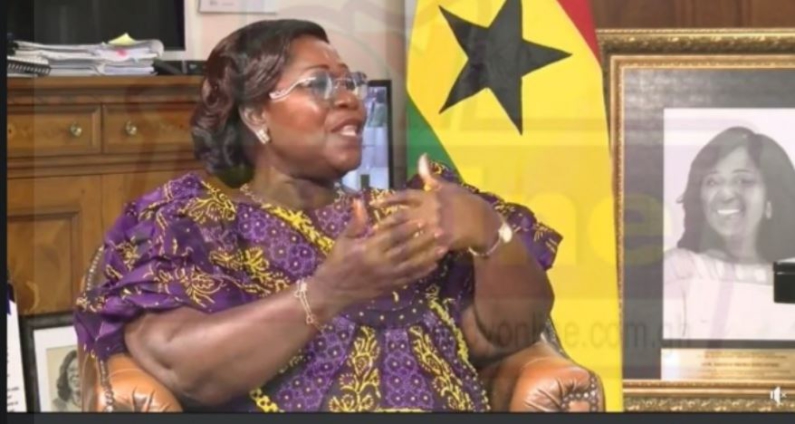
Madam Frema Osei-Opare said the Commission must consider the public’s interest in its dealings.
She, thus, called on all stakeholders to speak out to ensure their voices are heard in the conversation.
“It is my fervent hope that all stakeholders will engage actively in this review process and make their voices heard so that the final outcome will benefit the generality of all stakeholders,” she said.
Frema Osei-Opare made this statement at the inauguration of an office complex for PURC in Koforidua.
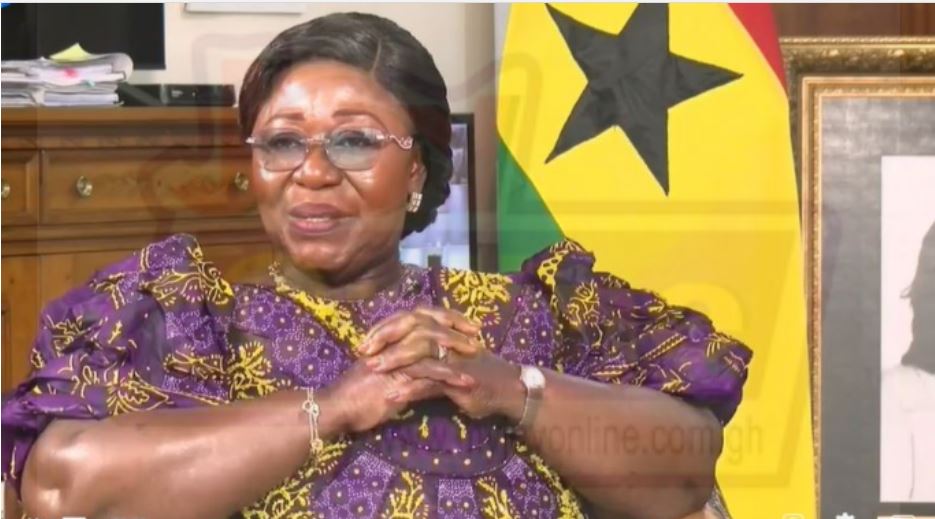
Meanwhile, the Chief of Staff also commended PURC for its pivotal role in the ongoing engagement of stakeholders on the multiyear tariff review.
However, she stressed that there is a need to strengthen the already established mechanisms to regulate utility companies to become financially viable.
The Commission had earlier assured the public that it will consider the interest of all stakeholders in determining the new utility tariffs.
In a media interview, the Head of Public Relations and External Affairs of PURC said the Commission will also consider the interest of the investor community and the interest of the utility companies before announcing the new tariffs.
“PURC will weigh the concerns of the consuming public and other stakeholders. We’ll consider the interest of the consuming public and the investor community and protect the interest of the utility company by making sure that it is financially viable.
“We will also look at our regulatory benchmark, including the allowable losses, and all these are put together, so it isn’t just an academic exercise,” he said.
The Electricity Company of Ghana had proposed that its tariffs will be increased by 148% for 2022 and with 7.6% average adjustments between the periods of 2023 to 2026.
The proposed sharp increment, according to ECG, is due to the gap between the actual cost recovery tariff and PURC-approved tariffs as well as the cost of completed projects.
The GWCL also argued that while the average tariff per cubic metre in 2019 was 1.27 USD, the same was reduced to USD 1.13 as a result of cedi depreciation.
The GWCL said this has affected its ability to carry out repairs and replacements of aged and obsolete equipment and pipelines.
Latest Stories
-
SOS Children’s Villages Ghana deepens partnership with Gender Ministry
16 minutes -
Gender Ministry celebrates Christina Koch, reaffirms commitment to empowering girls
29 minutes -
Live stream: Newsfile digs into E&P’s takeover of Damang Mines, OSP powers and Anti-LGBTQ Bill
38 minutes -
Moody’s maintains Ghana’s rating at Caa1, revises outlook to positive
1 hour -
Zambia elevates tourism education to national priority as President Hichilema backs continental summit
2 hours -
Activa promotes credit insurance to boost SME export growth
2 hours -
ILTM Africa 2026 opens doors to inbound and outbound luxury travel in Cape Town
2 hours -
“BP Soul Travel and Tours scored the highest marks” – Sports Minister Kofi Adams endorses agency for World Cup travel
2 hours -
‘At the age of 12, I was teaching people and collecting money from them’ – Forty Under 40 Awards
3 hours -
I broke my virginity at the age of 26 after university – Richard Abbey Jnr.
4 hours -
Sacked for fees, saved by faith: The untold story of Forty Under 40 Awards founder Richard Abbey Jnr
5 hours -
GCB Bank surges GH¢0.45, ETI gains GH¢0.06 as GSE ends week higher
5 hours -
Two teens jailed 55 years for robbery
6 hours -
UDS demands apology for MPhil student wrongly branded as Tamale robber
7 hours -
“We don’t sell fish!” – Tema Shipyard CEO hits back over dead fish discovery
7 hours