

Audio By Carbonatix
Africa is home to a dazzling mosaic of sound, color, and story—a continent where culture doesn’t just live, it dances. With its vibrant rhythms, rich storytelling traditions, and visually stunning artistry, the creative spirit of Africa is not only centuries-old but also incredibly future-ready.
From the hypnotic pulse of Afrobeats to the cinematic spectacle of Nollywood, Africa’s cultural export is already commanding global attention.
But here’s the twist in the tale: while the world grooves to Africa’s beat and binges on its screen stories, the continent itself is still only scratching the surface of a colossal economic opportunity. Welcome to the untold story of Africa’s creative economy—a $10 billion goldmine that’s waiting (not so patiently) to be unlocked.
The Numbers Don’t Lie
According to the African Union and other leading bodies, Africa's creative industries could generate over $10 billion annually and create millions of jobs—if only the right infrastructure, policy, and investment were in place.
Let’s break it down:
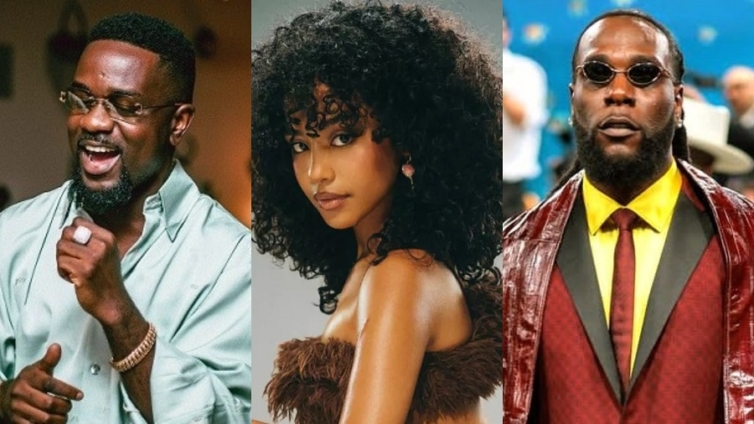
- In Nigeria alone, the music industry is valued at over $1 billion, with megastars like Wizkid, Burna Boy, Davido, and Tiwa Savage consistently dominating global charts, selling out concerts from Lagos to London.
- Nollywood, Nigeria’s prolific film industry, releases over 2,500 films annually, making it the second-largest in the world by volume.
- South Africa’s music sector contributes more than $500 million to its economy, driven by genres like Amapiano and Afro-house, with stars like Black Coffee headlining global festivals.
- East African powerhouses like Kenya and Tanzania are producing digital creatives, filmmakers, and musicians who are scaling global platforms, racking up millions of views, streams, and fans.
Clearly, Africa isn’t short on talent. What it lacks is the enabling environment to turn this cultural currency into hard currency.
A Paradox of Popularity: What’s Holding Us Back?
Despite the buzz, Africa’s creative economy faces a laundry list of challenges:
1. Piracy: The Silent Killer
Let’s call it what it is: theft. Piracy costs Africa’s music industry over $100 million annually. In Nigeria, the problem is so rampant that many artists skip physical releases altogether, relying solely on streaming platforms that, ironically, still don’t offer great returns. Imagine building a hit, only to have your revenue siphoned off by illegal downloads and bootleg DVDs.
2. Infrastructure: Or the Lack Thereof
You can’t build a billion-dollar industry with a broken toolbox. Across the continent, creatives struggle with limited access to modern recording studios, film equipment, post-production facilities, and digital distribution platforms. In many cases, projects are born in passion but die in logistics.
3. Capacity Gaps: Talent Without Training
Talent is abundant, but opportunity isn’t. Many African creatives lack access to high-quality training, mentorship, and career pathways. The result? Incredible ideas that can’t compete on a global scale—not for lack of creativity, but because the technical execution isn’t there yet.
4. Weak Intellectual Property Protections
Without strong IP laws, the creative economy is a house of cards. Artists need legal systems that protect their work, support royalties, and penalize infringement. Without these safeguards, innovation becomes risky, and investment dries up.
The Unlock Code: Strategies to Awaken the Giant
If the potential is real—and the numbers say it is—how do we turn Africa’s creative goldmine into a functioning economic engine?
1. Invest in Infrastructure
This isn’t optional. Governments and private investors must prioritize world-class studios, film cities, sound stages, theaters, and content distribution networks. Think less "makeshift microphone" and more "multi-million-dollar creative campus."
Case in point: Nigeria’s Creative Industry Finance Initiative (CIFI), backed by the Central Bank, is helping fund film and music projects with real structure. It’s a model worth scaling continent-wide.
2. Build the Builders: Capacity Development
Training programs, scholarships, creative academies, and mentorship networks must be established—urgently. African creatives need the skills to not just produce content but manage, monetize, and market it on a global scale. Programs like Multichoice Talent Factory, AFRIFF’s training camps, and local incubators are lighting the way—but they need fuel.
3. Tackle Piracy Head-On
Combating piracy requires more than police raids and angry tweets. Governments must enact and enforce IP laws that actually deter infringement. But it also requires public education: consumers must understand that paying for art is not a luxury—it’s a necessity.
Digital rights management tools, blockchain-based royalty systems, and secure content platforms can help track and protect creative work in real time.
4. Leverage Technology and the Internet
The internet is a game-changer, but Africa must play to win. Streaming services like Boomplay, Audiomack Africa, and Mdundo have shown that localized platforms can thrive. Add social media, YouTube monetization, and direct-to-fan models, and you’ve got a digital economy waiting to erupt.
But again—connectivity matters. Investing in broadband access, digital literacy, and tech entrepreneurship is just as critical as studio space.
5. Build Ecosystems, Not Silos
Africa’s creative growth cannot happen in a vacuum. Governments, creatives, private investors, and NGOs must collaborate on long-term strategies that go beyond hype. We need continent-wide creative summits, regional licensing deals, export frameworks, and policies that treat culture like the billion-dollar industry it is.
The Youth Are Not the Future. They’re the Now
With a median age of just 19.7 years, Africa is literally the youngest continent on Earth. That’s not just a demographic stat—it’s a creative superpower. Gen Z and Gen Alpha Africans are digital natives who think globally, remix locally, and hustle endlessly. They're coding by day, recording at night, and uploading from everywhere in between.
The job of today’s leaders—government officials, investors, industry veterans—is to ensure they have the tools, networks, and systems they need to build empires.
The Curtain Call: Africa, the World is Listening
The stage is set. The cameras are rolling. The music is playing.
Africa’s creative economy is not a "potential" anymore. It’s an imminent explosion. It’s the beat in your AirPods, the drama on your Netflix queue, the dress on the runway. What it needs now is investment, infrastructure, and intentionality.
The rewards? Massive. A thriving creative economy can create millions of jobs, increase GDP, reduce youth unemployment, and position Africa not just as a cultural powerhouse—but as an economic one.
So let’s stop treating creativity as a side hustle, and start treating it as the engine of Africa’s next economic leap. Because the sleeping giant is waking up.
And when it roars?
The world won’t just listen—it’ll dance.
Latest Stories
-
Premier League great Salah will leave lifetime of memories
24 minutes -
Libya’s El Feel oilfield in shutdown since Thursday, engineers say
36 minutes -
Oil traders bet millions minutes before Trump’s Iran talks post
2 hours -
Fortnite-maker Epic Games lays off 1,000 more staff
2 hours -
Philippines declares energy emergency over Iran conflict
2 hours -
China dials back on fuel price hikes to ‘reduce burden’ on drivers
3 hours -
Elon Musk’s Starlink blocked from operating in Namibia
3 hours -
Kenya Airways says Iran war has led to demand hike for its flights
3 hours -
Benin presidential candidate vows new police forces to fight jihadists
4 hours -
Kwame Dadzie: Did Stonebwoy’s ‘Jejereje’ really give NDC “significant” electoral impact?
4 hours -
Oil at $150 will trigger global recession, says boss of financial giant BlackRock
4 hours -
Facebook offering TikTok and YouTube creators $3,000 to post content
4 hours -
Meta told to pay $375m for misleading users over child safety
4 hours -
‘I’m no longer interested in Grammy, Western validations’ – Davido
4 hours -
Six politicians I prayed for in 2023 all won their elections – Pete Edochie
4 hours