

Audio By Carbonatix
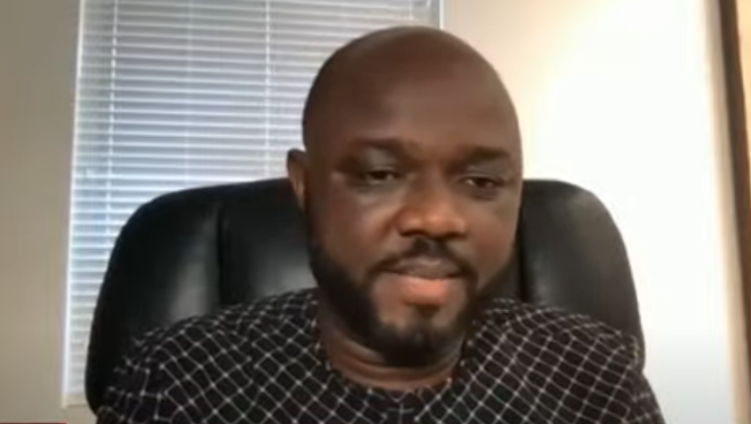
The Executive Director of the African Centre for Energy Policy (ACEP), Ben Boakye, says the Agyapa Royalty Transaction proposed by the Akufo-Addo led government is not a good deal to be reconsidered.
Speaking on Newsfile, Tuesday, he noted that the deal which seeks to sell future receipts on the stock market hoping to raise money has the likelihood of posing danger and uncertainty to the country's mineral resources.
According to Mr Boakye, an investigation by the civil society which analysed the pros and cons of the agreement revealed that the deal will not benefit the Ghanaian populace.
“We have to interrogate the pros and cons of such a decision and that is essentially what civil society has been doing. And we just published a report looking at the legal issues, how they benefit Ghana, and also on the face of the agreement that we do have, the numbers that have been thrown out in the agreement, how it benefits Ghana and we are still convinced that this is not a good deal that Ghana should be engaged in.”
His comment comes on the heels after the Finance Minister nominee Ken Ofori-Atta, during his vetting on Thursday gave the assurance that Agyapa deal will be re-submitted to Parliament.
According to the nominee the deal will help sustain the economy and benefit the interest of the citizenry.
“Imagine we have this Royalty Company, which in 20 to 30 years becomes a $30 billion company, which we will have 50 per cent stake…imagine putting this balance sheet to the Bank of Ghana, you literally have a reserve currency that changes your economy,” Mr Ofori-Atta observed.
Mr Ofori-Atta further stated that, “As we look at the new normal in which there seems to be quite a bit of debt by all countries, what do we do to our natural resources to leverage it into equity, philosophically, I hope we are all going to come to terms with the reality of diversifying and how we capitalise and fund our nation as we intend to do.”
But reacting to this, Ben Boakye intimated that the decision to use the country's minerals to settle debt was not the right way to got but rather create a policy that will optimise the mineral sector to benefit the citizenry.
"We have bigger money out there we are not chasing. For a country, your role in mineral governance is your ability to initiate an engineering policy for the sustainability of the industry and also to ensure that you optimise your operation to the benefit of the country."
According to him, "the solution is not to give up on doing the hard work of ensuring that companies pay the right taxes. You can account for the output of the mineral to ensure that the royalty that you’re collecting is the actual royalty that you’re due as a country, that’s the hard part."
Latest Stories
-
Christina Koch becomes first woman to travel around the moon on Artemis II
3 minutes -
Epstein survivors’ calls to meet King Charles and Queen harder to ignore as US visit approaches
9 minutes -
UN Secretary-General names Ghana’s Anita Kiki Gbeho as South Sudan envoy
10 minutes -
Mali withdraws recognition of Sahrawi Republic, backs Morocco’s autonomy plan
15 minutes -
Gov’t distributes over 8,500 laptops to One Million Coders project
16 minutes -
Julius Debrah, ‘man to beat’ as NDC’s James Agbey dismisses Musah Dankwah’s polls
22 minutes -
GPRTU in Savannah Region to protest alleged eviction in Damongo
51 minutes -
Re: Reinsurance does not replace process — A response to the SIGA–SIC defence
1 hour -
Gender Ministry supports Harriet Amuzu in ongoing abuse case
1 hour -
AG joins plaintiff to scrap OSP ?: We should be mindful of the mischief in this – Bobby Banson
1 hour -
Samson Lardy Anyenini questions willingness of Attorneys-General to prosecute political colleagues
1 hour -
It is only fair the OSP is heard in Supreme Court case – Bobby Banson
2 hours -
Asiedu Nketia resumes Ashanti tour, second leg kicks off on Sunday
2 hours -
NLA denies salary cut claims, threatens legal action over reports
2 hours -
BoG Governor honoured for stabilising cedi, improve inflation
2 hours