

Audio By Carbonatix
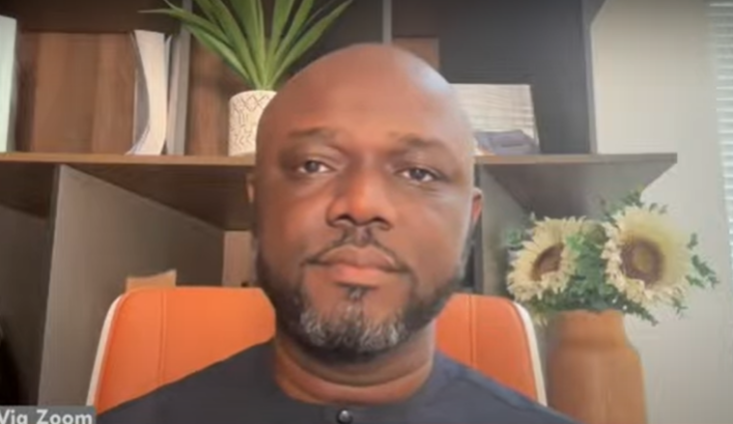
The Executive Director of the African Centre for Energy Policy, Ben Boakye, has advised the government to allow private individuals to handle fuel purchases.
According to him, the government being the sole entity handling fuel purchases puts a lot of pressure on the state as it has to consistently pump in cash whenever there are power crises.
Speaking on Joy FM’s Top Story on June 14, he said it is high time the government stepped back.
“I think our position is that Government should just go off. Government is not the one who is supposed to ensure that there is fuel supply. This is a commercial enterprise. Let’s see power as a business and let people who have money to do the business come and do it," he said.
- Read also: ECG, GRIDCo announce 3 weeks load management
On June 13, the Ghana Grid Company Limited, (GRIDCo) and the Electricity Company of Ghana, (ECG) announced a possible load management plan for three weeks.
In a joint statement, ECG and GRIDCo clarified that the load management is necessary “due to maintenance works being undertaken by a gas supplier in Nigeria and is projected to last three (3) weeks.”
“The maintenance has caused a reduction in overall power generation capacity in Ghana which could result in load management over the period of the work,” the joint release indicated.
They further highlighted that the recent interruptions in power supply experienced in parts of the country are attributed to a decrease in gas supply from Nigeria since June 12.
On the back of this development, Mr Boakye said the government must prioritise the power sector by allowing private individuals to handle fuel purchases and solely act as a regulator.
“When we keep doing the politics with it and always looking to government to go and buy fuel in 21st century to come and produce electricity and distribute to the people that is why we have this challenges.
“So we abuse the system, create the inefficiencies and we are always looking to government when government should be doing other things. Looking at the other socio-economic welfare of the people and allowing the business side of things where private capital is interested to actually manage... we can't keep looking to government to provide money for the power sector at the expense of any other socio-economic intervention we do have," he said.
Latest Stories
-
Techiman unites against child marriage: Joy Impact Makers Awardee leads charge on International Day of the Girl Child
9 minutes -
Ghana Psychological Association calls for greater involvement of people with lived experience in mental health care
1 hour -
Ablakwa says Ghana could evacuate more citizens from South Africa if the situation worsens
2 hours -
Violence against girls must be tackled through individual responsibility – Gender advocate
2 hours -
Ghana’s BRICS bid must be guided by national interest – International Affairs Analyst
2 hours -
Journalists look back on a decade of breast cancer reporting in Ghana
3 hours -
President Mahama ends Resetting Ghana tour of Ahafo Region
5 hours -
African negotiators seek delivery of climate commitments at COP31
5 hours -
BoG develops AI rules for financial sector
5 hours -
‘Big Push’: Government assures contractors of prompt payments
5 hours -
Court fines miner for breaking into gold buying shop
5 hours -
Tarkwa court jails labourer for three years over GH¢123,000 theft
6 hours -
GAEC must retain nuclear scientists for Ghana’s nuclear ambitions – Minister
6 hours -
Man reportedly mistaken for game and shot by hunter dead in forest
6 hours -
19-year-old mason jailed 15 years for defiling seven-year-old pupil
6 hours