

Audio By Carbonatix
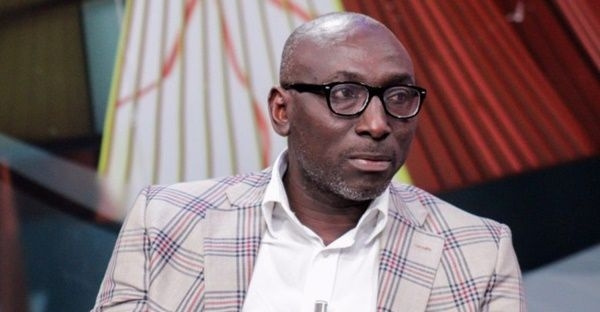
The Acting Director-General of the National Road Safety Authority (NRSA), Abraham Amaliba, has warned that the growing occupation of pavements by hawkers is putting pedestrians at risk and contributing to road crashes.
Speaking on JoyNews' The Pulse on Friday, January 23, Mr Amaliba said the situation has forced pedestrians off walkways and onto busy roads, where they are compelled to compete with vehicles for space.
“Because traders have taken over the pavements, pedestrians are now forced to compete with drivers on the road, and this will normally lead to crashes,” Mr Amaliba said.
He explained that district and metropolitan assemblies are the first point of call in addressing the problem, particularly within central business districts where pedestrian traffic is heavy.
“The district assemblies are the first point of call when it comes to ensuring that the CBD is cleared of hawkers and traders,” he stated, stressing that pavements must be preserved strictly for pedestrian use.
Mr Amaliba, however, criticised the approach adopted by some assemblies in carrying out decongestion exercises, describing them as unsustainable.
“I have seen some metropolitan assemblies trying to do that, but they are doing it in such a way that it is not sustainable. They clear the people and when they go back, the hawkers also come back,” he said.
He noted that the lack of coordination among key institutions has made it difficult to achieve lasting results, and called for structured collaboration between the National Roads Authority and the metropolitan and district assemblies.
“What we should be doing is to have meetings to coordinate and collaborate between the National Roads Authority and the assemblies to bring permanency to the exercise,” he explained.
He added that such collaboration would ensure that pavements are left for pedestrians and help reduce preventable road accidents.
“And once that is done, we can ensure that the pavements are left for the use of pedestrians,” he added.
Mr Amaliba further disclosed that he intends to take the issue seriously by formally engaging metropolitan assemblies, especially in major cities.
“I am going to take this seriously and write to the metropolitan assemblies, particularly in the big cities, so that we can have that collaboration and bring some sanity to our roads,” he said.
Latest Stories
-
Brandon Asante and Coventry all but promoted to Premier League despite Sheffield Wednesday draw
19 minutes -
GPL 2025/26: Late Kwartemaa strike downs Hearts in Tema
25 minutes -
Ghana Faces Sierra Leone Moment as Prosecutorial Powers come under strain
35 minutes -
Don’t consume fish or seafood from Tema Shipyard until further notice – FDA warns
40 minutes -
Why volunteering might be Africa’s most underrated career accelerator
46 minutes -
ActionAid Ghana raises concern over gender gaps in Feed Ghana Programme
48 minutes -
Windstorm wreaks havoc in Gushegu, displacing nearly 2,000 residents and damaging schools
51 minutes -
Friends of Bridget Bonnie Marks her 35th birthday with donation to Kasseh Model Health Centre
2 hours -
From Ekumfi Kokodo to the Pulpit Stage: Essi Donkor’s gospel journey takes shape
2 hours -
Landfilling waste management creates no value, it’s an economic waste
2 hours -
Photos: Speaker Bagbin Commissions MPs constituency office under parliamentary decentralisation programme
2 hours -
Black Stars technical advisor Winfried Schäfer sacked as GFA shakes up backroom staff
2 hours -
Wenchi water project almost complete, critical to gov’t agenda – GWL MD
3 hours -
Anti-LGBTQ+ bill not part of government’s legislative agenda – Inusah Fuseini
3 hours -
Anti-LGBTQ Bill: Forget the rumour mongers, I’m a man of action, and will pass the bill – Speaker
4 hours