

Audio By Carbonatix
It is often believed that vaccination is one of the enormous contributions to global health, following the tremendous eradication of two of the world’s most infectious diseases the world has ever known: smallpox and rinderpest.
Historical successes of vaccines against infectious diseases like malaria, tuberculosis and which largely led to a reduction in mortality has boosted confidence in their efficacy.
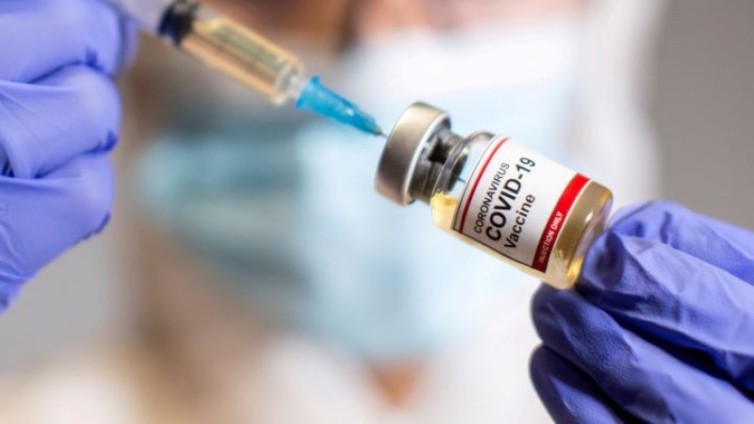
It was a joy to see significant development in the fight against Covid-19. A year after the pandemic has plagued the world, scientists have successfully produced vaccines.
The speed at which the Covid-19 vaccine was developed has triggered fear, paranoia among some people and does not instill confidence in others.
According to Dr Shirin Mazumder, an infectious disease specialist at Methodist University Hospital in Spain, Vaccine development, usually takes about 15 to 20 years to develop, that’s what’s normal. “Because of how quickly the Covid-19 vaccines have been developed, we don’t have long term data. Moderna and Pfizer have short term data, it’s only a couple of months…the long-term data is pending”, she further said.
In America, research shows that black people were highly affected by covid-19 than the whites but the least to take the vaccine.
Centre for Disease Control (CDC) new figures show that of those who have received at least the first dose of a vaccine, 5.4% are Black people, compared to 60% who are white people. According to recent Kaiser Family Foundation poll, about 35% of Black Americans said they don’t plan to get the vaccine, citing fears about safety and concerns about the vaccine.
In Africa, some leaders and prominent people are still sceptical about the vaccine. The Tanzanian president, John Magufuli, said, he doesn’t plan to order vaccines through COVAX – a global initiative aimed at equitable access to Covid-19 vaccines – or any other mechanism.
Kenya's health cabinet secretary, Mutahi Kagwein an interview with DW, said depending on the Western nations for our well-being as far as medical issues are concerned is foolish.
Most African citizens, especially Ghanaians are still hesitant to take the vaccine despite the vaccine campaign launch and education about the vaccine.
These mistrusts about the vaccine can be traced to how black people were treated unfairly in the Tuskegee experiment, the Henrietta Lack’s case and other many unfair treatment and medical racism against them in the past.
The Tuskegee Syphilis study began in1932, when the U.S. Public Health Service’s goal was to track and ascertain the extent of damage the syphilis disease does to the human body. Without informed consent, the study enrolled 600 Black men, including 399 who had syphilis, according to the CDC. The participants were tricked into believing they were receiving free medical care but were instead just observed for a study of untreated syphilis. Dozens died as a result, some went blind and others developed serious health issues.
Similar to Tuskegee’s study, Henrietta Lacks, who died in 1951 of cervical cancer, was also deceived in the name of the advancement of science. Henrietta Lacks’ cancer cells were used for medical research without her or her family’s knowledge, and without financial compensation.
These historical deceptions and other documented medical racism against black people have contributed to their hesitancy from taking the Covid-19 vaccine.
The flood of fake news circulating through the internet about the vaccine is a dominant contributing factor to the hesitancy. The claim of deaths, infertility, blindness and other acclaimed side effect of the vaccine is pushing people to develop cold feet.
Just as the experts will say, no vaccine is 100 per cent effective. It definitely has some side effects. However, the Covid-19 vaccine side effects are minimal, including headaches, mild fever, muscle soreness, fatigue. These are signs that the vaccine is working to stimulate your immune system. Both the Pfizer and Moderna vaccines are 95% effective and studies reported no serious or life-threatening side effects.
The more people are vaccinated, the more the virus is reduced and eliminated in the country.
Let’s get our facts right about the Covid-19 vaccine and do the needful and what is best for our country and the world.
****
The writer is an MA holder in communications at the Department of Communications University of Ghana
Latest Stories
-
Food Buffer Stock seeks stronger liquidity buffer despite record profit
4 minutes -
LPG investments key to achieving 50% access target by 2030 – Energy Minister
5 minutes -
Jinapor: New LPG terminal strengthens Ghana’s energy security
8 minutes -
Agbodza directs road agencies to fast-track design approvals to prevent project delays
11 minutes -
Housing Minister urges stakeholders to prioritise quality education in Banda District
17 minutes -
Government redeems pledge to complete abandoned projects – Kofi Buah
22 minutes -
Sam George calls for Black Stars disbandment, GFA dissolution after Gambia defeat
24 minutes -
Bunkpurugu MP urges action to curb network disruptions in Northern Ghana
25 minutes -
Education Minister calls for evidence-based response to learning crisis in West Africa
32 minutes -
NPA reaffirms regulatory support as Puma Energy deepens investment in LPG and CRM
35 minutes -
Ketu South NDC clears 73 aspirants for constituency elections
37 minutes -
We are with all flood victims – Hohoe MP
43 minutes -
Asharami Ghana commends NPA CEO Edudzi Tameklo for support towards LPG vessel arrival
49 minutes -
Finance Minister engages AGI, leaders ahead of 2027 Budget
55 minutes -
Enforce surcharges, modernise audits to curb GH¢100bn losses – Audit Service urged
1 hour