

Audio By Carbonatix
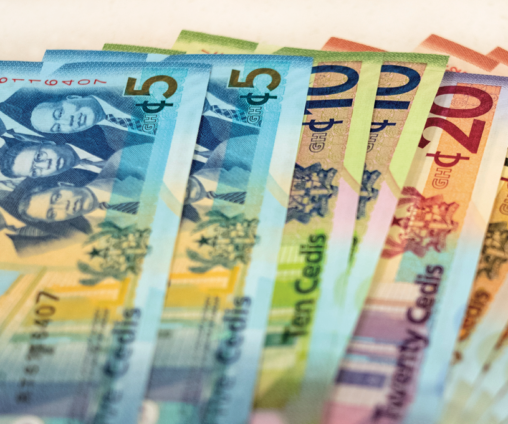
The cedi is expected to stabilise by the 4th quarter of this year, some currency analysts have told Joy Business.
This is due to the expected inflows of the ¢1.3 billion COCOBOD syndicated loan and the $750 million commercial loan approved by Parliament. The $750 million loan is expected to come in before the end of the 3rd quarter.
However, the government has been urged to accelerate negotiations with the International Monetary Fund for an economic programme since this is the surest way to reassure investors of stability in the Ghanaian economy.
Currency Analyst, Courage Martey told Joy Business, the government must do everything to get an economic programme approved by the Fund running.
“If you speak to investors on the market, both residents and non-residents investors, what they want to see is the setup and the take-off of the IMF programme because that is the only credible anchor they see at the moment. So our hope is that government will hasten the process and use all the powers at its disposal to negotiate favorable terms as quickly as possible with the IMF to establish a programme that will reassure investors.”
Furthermore, he noted that “what we hear from investors is that a lot of non-resident investors are not prepared to let go additional hard currency into the local [Ghanaian] economy in purchase of government debt, because they are not sure how the IMF would treat the government debt. And so if the situation is such that it will require debt restructuring, they do not want to lock new funds into a debt portfolio that will be restructured”.
The investors, he added, believe when they invest in government securities, the amount they could recover will be less the amount they invested. And so overall, this is keeping the needed foreign capital outside of the economy and thus affecting the local currency.
An analyst with Republic Bank who spoke on condition of anonymity was however confident the cedi’s current troubles will be over soon.
“It’s unfortunate the fiscal challenges is having an impact on the cedi, but am sure things will normalize soon once the government gets a clearance from the IMF to start an economic programme.”
Cedi troubles yet to be over, loses about 7% value to dollar in July alone
The cedi lost a little over 7% in value to the US dollar in the first month of the third quarter of 2022, taking the year-to-date depreciation to 20.5% on the interbank market.
This is due to the high demand for the American currency, coupled with other factors such as weak balance of payment position of the country and liquidating of investments in government bonds by some foreign invetsors.
The rising demand for the dollar which is about four-times that of supply is expected to push some prices of goods and services on the market up, due to imported inflation.
Latest Stories
-
Arteta calls for perspective as Arsenal look to avoid slump
5 minutes -
Kasoa Old Market traders given final eviction notice ahead of redevelopment
8 minutes -
GH¢15 sachet water price is a ceiling, not fixed – Producers clarify
12 minutes -
Morocco reports 7% rise in first-quarter tourist arrivals
15 minutes -
Calm returns to Adjen Kotoku Market following onion traders’ clash
15 minutes -
One dead, six in critical condition in Gomoa Fetteh accident
18 minutes -
GNFS responds to multi-vehicle crash at Ayi Mensah, urges caution
21 minutes -
Kaneshie footbridge closure raises safety concerns as pedestrians demand urgent repairs
24 minutes -
Clock ticks on Trump’s Iran ultimatum with little sign of breakthrough
26 minutes -
Be value creators for national development – KGL boss challenges private sector
32 minutes -
Bishop Asuamah urges hope, peace amid global and local conflicts
36 minutes -
Morocco stopped fewer illegal migration attempts in 2025 as route shifts
36 minutes -
Ahmed Ibrahim climaxes Easter with call for national sacrifice, fervent prayers
38 minutes -
NMC commits to reviving Media Advisory Committees
40 minutes -
Mahama’s administration unfriendly to cocoa, cashew farmers – NPP scribe
46 minutes