

Audio By Carbonatix
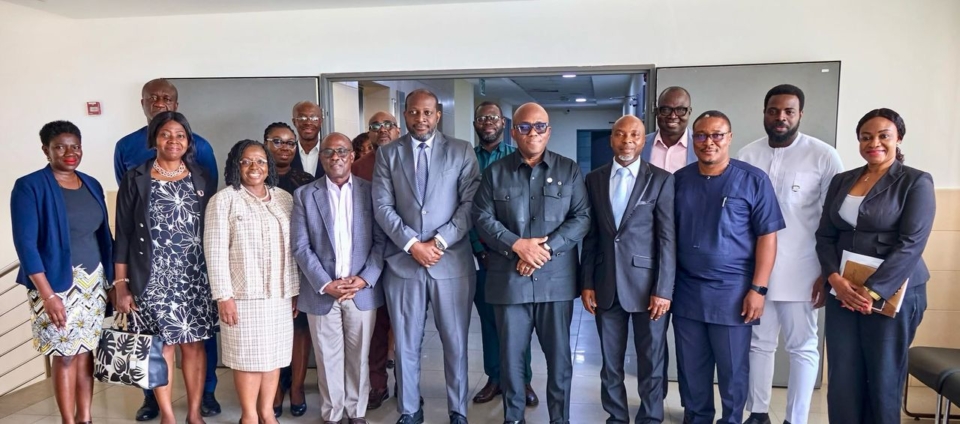
The Ghana Chamber of Private Medical Groups (Chamber of Health) has expressed its readiness to work with the National Health Insurance Authority (NHIA) to improve private healthcare delivery and strengthen Ghana’s health insurance system. The Chamber, led by its president, Dr Andre Kwasi Kumah, On Thursday paid a courtesy call on NHIA Chief Executive Officer, Mr Victor Asare Bampoe at the head office of the Authority in Accra.
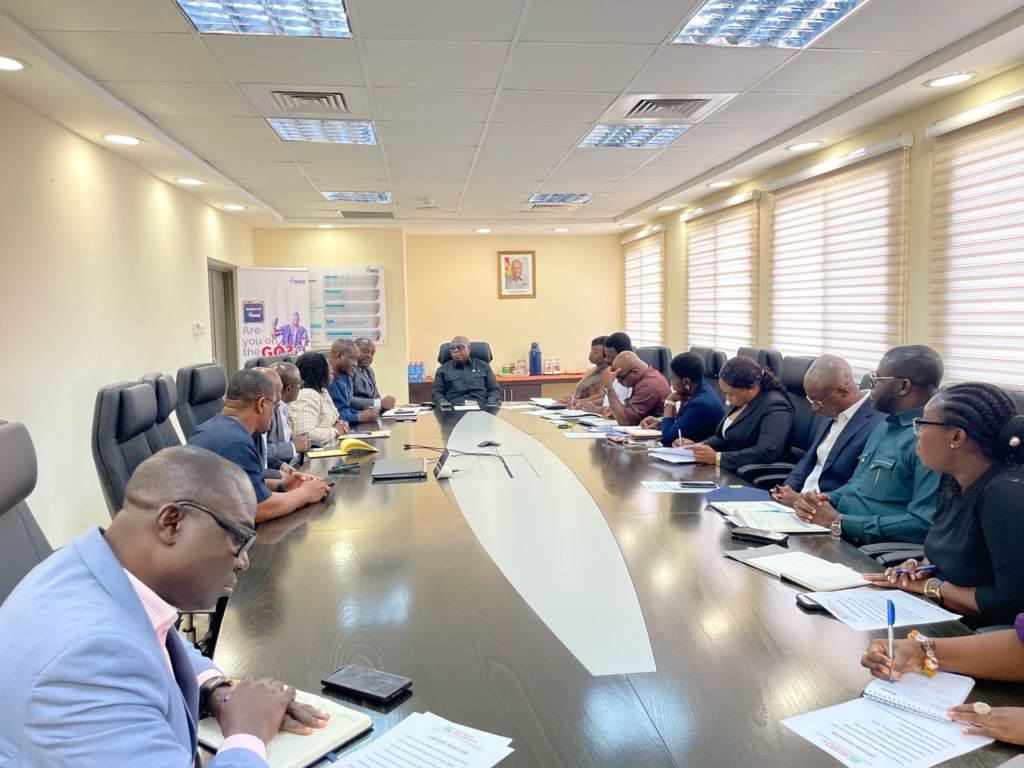
The meeting introduced the newly formed Chamber and provided an opportunity to discuss concerns affecting private healthcare providers. It also explored ways for the private sector to work more effectively with the NHIA.
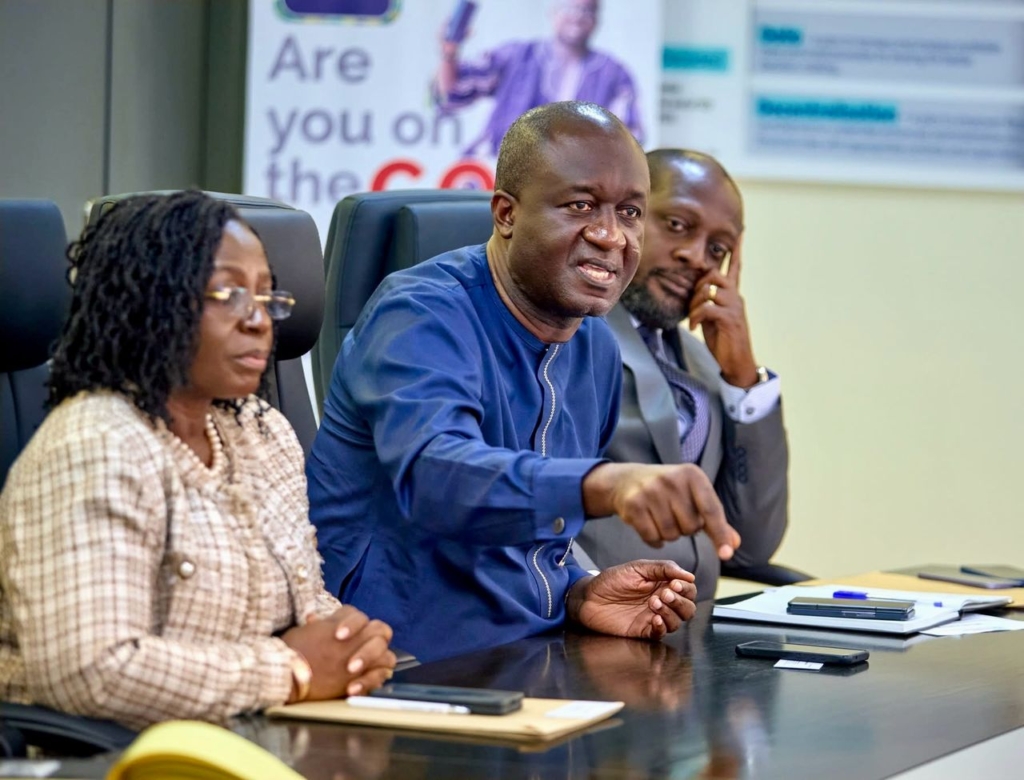
Dr Kumah explained that the organisation was created to unite private healthcare service providers and give them a stronger voice in engaging policymakers.
“When we assumed office two years ago, we realised the private health sector was fragmented, making it difficult to engage effectively with policymakers,” he said.
“At our AGM, we decided to bring all players in the private health sector together under one umbrella to strengthen our discussions with stakeholders.”
He welcomed the NHIA’s recent policy measures, including the uncapping of the National Health Insurance Levy (NHIL) and ongoing tariff reviews, expressing hope that these would lead to timely and adequate reimbursements for healthcare providers.
Private sector concerns The delegation raised several issues affecting private healthcare providers, including tariff reviews, payment delays, and the role of private facilities in national health initiatives.
Mr Charles Fordjour, a representative of the Healthcare Federation of Ghana and a member of the delegation said private health facilities play an important role in the country’s healthcare system. He noted that in many sub-Saharan African countries, private providers deliver over 60% of health services.
“We need to change the perception that healthcare solutions should only centre on the public sector,” he said.
“Private hospitals, pharmacies, and diagnostic centres are a major part of the system, and policies must reflect that reality.”
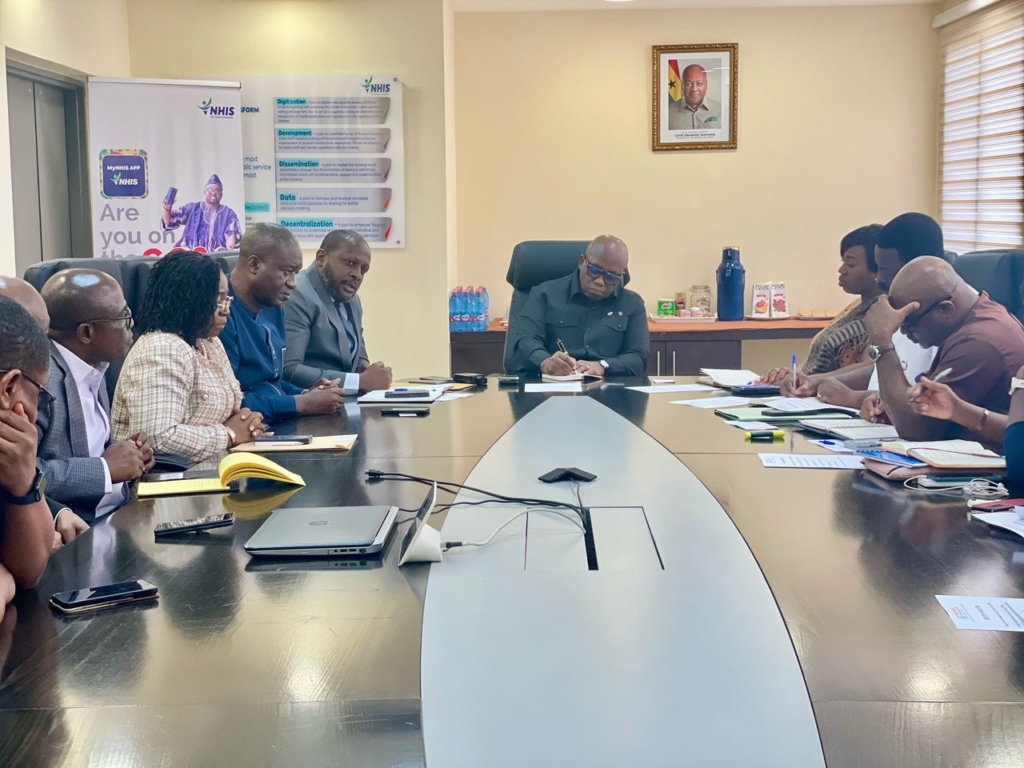
Dr Mrs Rebecca Acquaah-Arhin, another member of the delegation, called for fair tariff structures under the National Health Insurance Scheme (NHIS), arguing that private hospitals provide crucial services under the scheme and should be adequately supported.
“If NHIS is covering patients in private hospitals, then the tariffs must reflect the actual cost of service delivery,” she said. “We are not just running businesses; we are contributing to national healthcare.”
NHIA’s response NHIA Deputy CEO (Operations), Dr Senanu Kwesi Djokoto, acknowledged the role of private health facilities in expanding access to healthcare. While private providers operate as businesses, he noted that they also serve public health needs and should be included in national healthcare planning.
“For us to achieve universal health coverage, government and the private sector must work together,” he said.
“We recognise the role of private facilities, and ongoing discussions will help address challenges such as the fair distribution of health services and human resource allocation.”
Dr Bampoe welcomed the Chamber’s initiative and assured the delegation that the NHIA was open to engaging private healthcare providers.
He said the Authority was working to improve efficiency, transparency, and service delivery, particularly through technology-driven solutions.
“A major challenge for us is addressing illegal co-payments, which erode public confidence in the NHIS,” he explained.
“We recognise that this issue is tied to tariff levels and payment timelines, and we are working on solutions to address it.”
Mr Bampoe outlined the NHIA’s priorities, including improving claims processing, tackling illegal co-payments, and advancing the government’s plans for free primary healthcare and the Mahama Cares initiative, which deals with non-communicable diseases.
“We are working to ensure that NHIS payments are prompt and that tariffs are realistic,” he said.
“But beyond that, we must strengthen controls to eliminate illegal charges and build a system where basic healthcare is accessible to all,” he added.
The meeting ended with both parties agreeing to continue discussions to strengthen Ghana’s healthcare system.
Latest Stories
-
Iran Embassy in Ghana opens Book of condolence after death of Supreme leader in US-Israel attacks
2 hours -
GPL 2025/26: Vision FC cruise past Berekum Chelsea with emphatic 3–1 win
2 hours -
GPL 2025/26: Samartex held by Dreams FC as winless run extends to five
2 hours -
New Juaben North MP challenges gov’t to provide evidence of jobs created and cheap loans
3 hours -
Nadowli-Kaleo District marks 69th Independence Day with cultural exhibition, academic awards
3 hours -
Confusion, tension rock NPP polling station registration exercise in Tarkwa-Nsuaem
4 hours -
Burger King opens first Kumasi branch in Ahodwo
4 hours -
Burma Camp Tennis Club hosts successful 12th Ghana–Nigeria Independence Day Tennis Tournament
4 hours -
Rights, justice and action for all women and girls must include women and girls with disabilities
4 hours -
The Lover and the Fighter: China, the west, and Africa’s geopolitical awakening
5 hours -
UCC student dies in tragic road accident on campus
5 hours -
Health Ministry establishes committee to probe death of hit-and-run victim
5 hours -
RTI Commission, NACOC explore collaboration to promote transparency and accountability
5 hours -
Three dead as truck overturns near Asenema Waterfalls
6 hours -
Four Ghanaian UN peacekeepers recovering after Lebanon missile attack — Defence Ministry
6 hours