

Audio By Carbonatix
Umbrella body of insurance professionals in Ghana, the Chartered Insurance Institute of Ghana, is calling for a harmonised standards and regulations for insurance firms, as a means to optimise the full potential of the African Continental Free Trade Agreement (AfCFTA).
According to the institute, the varied capital requirement for member states under the pact could pose as hinderance to insurers’ ability to trade favourably.
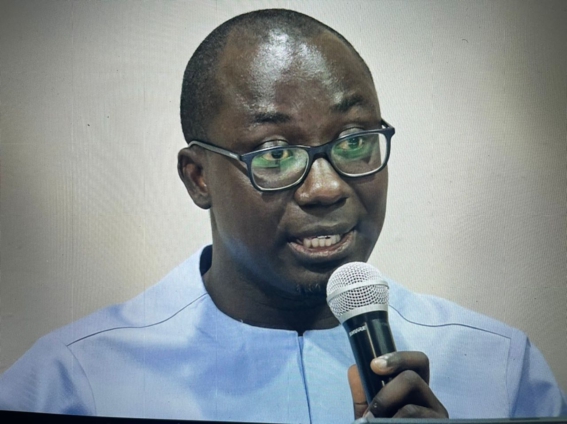
President of the CIIG, Tawiah Ben-Ahmed spoke at a seminar on AfCFTA, the Threats and Opportunities for the Ghanaian Insurance Industry.
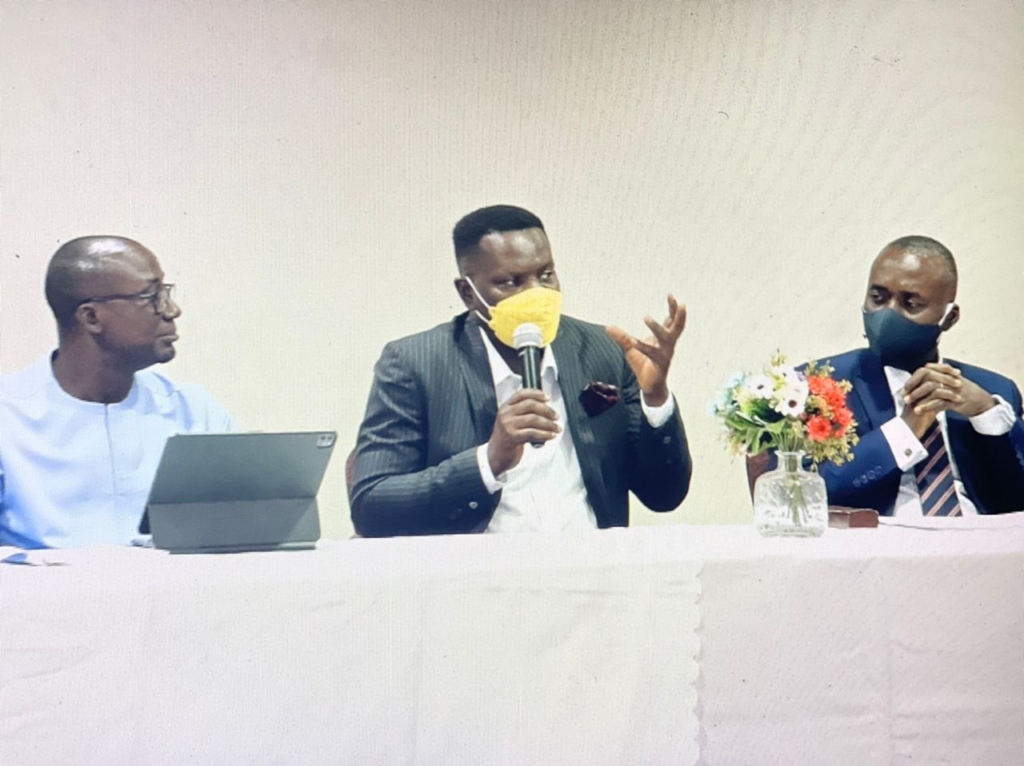
According to him, the insurance sector in Ghana and within the Anglophone West African countries at large, is fragmented.
“Ghana’s capital requirement is not the same of that of Nigeria. So removing the barriers, enabling free trade among countries in Africa also means that, to enable that, it is important that the laws and regulations are standardised and harmonized”, he said.
Boosting Intra-African Trade (BIAT)
Meanwhile, Group Executive Director of the AfCFTA Policy Network, Louis Yaw Afful who was the main speaker at the CIIG seminar indicated that all that is needed to boost Intra-African Trade cannot be realised without the insurance sector.
“In boosting Intra-African trade, there’s the need for infrastructure development which in BIAT talks about finance and trade-related infrastructure”, he said.
Mr. Afful added, “when the goods are produced, how are the goods going? We need infrastructure and these huge investors who want to take advantage, opportunity in AfCFTA, will like to invest and these investors need insurance packages for their activities under the pact.”
Underwriting capacity
On his part, Deputy Commissioner of Insurance at the National Insurance Commission (NIC), Michael Kofi Andoh, expressed worry about the average size of insurance companies expected to trade under the pact.
“The Ghanaian insurance industry is very small whereas that of Kenya makes income of more than US$1 billion annually. South Africa makes multiples of billions and we are just between 600 and 700 million dollars”, he pointed out.
Mr. Andoh added, “If you take the average size of our companies, they are not as big as you would find in Kenya and South Africa.
The Deputy Insurance Commissioner also raised concerns about multinationals linked to insurers in their countries.
According to him, there is the tendency for these multinationals to continue to have their original insurers underwrite their policies under the pact.
Latest Stories
-
The legal effect of the United Nations resolution declaring the Transatlantic Slave Trade the gravest crime against humanity
38 seconds -
KNUST boosts petroleum engineering output with largest MSc cohort
37 minutes -
NIB returns to profitability with over GH₵343M Profit After Tax – 2025 financial report
49 minutes -
Government to borrow GH¢15.231bn via T-bills, bonds between March and June 2026
1 hour -
UN resolution just the beginning – Mahama on adoption of slave trade declaration
1 hour -
UN adoption of resolution declaring transatlantic slave trade gravest crime historic – Mahama
2 hours -
“This is a proud moment for Ghana, Africa” – Mahama after UN slave trade resolution
2 hours -
New Town building collapse: Two dead, 14 rescued so far as mission intensifies
2 hours -
Prolonged Middle East conflict poses significant risk to economy – BoG
3 hours -
Kafui Dey suggests seat fillers to fix late TGMA start
3 hours -
World Bank, GCEA provide FIDIC contract management training in Accra
3 hours -
T-bills auction: Government records 20.1% undersubscription; interest rates continue to surge
3 hours -
Scientists from Ghana, Brazil and UK gather in Kumasi to tackle biodiversity crisis with technology
3 hours -
ECG announces power outages in Amasaman and Western Region for maintenance and cable fault repairs
3 hours -
Rescue efforts for trapped worshipers intensify in Accra New Town building collapse
4 hours