


Audio By Carbonatix
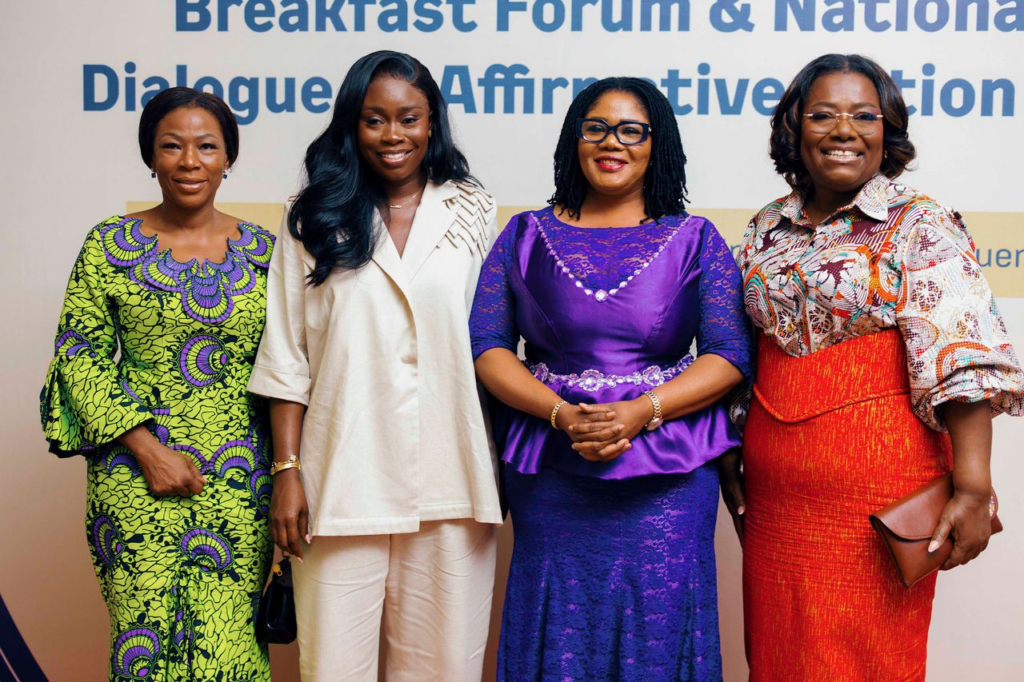
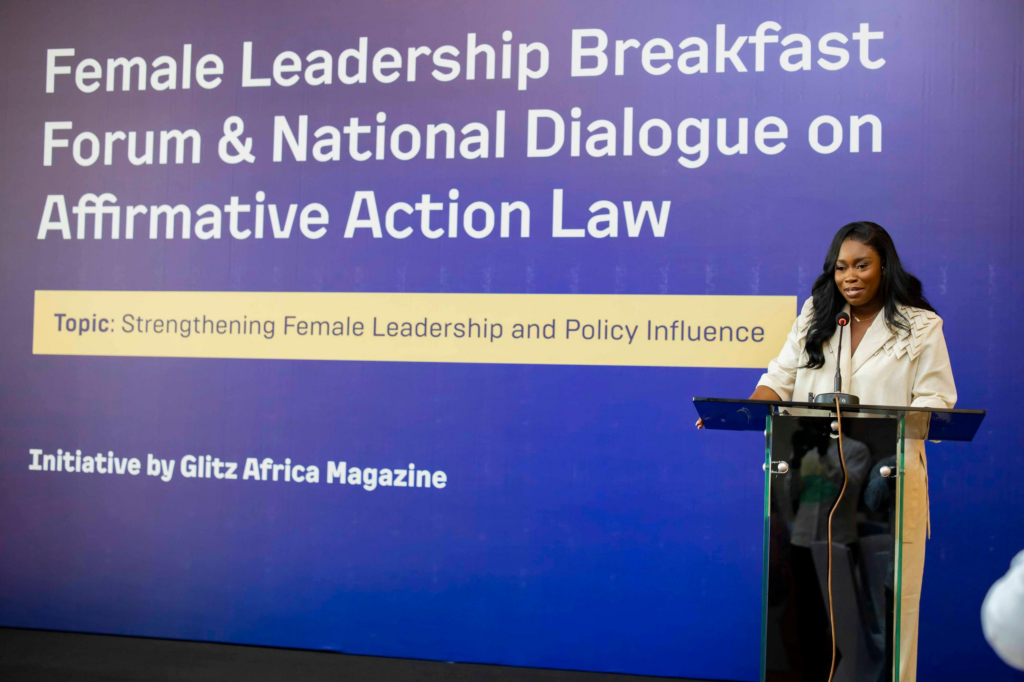
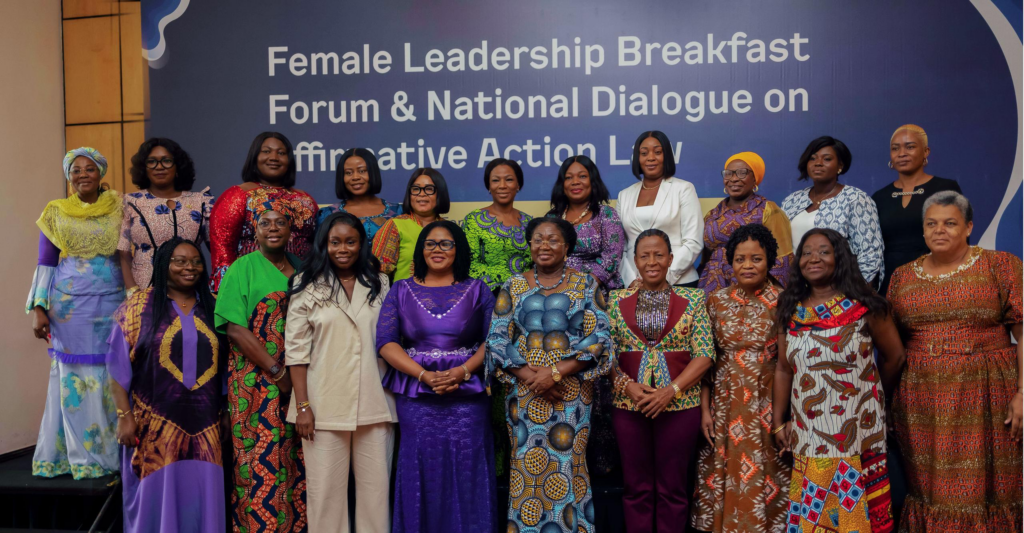
The Marriott Hotel in Accra on March 28, hosted the 2025 Women’s Leadership Breakfast Forum, convened by Claudia Kwarteng Lumor.
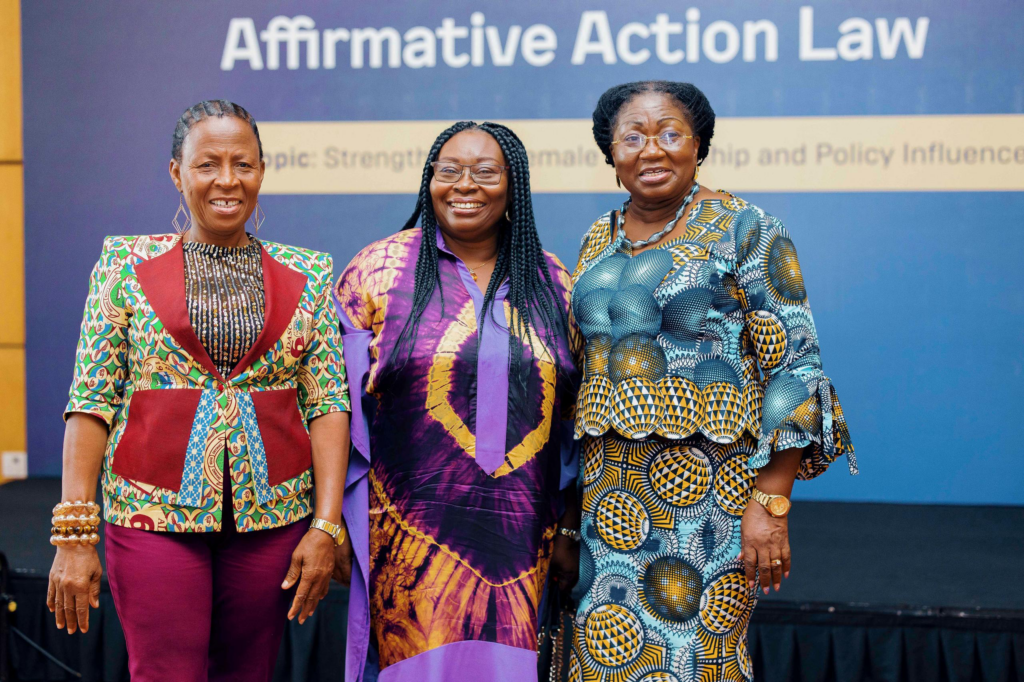
The event brought together female MPs, foreign ambassadors, and policy influencers to discuss the next steps following the passage of Ghana’s Affirmative Action Law.

The law sets ambitious targets—30% representation of women in decision-making by 2026, 35% by 2028, and 50% by 2030—but implementation remains the challenge. Claudia Kwarteng Lumor set the tone:
"How do we ensure that women are not just present in leadership spaces but are also empowered to drive transformative change?"
Nana Oye Bampoe, Ghana’s Deputy Chief of Staff, traced the law’s origins to 1996 when Gloria Ofori Boadu first proposed it. After nearly three decades of lobbying, setbacks, and negotiations, it is now law.
"Thirty-three years later, we now have an act. It’s a moment for celebration, but also a moment for accountability," Bampoe noted, highlighting the backlash women in leadership often face.
Ghana’s Minister for Gender, Children, and Social Protection, Dr. Agnes Naa Momo Lartey, reassured attendees of the government's commitment to enforcement.
A Gender Equity Committee will monitor compliance across ministries, departments, and agencies, with a legislative instrument in development to guide implementation.
However, enforcement often falters due to lack of funding, institutional resistance, and cultural pushback.
International representatives, including Harriet Thompson (British High Commissioner to Ghana) and H.E. Simone Giger (Swiss Ambassador), stressed the need for global partnerships in ensuring gender equity extends beyond politics into economic and social spaces.
Claudia Kwarteng Lumor closed the summit with a call to action:
"This dialogue must lead to action. We cannot afford to let this law remain words on paper. Together, we must build a Ghana where leadership reflects the true diversity of its people."
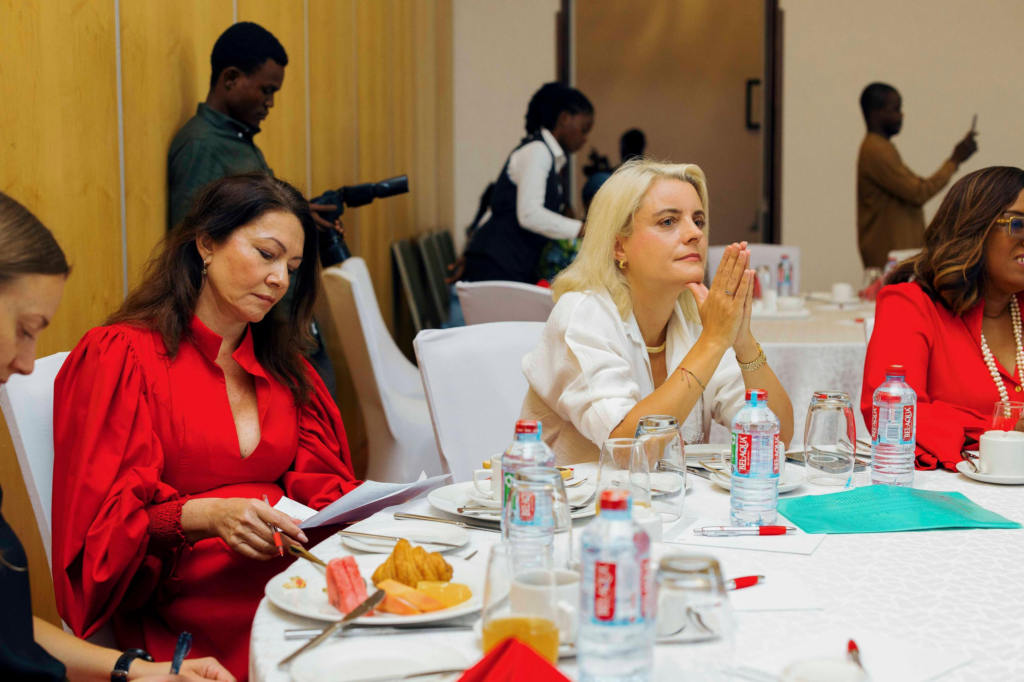
The 2025 Women’s Leadership Breakfast Forum was a crucial step, but the real test lies in moving from policy discussions to measurable impact.
Latest Stories
-
Health Ministry engages Ga Mantse ahead of Free Primary Healthcare launch
13 minutes -
We can tackle multiple priorities – Sam George defends Anti-LGBTQ Bill push
48 minutes -
Statement: Ghana Chamber of Mines’ Response to Claims in Joe Jackson’s “Ananse Stories about the Economy of Ghana”
49 minutes -
GES opens 2026 teacher recruitment for licensed B.Ed graduates
51 minutes -
Ghana must value skilled trades, build resilient learners — Ibn Chambas
60 minutes -
Ghana must rethink education around relevance, resilience and responsibility — Ibn Chambas
1 hour -
Prince Harry faces defamation lawsuit from charity he co-founded
1 hour -
South Korea deploys thermal cameras to track escaped zoo wolf
1 hour -
Calls for royal meeting with Epstein survivors grow ahead of US visit
1 hour -
Ibn Chambas advocates blend of technology and human values in education
1 hour -
UMA improves healthcare access in Asutifi North with GH₵700k ‘Kim Taylor Legacy’ Walkway
1 hour -
Scholarships Authority and Fanaka University offer sponsorship for procurement and supply chain studies
1 hour -
Bisa Kdei drops new single ‘Go N Look’ featuring Medikal
1 hour -
Benin facing rising terrorism in north as French military presence faces growing criticism
1 hour -
UEW Public Lecture Series 2026: Education debate ‘about the soul of Ghana’s future’ — Dr Ibn Chambas
1 hour