

Audio By Carbonatix
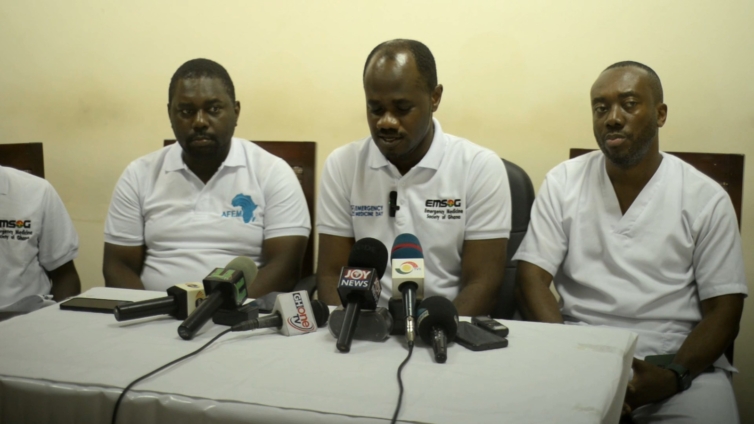
The Emergency Medicine Society of Ghana is warning of first-hand repercussions of climate change on health systems and communities in Ghana.
They say rising temperatures and erratic weather patterns are shifting disease patterns, intensifying the spread of infectious diseases and exacerbating existing medical conditions.
The altering of global climate is raising the heat in West Africa.
Under a high emissions scenario, the number of severely hot days per year is projected to increase to 140 days by 2060.
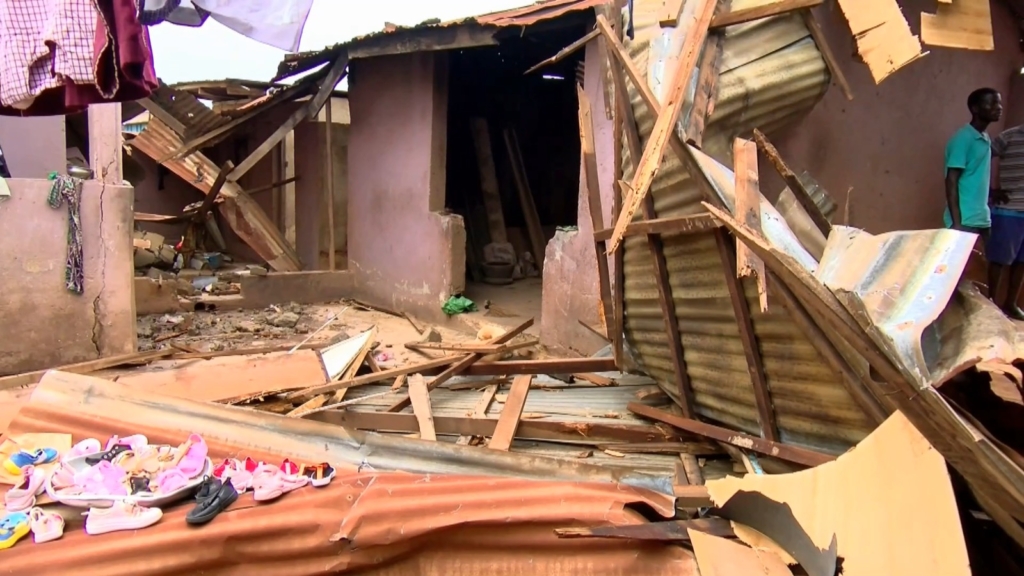
Many areas in Ghana are experiencing an uptick in climate-related disasters, including floods, storms, and wildfires.
While 45,000 Ghanaians are impacted by floods yearly, 13% of the country’s population is estimated to be affected by drought.
The impacts of climate change extend beyond direct health effects, permeating every facet of emergency medicine.
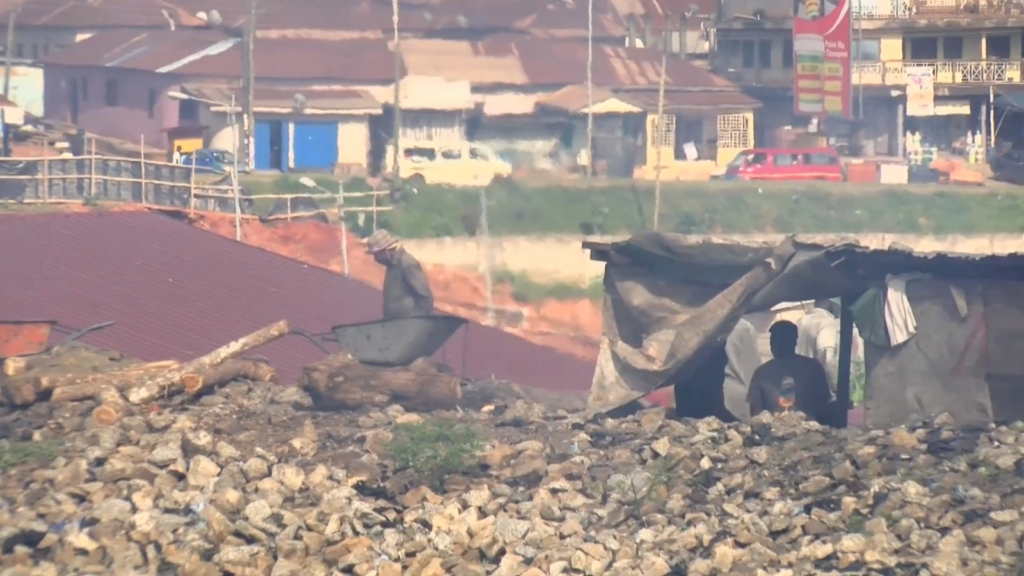
Heat waves, once rare occurrences, have become more frequent and intense, leading to heat-related illnesses and deaths.
Komfo Anokye Hospital's emergency medicine department, says the signs are already on the wall in Ghana.
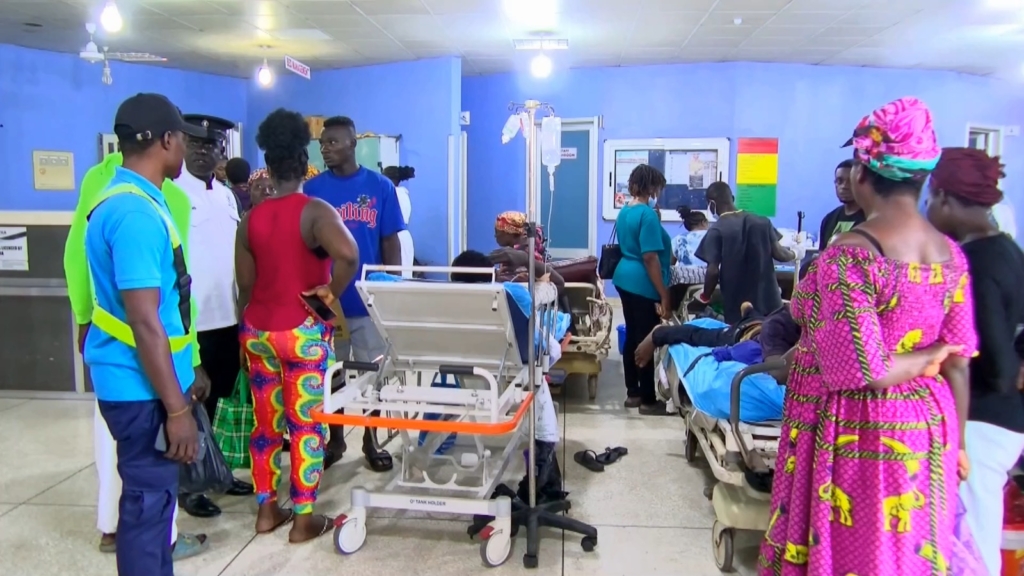
Deputy Chief Nursing Officer of the Emergency Medicine Department of the Komfo Anokye Teaching Hospital, Georgina Adamptey, speaking to JoyNews' Clinton Yeboah confirms the unit now receives overwhelming numbers of breathing complications due to the new weather.
“Many people come with respiratory tract infections and difficulty in breathing from dust inhalation. Because of the weather, a lot of patients have infections in the chest. They come with runny noses, and malaria increases due to wet areas. Our cases have been increasing as compared to previous times,” she said.
President of the Emergency Medicine Society of Ghana (EMSOG), Dr Daniel Osei-Kwame touched on the looming health dangers linked to climate change.
“Climate change acts as a catalyst for the spread of infectious diseases, such as malaria, dengue fever, and cholera, as shifting temperatures create favourable conditions for vector proliferation and pathogen transmission. In the face of these emergencies, the resilience of our emergency medical services is put to the test, highlighting the need for preparedness, adaptation, and collaboration,” he said.
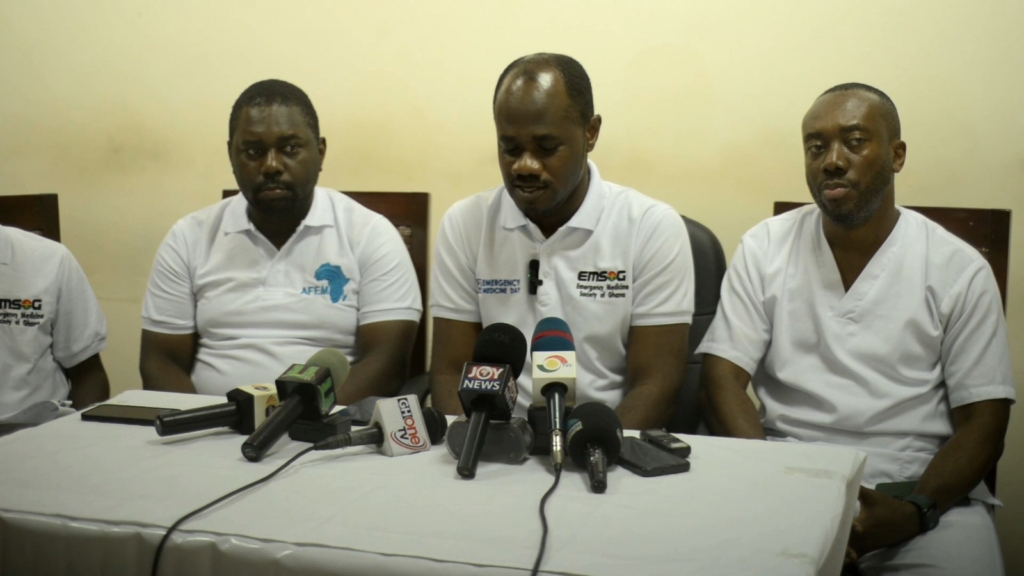
Medical experts are being advised to leverage their expertise, knowledge, and influence to mitigate the health impacts of climate change and foster sustainable solutions.
Dr Daniel Osei-Kwame says partnerships with policymakers, researchers, and community stakeholders will help develop evidence-based strategies and policies to safeguard public health.
“We [experts] are frontline responders, equipped with the skills and knowledge to treat patients affected by climate-related emergencies and to act swiftly and decisively, saving lives and alleviating suffering
“As emergency medicine professionals, we cannot afford to ignore the nexus between climate change and health. We must prioritize climate adaptation and disaster preparedness within our healthcare systems, investing in robust infrastructure, training, and capacity building.
“We must engage in interdisciplinary collaboration, forging partnerships with policymakers, researchers, and community stakeholders to develop evidence-based strategies and policies that safeguard public health in the face of climate change,” he said.
Latest Stories
-
I have supported highway authority financially to fix roads in my constituency – A Plus
45 minutes -
US, Iran fail to reach peace agreement after marathon talks in Pakistan
1 hour -
ECG kicks off Phase Two of transformer upgrades at Lashibi; brief outages expected
2 hours -
Port crises loom as 11,000 drivers threaten four-day strike
3 hours -
A source of excellence across generations – Vice President Opoku-Agyemang lauds Mfantsipim
3 hours -
(Photos) Mfantsipim School launches historic 150th anniversary
4 hours -
Knights and Ladies of Marshall group backs Catholic Bishops’ stance on anti-LGBTQ+
5 hours -
Bright Simons writes: All the Filla in the Ibrahim Mahama/E&P – Gold Fields Saga
5 hours -
Monetise Idiocy In Ghana
5 hours -
The Ghanaian prophet and the mysterious death of his scottish wife Charmain Speirs
6 hours -
Nearly 400 sentenced in Nigeria for links to militant Islamists
6 hours -
Ghana’s recovery supported by gold strength despite global oil price pressures – Standard Bank Research
6 hours -
Methodist Church hails Mfantsipim@150; calls for “fresh consecration” to excellence
7 hours -
‘Excellence is our inheritance’ – Nana Sam Brew-Butler hails Mfantsipim’s 150-year reign in leadership
7 hours -
Kwaku Azar writes: A-G vs OSP
7 hours