

Audio By Carbonatix
The Chief Public Affairs, Communication and Sustainability Officer of Coca-Cola Beverages Africa (CCBA), Tshidi Ramogase says the company focuses its sustainability strategy on people and driving resilient, sustainable solutions to address current and future challenges while creating positive change for the planet.
He said water is a priority for the Coca-Cola system. “The Coca-Cola Company’s 2030 Water Security Strategy focuses on increasing water security.
"We work with partners to provide access to a steady supply of clean water for people and ecosystems in the areas where we operate and source ingredients,” Ramogase stated.
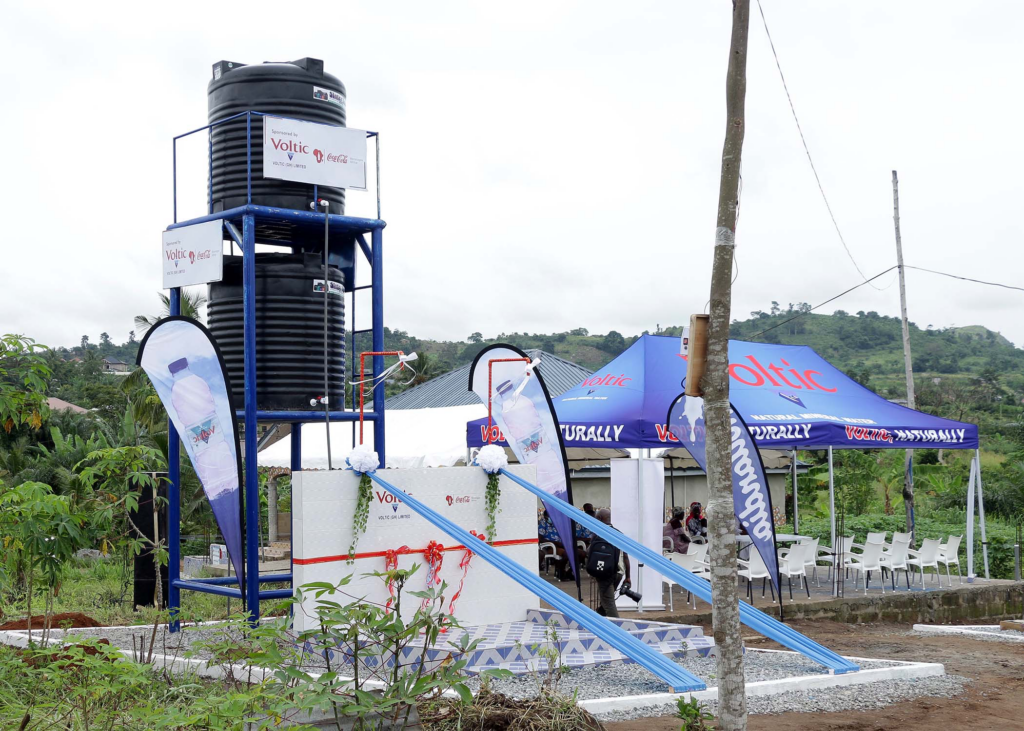
“We do that by contributing toward sustainable, clean water access that improves livelihoods and wellbeing while protecting against water-related disasters.”
In Kenya, CCBA opened a new wastewater treatment plant at the Equator Bottlers plant in Kisumu, promoting more sustainable water use and reducing the factory’s environmental impact.
“The new plant will enable us to treat and recycle wastewater generated from the production facility, which will be used for non-potable purposes such as irrigation and cleaning,” said Ramogase.
In Botswana, CCBA's subsidiary signed an agreement with the Botswana University of Agriculture and Natural Resources to donate water from its new water treatment plant for agricultural irrigation.
“The new state-of-the-art water treatment plant has made the company fully effluent compliant by ensuring that clean water is returned to the environment,” Ramogase noted.
For packaging, CCBA drives a circular economy to reduce waste and carbon emissions.
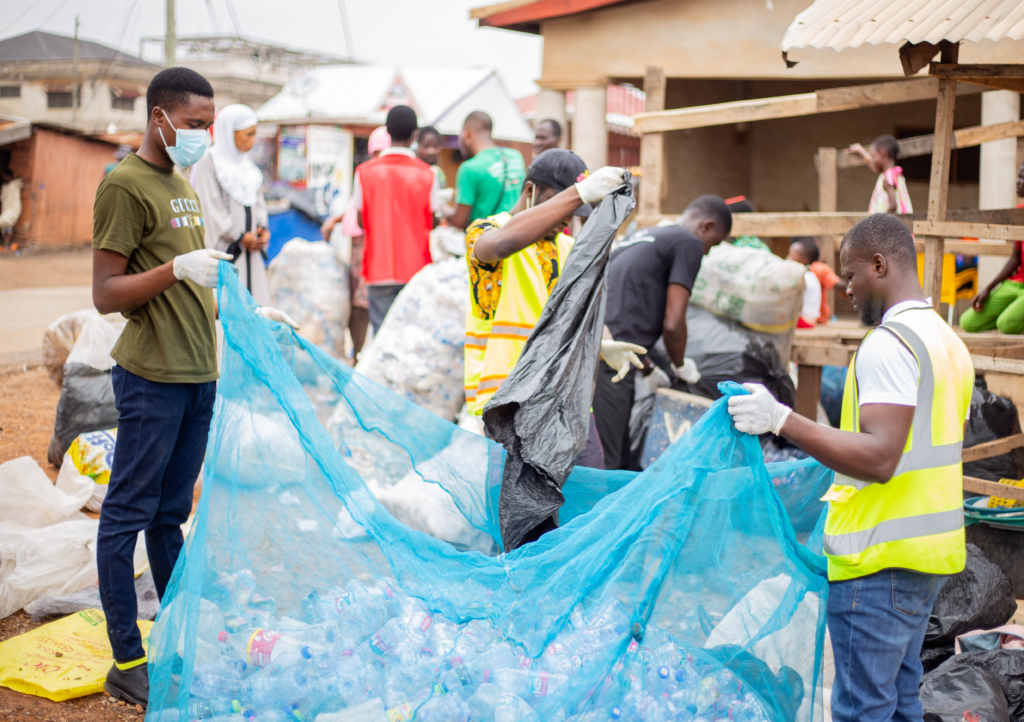
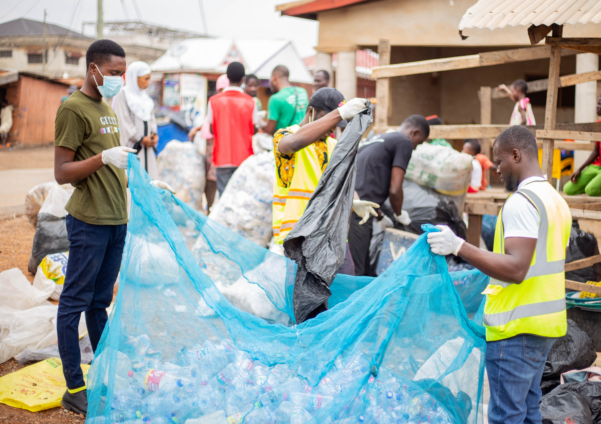
“We’re working to use more recycled content in our packaging, to expand our use of refillable bottles, and to collect packaging for recycling through Coca-Cola’s World Without Waste initiative. We also partner to design new packaging solutions,” Ramogase explained.
An example of these efforts is the PET Recycling Company (PETCO) in South Africa, established in 2004 to promote and regulate the recycling of PET plastic.
“The PETCO model has proven so effective it has been extended to three other markets, Kenya, Tanzania, and Ethiopia, with plans to include additional countries like Namibia,” Ramogase said.
“We are committed to fostering partnerships that drive collective impact in areas including water stewardship, packaging circularity, climate action, and many more. Feedback from our stakeholders allows us to learn and improve, and informs our business and sustainability strategy,” Ramogase concluded.
Latest Stories
-
Ablakwa receives Presidential Special Envoy on Reparations to advance global agenda
11 minutes -
Christina Koch becomes first woman to travel around the moon on Artemis II
22 minutes -
Epstein survivors’ calls to meet King Charles and Queen harder to ignore as US visit approaches
28 minutes -
UN Secretary-General names Ghana’s Anita Kiki Gbeho as South Sudan envoy
30 minutes -
Mali withdraws recognition of Sahrawi Republic, backs Morocco’s autonomy plan
34 minutes -
Gov’t distributes over 8,500 laptops to One Million Coders project
35 minutes -
Julius Debrah, ‘man to beat’ as NDC’s James Agbey dismisses Musah Dankwah’s polls
41 minutes -
GPRTU in Savannah Region to protest alleged eviction in Damongo
1 hour -
Re: Reinsurance does not replace process — A response to the SIGA–SIC defence
1 hour -
Gender Ministry supports Harriet Amuzu in ongoing abuse case
2 hours -
AG joins plaintiff to scrap OSP ?: We should be mindful of the mischief in this – Bobby Banson
2 hours -
Samson Lardy Anyenini questions willingness of Attorneys-General to prosecute political colleagues
2 hours -
It is only fair the OSP is heard in Supreme Court case – Bobby Banson
2 hours -
Asiedu Nketia resumes Ashanti tour, second leg kicks off on Sunday
2 hours -
NLA denies salary cut claims, threatens legal action over reports
2 hours